

Faculty Perspective: Dr. Mi-Hyeon-Jang – New Neurons, Lasting Memory – Lessons from SuperAgers
Commentary by: Mi-Hyeon Jang, PhD Department of Neurosurgery Rutgers Brain Health Institute
The recent study in Nature revealing sustained hippocampal neurogenesis in SuperAgers and its sharp decline in Alzheimer’s disease marks a meaningful advance in regenerative neuroscience and our understanding of cognitive resilience in aging. In this commentary, Dr. Mi-Hyeon Jang provides her perspective on this work, highlighting the persistence of adult neurogenesis, its dynamic regulation across cognitive states, and the exciting therapeutic potential for preserving memory function. Dr. Jang is a Professor in the Department of Neurosurgery at Rutgers New Jersey Medical School and a core member of the Rutgers Brain Health Institute.
Introduction: The Remarkable Resilience of SuperAgers
Remarkably, some individuals in their 80s retain memory abilities comparable to those decades younger, suggesting that powerful mechanisms of resilience exist in the aging brain. A groundbreaking study published in Nature now provides important clues.
Using comprehensive multiomic single-cell sequencing of hippocampal tissue from young adults with intact memory, cognitively normal aged individuals, aged adults with exceptional memory capacity (“SuperAgers”), and individuals with Alzheimer’s disease (AD), the researchers offer an unprecedented insight into how neurogenesis persists, changes, and may contribute to maintaining cognitive function across the human lifespan.
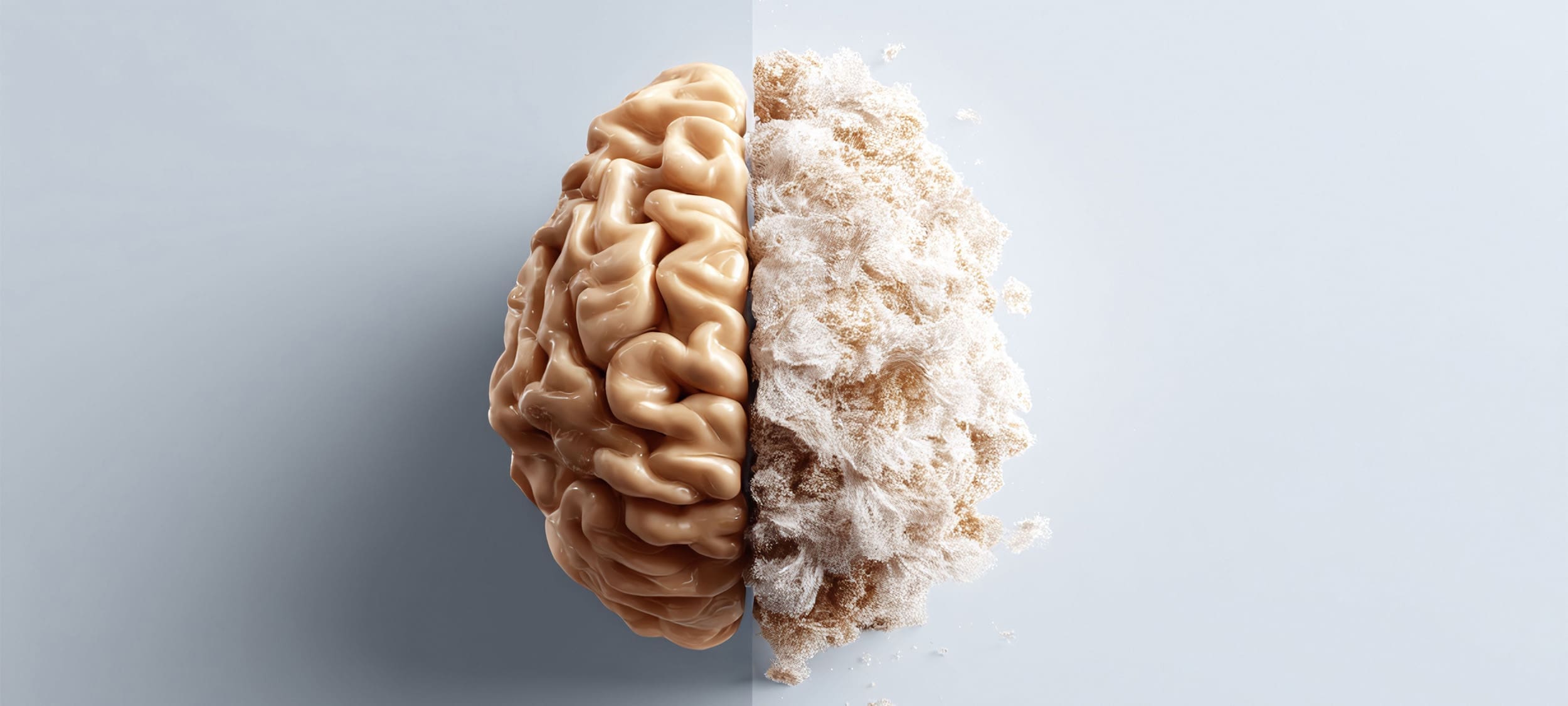
A central question emerging from this work is: what is the “secret recipe” that allows SuperAgers to maintain such remarkable memory into their 80s? This study points to a striking ingredient: sustained hippocampal neurogenesis. While the generation of new neurons typically declines with age, SuperAgers exhibit nearly twice the level of neurogenesis observed in cognitively normal older adults. In striking contrast, individuals with AD show a near-complete loss of this process. Notably, reductions in neurogenesis are already evident at preclinical stages, indicating that disruption of this regenerative capacity is an early event in disease progression. Together, these findings provide strong evidence that neurogenesis not only persists in healthy adult humans but is dynamically regulated across cognitive states.
Importantly, the study goes beyond cell numbers to reveal underlying molecular mechanisms. Newly generated neurons display distinct epigenetic landscapes depending on cognitive status, highlighting changes in chromatin accessibility and transcriptional regulation. Such epigenetic alterations emerge early in preclinical AD and become more pronounced with disease progression, suggesting that dysregulation of neurogenesis is driven, at least in part, by changes in gene regulatory programs. In contrast, SuperAgers maintain a favorable epigenetic profile—a “resilience signature”—that supports neuronal maturation and plasticity. These results position neurogenesis as a biologically meaningful process linked to both cognitive decline and resilience.
Bridging Animal Models and Human Reality
This study bridges a longstanding gap between animal and human research. While decades of rodent studies have established a role for neurogenesis in learning and memory, its relevance in humans has remained uncertain. Here, compelling evidence shows that neurogenesis persists in the adult human hippocampus and is closely linked to cognitive trajectories, thereby validating and extending insights from animal models.
Clinical Hope: Windows for Intervention and Prevention
The clinical implications are substantial. The identification of early epigenetic disruptions in neurogenic cells suggests a potential window for intervention before cognitive symptoms emerge. Strategies that support neurogenesis—through lifestyle factors such as physical activity and cognitive engagement, or through therapies targeting epigenetic and inflammatory pathways—may help preserve memory and delay AD progression. Although causality remains to be established, these findings provide a strong rationale for targeting the brain’s regenerative capacity.
Equally important, the SuperAger profile offers a powerful message of hope: cognitive decline is not inevitable. Some individuals maintain robust neurogenic and molecular programs that support memory well into advanced age, underscoring that resilience—not just vulnerability—shapes brain aging.
Future Directions
With causal links between neurogenesis and cognition increasingly established, the focus now shifts toward translation and mechanism. Key priorities include identifying modifiable upstream regulators of neurogenesis, such as immune, metabolic, and vascular factors, and defining the core epigenetic and transcriptional programs that sustain this process. Equally important is the development of reliable, non-invasive biomarkers to monitor neurogenesis in living individuals and enable early intervention. Finally, translating resilience-associated features observed in SuperAgers into actionable strategies—whether lifestyle-based or therapeutic—will be essential for preserving cognitive function during aging.
This faculty perspective aligns with ongoing regenerative neurobiology and brain aging research across Rutgers laboratories, including the Jang laboratory’s work on adult hippocampal neurogenesis and its role in cognitive resilience (Kim et al., 2025), the Jiang laboratory on human iPSC-based and chimeric brain models of neural development and aging (Jin et al., 2026; Papetti et al., 2025), and the Levison laboratory on neural stem cell regulation and regenerative mechanisms (Chidambaram et al., 2022).
References
- Disouky A, Sanborn MA, Sabitha KR, et al. Human hippocampal neurogenesis in adulthood, ageing and Alzheimer’s disease. Nature. 2026. https://www.nature.com/articles/s41586-026-10169-4
- CNN Health. Scientists discover a key to staying mentally sharp in old age. February 25, 2026. https://www.cnn.com/2026/02/25/health/superagers-brain-plasticity-neurogenesis-wellness
- Kim HG, Rashid MA, Poleschuk M, et al. Cognitive dysfunction in chemobrain: Molecular mechanisms and therapeutic implications. Biomedicine & Pharmacotherapy. 2025;192:118581.
- Jin M, Ma Z, Zhang H, et al. Chimeric human-mouse brain models demonstrate that NRXN‑NLGN3, SPP1, and PTN‑MK pathways mediate human neuron‑glia communication. Cell Reports. 2026;45(1):116794.
- Papetti AV, Jin M, Ma Z, Stillitano AC, Jiang P. Chimeric brain models: Unlocking insights into human neural development, aging, diseases, and cell therapies. Neuron. 2025.
- Chidambaram S, et al. Subventricular zone adult mouse neural stem cells require insulin receptor for self‑renewal. Stem Cell Reports. 2022;17(6):1135–1153.
- Mi-Hyeon Jang, PhD – Neurological Surgery
