

Empowering Women’s Brain Health Across the Lifespan

Brain Health Institute launches the Rutgers Women’s Brain Health Initiative (RWBHI)
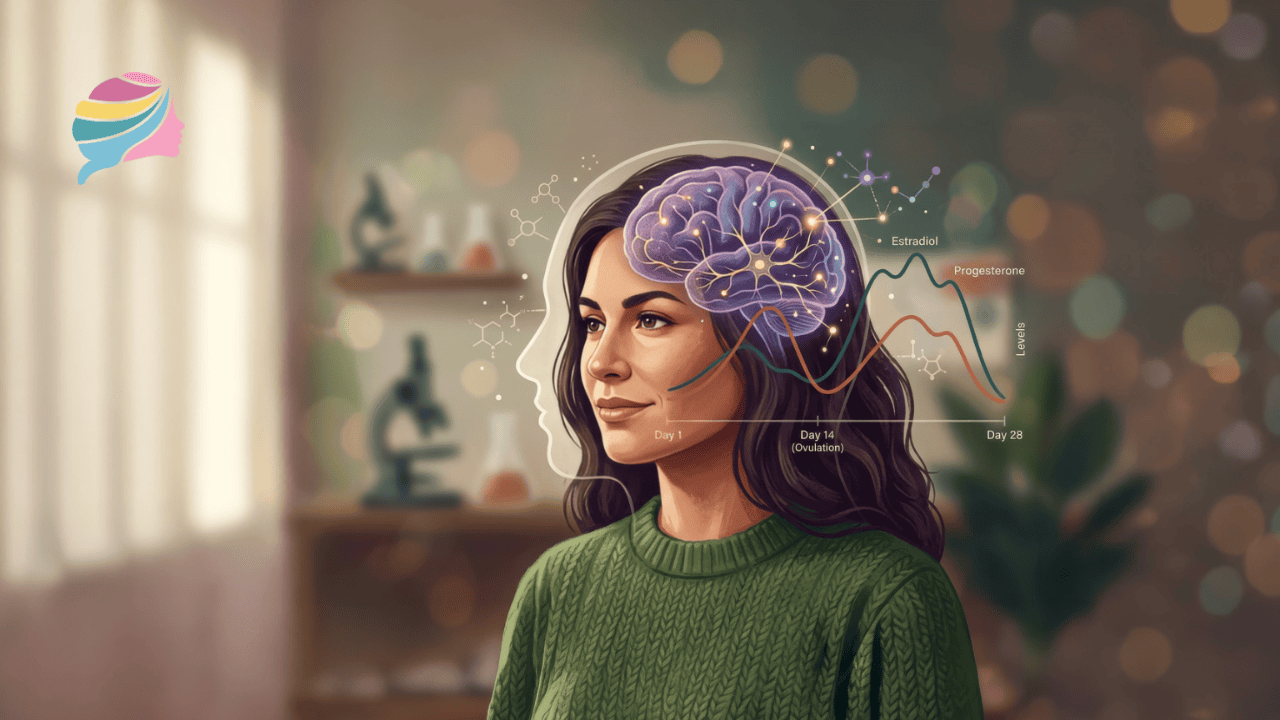
Women experience unique biological transitions — puberty, pregnancy, motherhood, menopause, and aging — which impact their brain health. For decades, medical research and clinical trials routinely failed to include females. As a result, major gaps in our understanding of women’s brain health are only now beginning to be addressed. The Rutgers Women’s Brain Health Initiative (RWBHI) will work toward closing this knowledge gap by supporting research that directly addresses women’s brain health and providing research-backed information to the public.
The RWBHI is a new effort of the Rutgers Brain Health Institute (BHI). The BHI overall supports new research into brain dysfunctions across multiple domains, including neurodevelopment, neurodegeneration, cognitive/sensory and substance use disorders. The BHI is one of the world’s largest and most comprehensive brain research organizations; the breadth of the BHI affords unique opportunities to create novel cross disciplinary approaches to solve problems of women’s brain health.
We encourage you to join the RWBHI at Rutgers to help chart a new era in women’s brain health. As part of the initiative, we will-
- Feature Rutgers faculty who are conducting research to understand the female brain.
- Host world renowned speakers who are leading the effort to advance women’s brain health research.
- Provide research-vetted tool kits and resources to support women’s brain health.
Save the date! Next year, May 26, 2027, Rutgers BHI will host a day-long symposium focused on the female brain research and women’s brain health.
Which area of women’s brain health matters most to you? Vote in our poll and share your thoughts.
Why Women’s Brain Health Matters
To state the obvious, women make up half the world’s population and live longer than men. However, women carry more disease burden as many neurological and mental health disorders are more prevalent in women. For example, women are more likely to develop- Alzheimer’s disease, depression, migraine, anxiety disorders, post-traumatic stress disorders, eating disorders and chronic pain conditions. Remarkably, women show more resiliency to certain conditions such as stroke, traumatic brain injury and Parkinson’s disease. Understanding the biological basis for women’s vulnerability and resiliency to brain disease would benefit all.
Understanding. Empowering. Thriving.
The Rutgers Women’s Brain Health Initiative is dedicated to addressing the knowledge gap in women’s brain health by showcasing research on brain health problems that prominently affect women. This research will include basic cellular/animal studies as well as studies in human patients that experience corresponding brain health challenges. We aim to also deliver clear, trustworthy, and research-vetted actionable information that will directly benefit women and their families.
Our goals are simple:
- Support Research: Support cutting edge research to find solutions to the vexing brain health issues that afflict women.
- Bridge the Gap: Translate and deliver novel research information on women brain health throughout the lifespan from the lab to the community.
- Empower Decisions: Equip women with the research-backed knowledge they need to make informed proactive choices about their brain health.
- Drive Awareness: Spark meaningful conversations about how extraordinary transitions in female biology impact brain health.
Featuring the research programs of Jenny Wilkerson and Anna Konova at Rutgers
As part of the RWBHI, we are excited to spotlight two BHI faculty members whose complementary research programs are advancing our understanding of pain and addiction, conditions that disproportionately affect women.
Understanding the Biology to Develop Novel Pain Therapeutics for Women
Dr. Jenny Wilkerson, Assistant Professor of Anesthesiology at Rutgers New Jersey Medical School, integrates behavioral neuroscience and pharmacological methods in her research to advance drug development for pathological pain and substance use disorders, focusing on biological differences between males and females.

How hormones may influence addiction in women
Dr. Anna Konova, Associate Professor of Psychiatry at Rutgers Robert Wood Johnson Medical School, and co-Director of the Center for Computational Cognitive Neuropsychiatry in BHI, leads the Addiction & Decision Neuroscience Laboratory. A cognitive neuroscientist by training, Dr. Konova has built a research program focused on the computational and neural basis of motivation, decision-making, and addiction. Her lab uses advanced neuroimaging, computational modeling, and real-world behavioral assessments to identify risk and resilience factors in addiction escalation, recovery, and treatment.

A Physician’s Perspective on Treating Women with Pain and Addiction
To complement our spotlight on the research of Dr. Jenny Wilkerson and Dr. Anna Konova, we asked Dr. Alopi Patel, MD, Associate Professor of Anesthesiology and Perioperative Medicine at Rutgers Robert Wood Johnson Medical School, to share what she sees in her clinical practice with female patients. Dr. Patel is a double board-certified anesthesiologist and interventional pain specialist who is also certified in lifestyle medicine. She co-hosts The Hurt Podcast by The Female Pain Docs. Dr. Patel brings a patient‑centered lens to understanding women’s pain and addiction‑related challenges.




BHI Toolkits
Leading RWBHI
Dr. Ioana Carcea, MD, PhD will be leading the RWBHI. Ioana is an Associate Professor at the Rutgers Brain Health Institute and New Jersey Medical School, where she leads a laboratory using systems neuroscience approaches to investigate the relationship between social behavior, health, and physiology. Her research focuses on how biological states influence social behaviors, including maternal behavior, and how social experiences, in turn, shape health and brain function.

“Women’s physiology poses unique challenges to brain function and behavior. Across puberty, pregnancy, and menopause, the female brain undergoes extraordinary biological transitions that shape vulnerability and resilience to mental and neurological disorders,” said Dr. Carcea. “Now we have the tools, the knowledge, and the will to understand how the female brain navigates multiple profound transitions across the lifespan. I am excited for the Rutgers WBHI to be at the forefront of this emerging area of research.”
Support the Rutgers Women’s Brain Health Initiative
The Rutgers Women’s Brain Health Initiative (RWBHI) is dedicated to addressing the knowledge gap in women’s brain health by showcasing research on brain health problems that prominently affect women. We aim to deliver clear, trustworthy, and research-vetted actionable information that will directly benefit women and their families.
