

BHI Plenary Seminar: Dr. Robert W. Gereau on Translational Pain Research
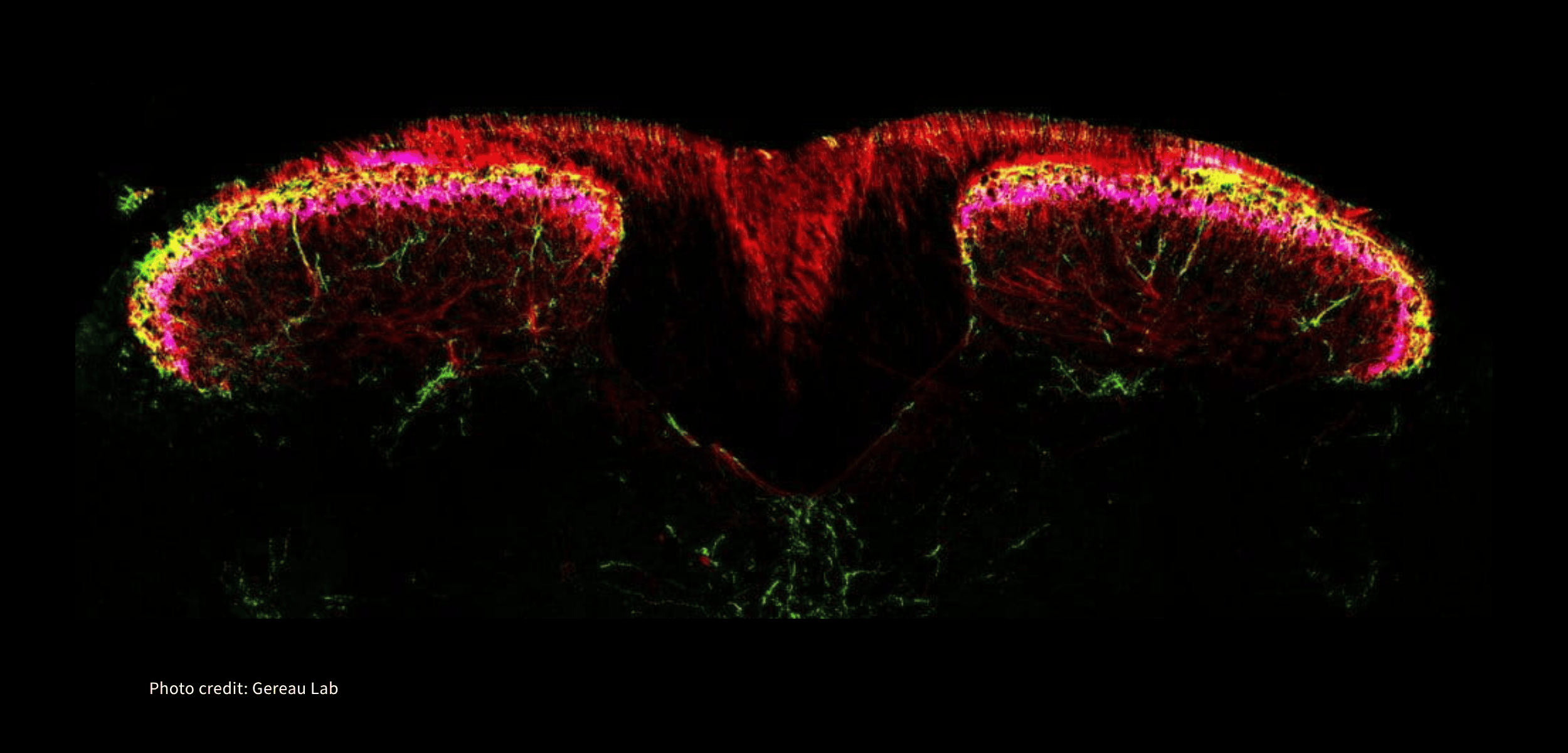
The Rutgers Brain Health Institute (BHI) is delighted to welcome Dr. Robert W. Gereau IV, Ph.D., Vice Chair for Research in the Department of Anesthesiology, Director of the Washington University Pain Center, and the Dr. Seymour and Rose T. Brown Professor of Anesthesiology and Neuroscience at Washington University School of Medicine in St. Louis. Dr. Gereau will deliver a plenary seminar titled “Rethinking translational pain research: Studies of human tissues for identification and validation of therapeutic targets” on May 7, 2026, at 12:00 PM in the Medical Science Building, Room B-610, New Jersey Medical School (hybrid format; join via Zoom). The seminar is hosted by Drs. Yuanxiang Tao and Huijun Hu of the Department of Anesthesiology at Rutgers New Jersey Medical School.
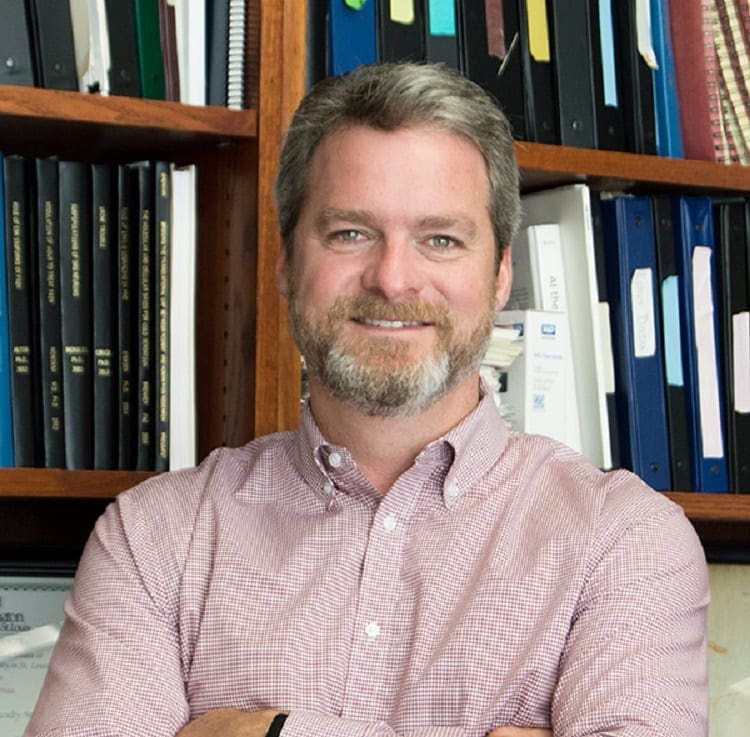
Robert W. Gereau IV, PhD
Dr. Gereau’s career reflects a deep and sustained commitment to uncovering the circuit, cellular, and molecular mechanisms of pain sensitization and developing novel, non-addictive analgesics. He received his B.S. in Biology from Missouri State University in 1991 (Summa Cum Laude) and his Ph.D. in Neuroscience from Emory University in 1995. Following postdoctoral training at the Salk Institute, he rose through the ranks at Baylor College of Medicine before joining Washington University in 2004, where he has held leadership roles including Chief of Basic Research and Vice Chair for Research in Anesthesiology.
His laboratory integrates behavioral pharmacology, patch-clamp electrophysiology, optogenetics, in vivo imaging, and advanced molecular and genetic tools to study the signaling pathways underlying nervous system plasticity and chronic pain. A major emphasis of his work is the use of human dorsal root ganglion (DRG) tissues to validate findings and help ensure that discoveries translate more effectively to patients. By combining these approaches, Dr. Gereau’s team seeks to identify new therapeutic targets and accelerate the development of safer analgesics that avoid the risks of addiction.
Dr. Gereau has expressed particular enthusiasm about visiting Rutgers, noting that he has several friends and colleagues he has come to know over the course of his career who have landed here. “It is always wonderful to visit people in their new academic homes and see the impact they are having,” he shared.
Talk Title: “Rethinking translational pain research: Studies of human tissues for identification and validation of therapeutic targets”
His research is especially relevant to ongoing and future studies at Rutgers. Pain faculty are eager to build collaborations with Dr. Gereau’s lab, particularly through access to human DRGs. Dr. Yuan-Xiang Tao and Dr. Huijun Hu, who invited the speaker, emphasized that Dr. Gereau is a world-renowned investigator whose current focus on human tissues in pain research is highly interesting and valuable to the Rutgers community. The seminar is expected to offer trainees and faculty important insights into incorporating human tissues effectively into pain studies.
Beyond his scientific contributions, Dr. Gereau is a pioneer in pain neurobiology and a leader in the commercialization of neurotechnologies, including co-founding NeuroLux, Inc. to advance wireless optogenetic tools. He is also a deeply dedicated mentor and the founder and Executive Director of the Anesthesiology Summer Research (ASSURE) program. Launched in 2021, ASSURE provides mentored research opportunities for local college students who might not otherwise have access to such experiences at Washington University School of Medicine. Dr. Gereau views mentorship as his most important responsibility — believing that the primary success of his lab lies in the young scientists he helps train and develop as researchers and individuals. He provides guidance not only on scientific careers but also on character and integrity. This commitment is reflected in his many honors, including the Landis Award for Outstanding Mentorship from NINDS, and in the dozens of Ph.D. students, postdocs, and clinician-scientists he has trained who now lead independent research programs.
His many honors also include the Frederick W.L. Kerr Basic Science Research Award from the American Pain Society, plenary lectures at the IASP World Congress on Pain, election as an AAAS Fellow, and recent recognition as a 2026 USASP Fellow and recipient of the Ray Dingledine Award. He has served on the Boards of Directors of the American Pain Society and USASP, chaired NIH study sections, and contributed to national pain research strategy efforts. His group has maintained continuous NIH funding, including multiple HEAL Initiative grants.
Dr. Gereau has published extensively in top-tier journals such as Nature, Neuron, Science Advances, Journal of Neuroscience, and Pain. His seminal work spans metabotropic glutamate receptors, ERK signaling, peripheral sensitization, and human sensory neuron physiology. His current efforts focus on leveraging human tissues to identify and validate therapeutic targets—including peripherally restricted CB1 agonists and innovative neuromodulation strategies—while addressing key challenges in translating findings from animal models to humans.
Rutgers Brain Health Institute Plenary Seminar Series
The Rutgers Brain Health Institute (BHI), through its plenary seminar series and interdisciplinary initiatives, fosters collaborations that drive discoveries in pain, neurodegeneration, and related disorders, empowering the next generation of researchers to translate insights into transformative therapies. Explore our mission and ongoing projects.
