

Herbert and Jacqueline Krieger Klein Alzheimer’s Research Center 2026 Symposium Recap
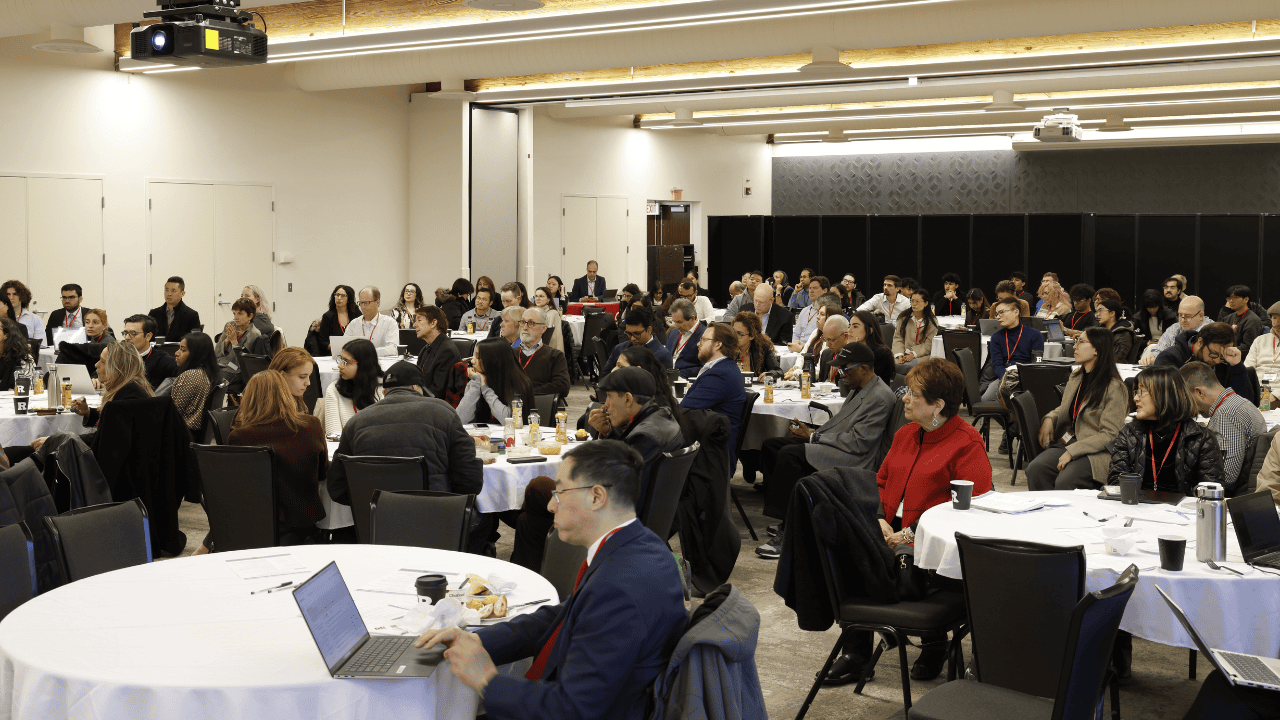
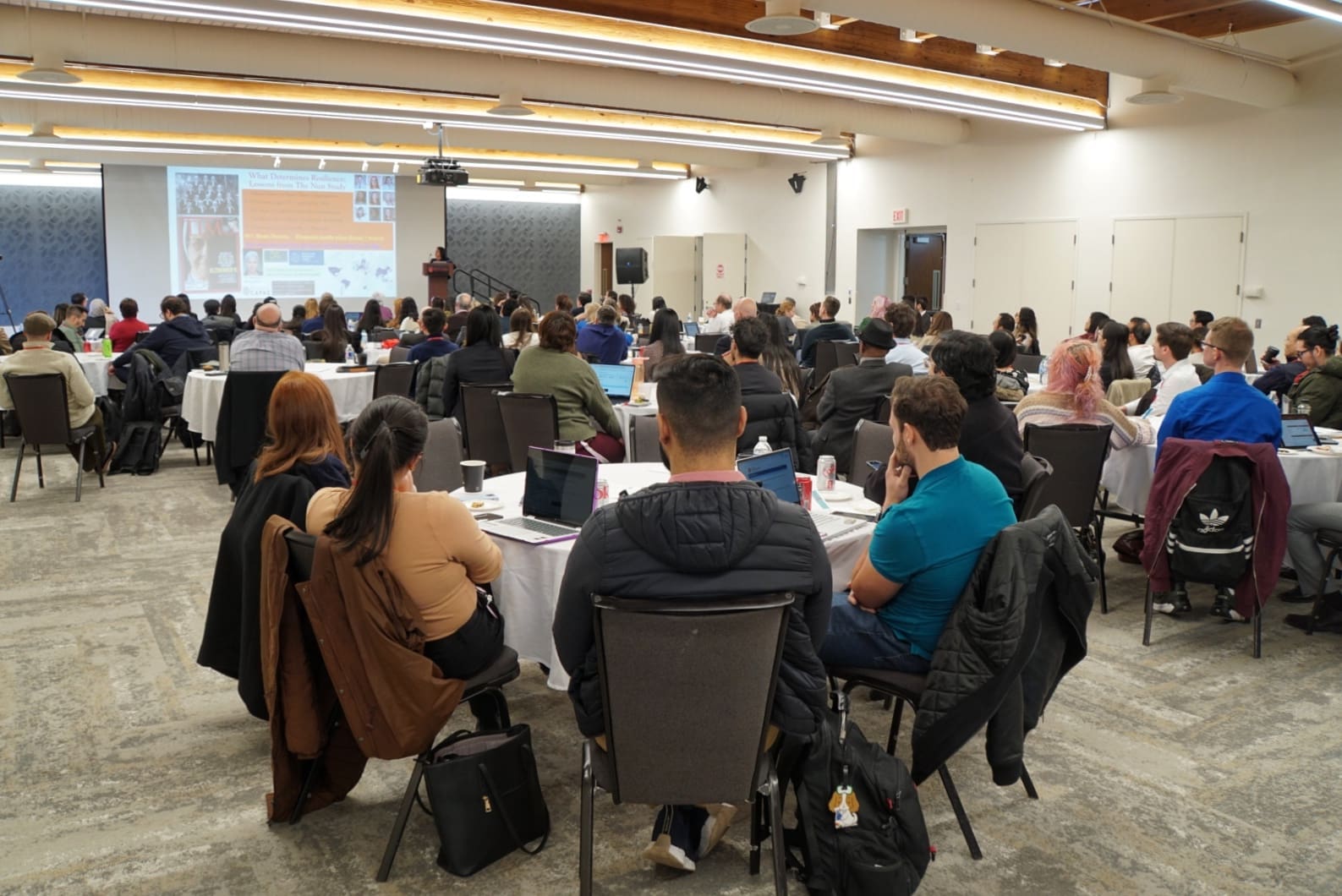
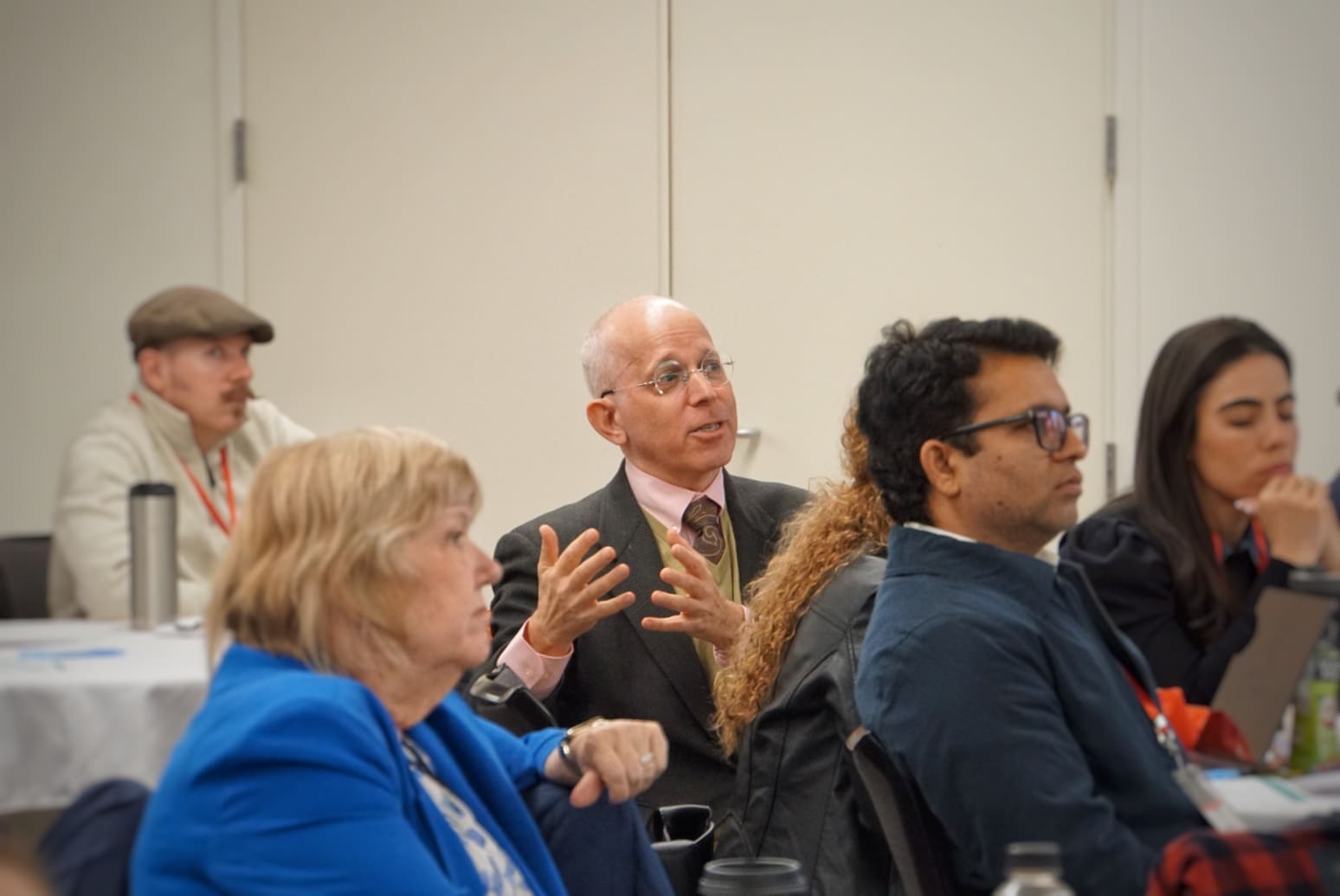
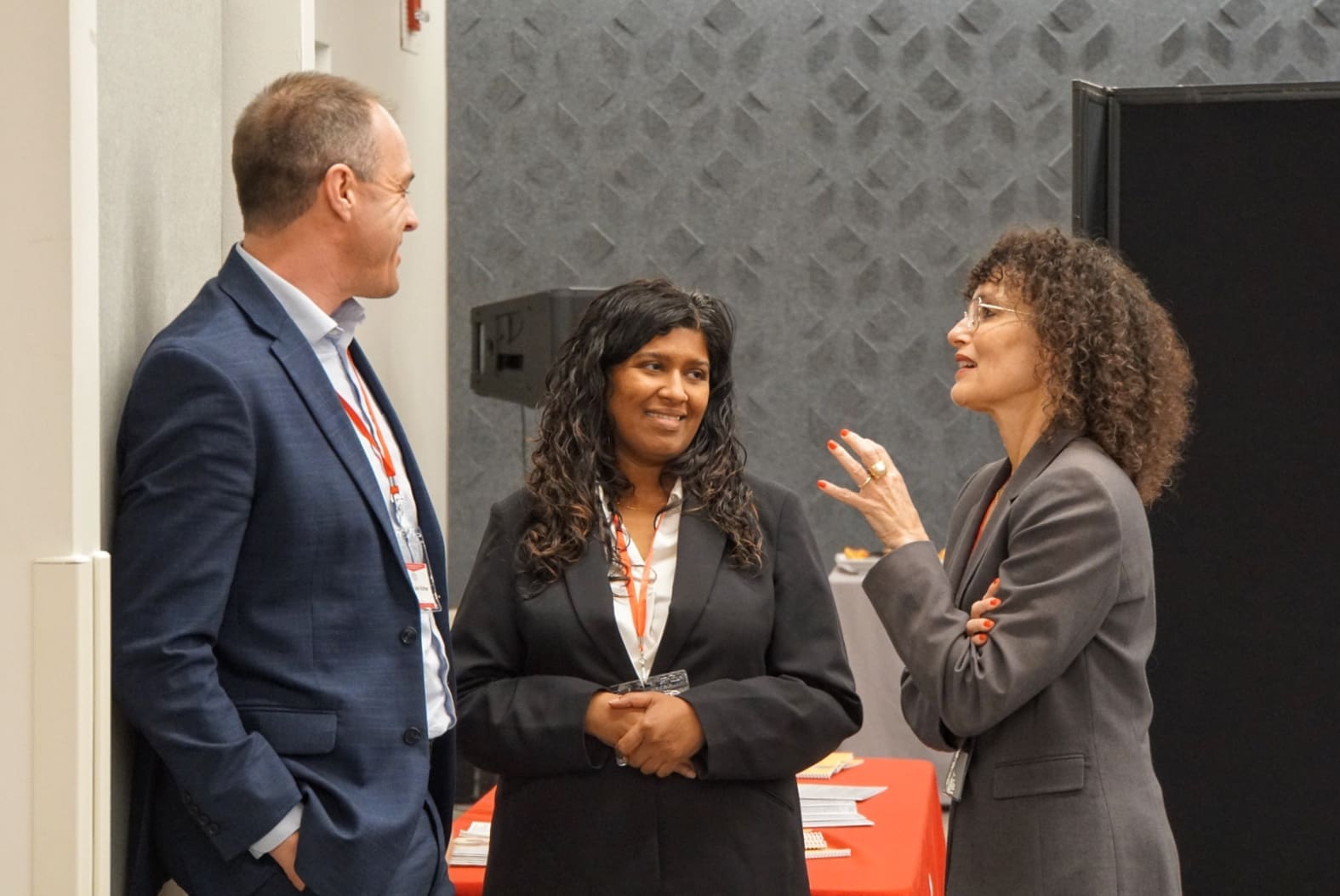
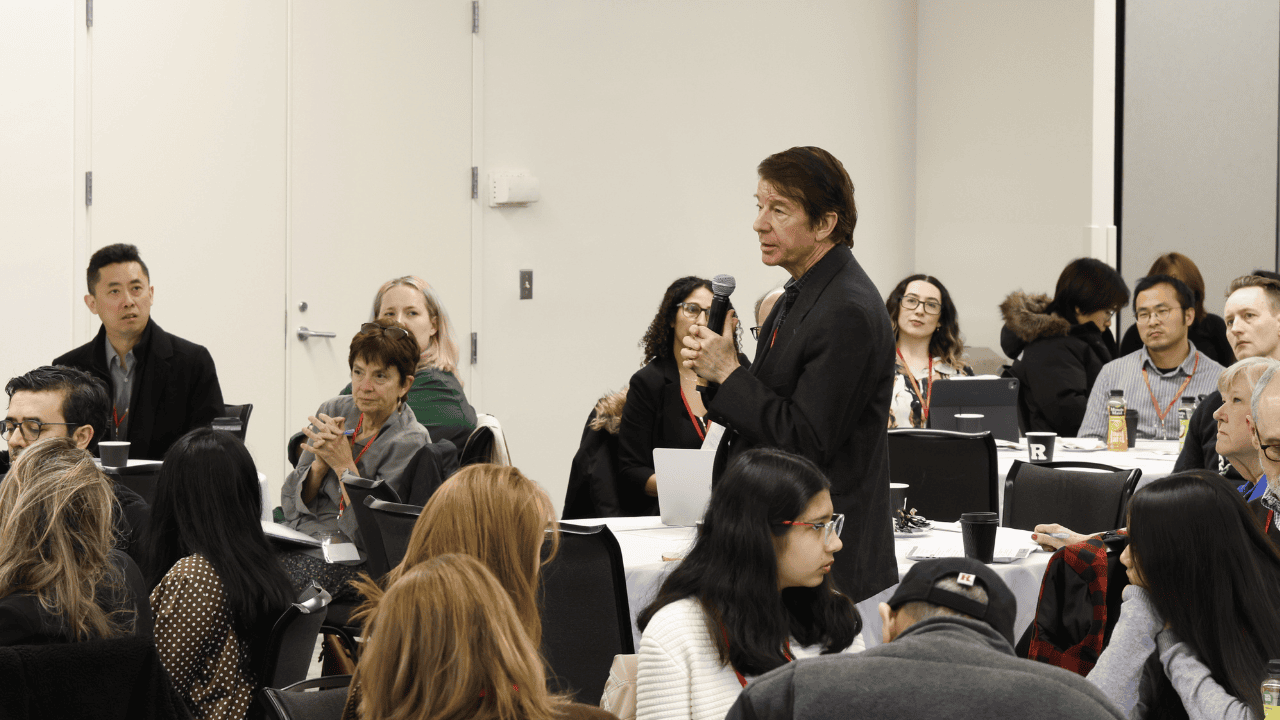
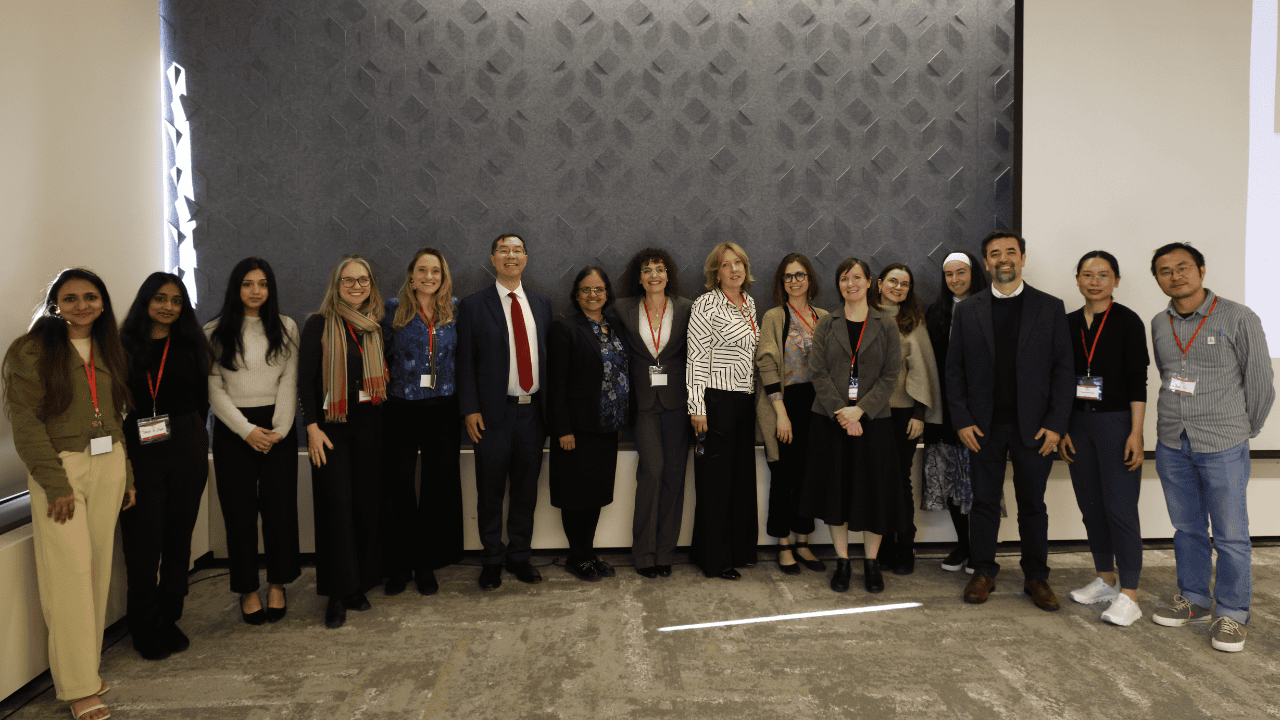
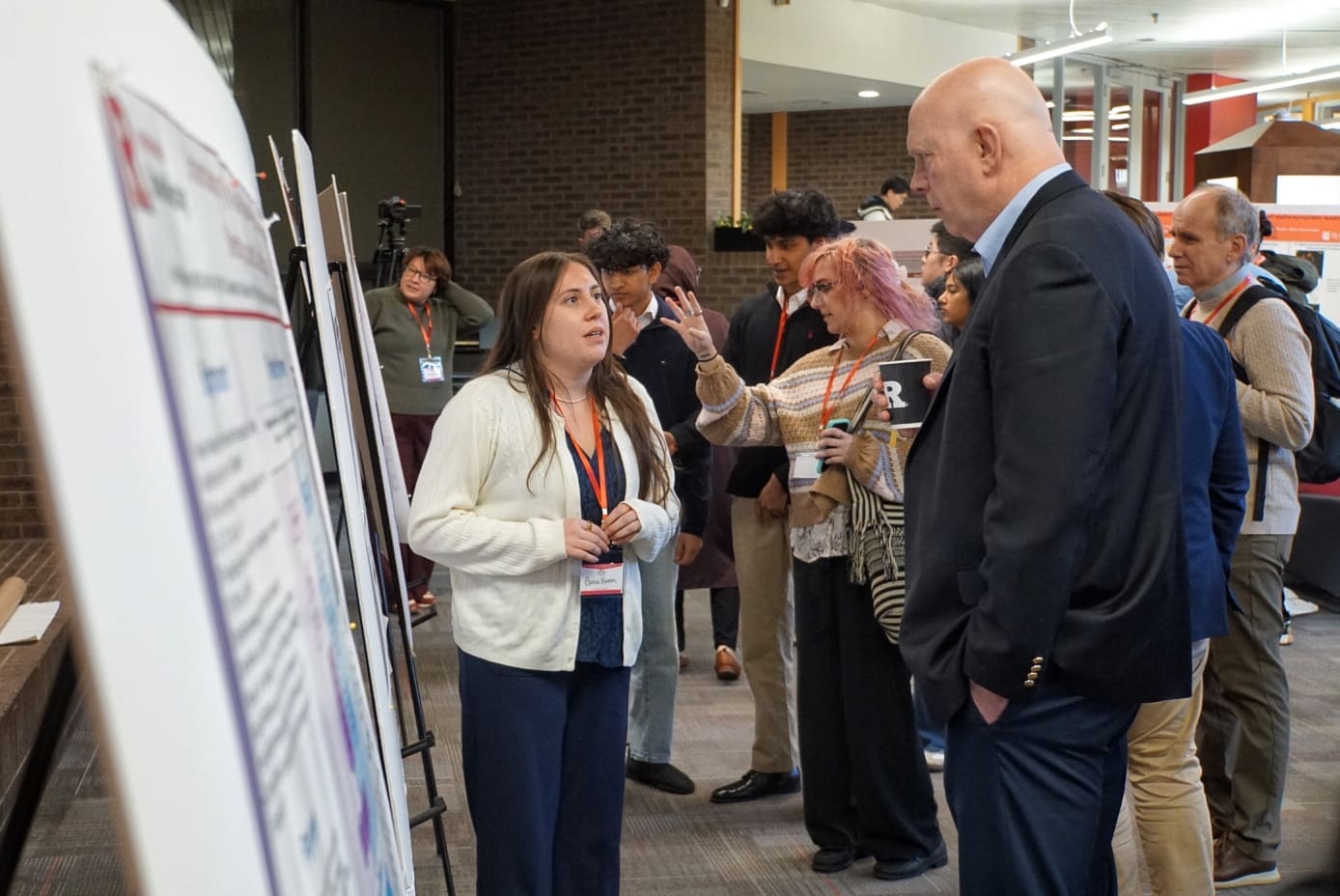
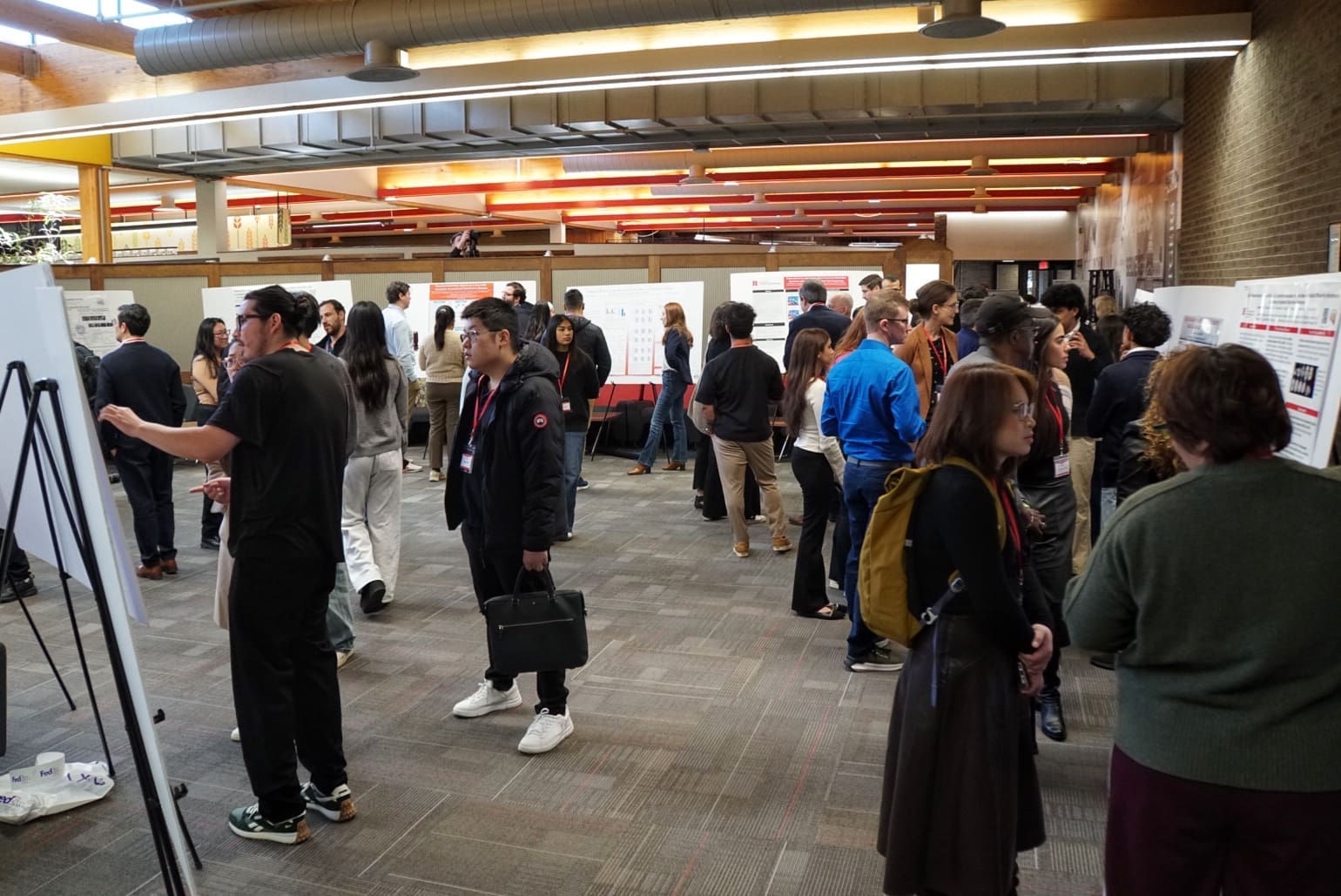
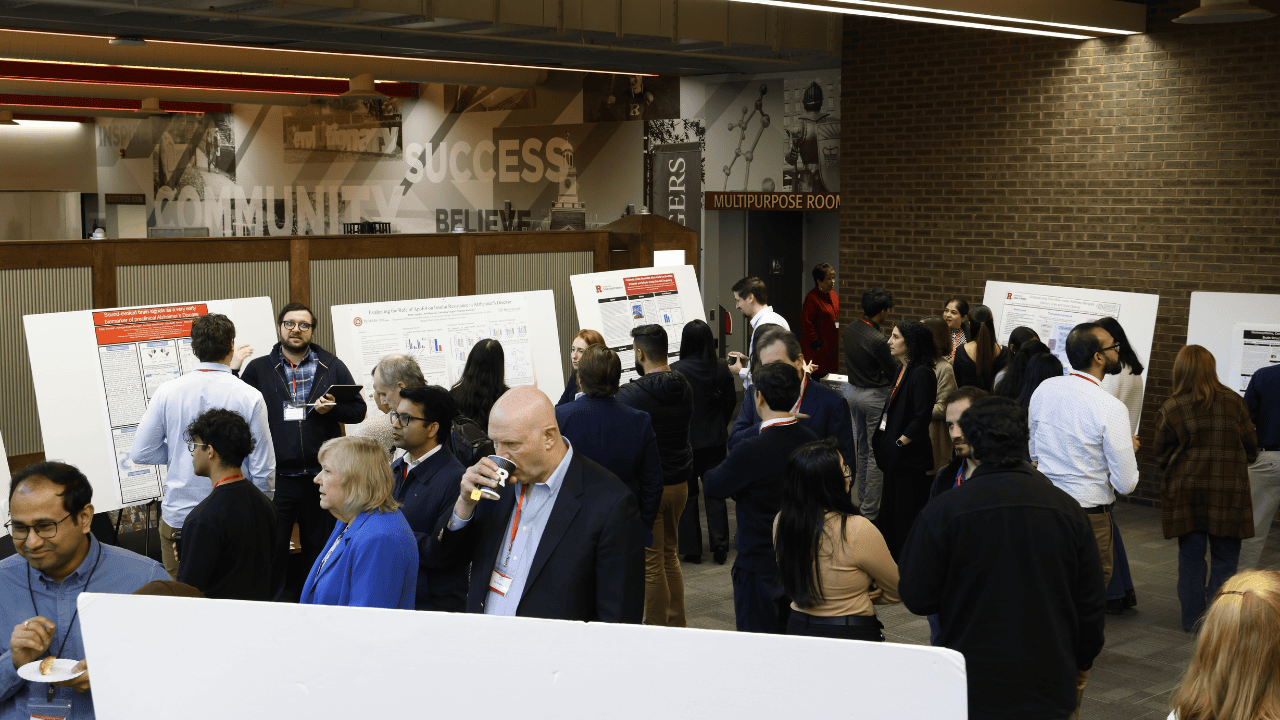
The Herbert and Jacqueline Krieger Klein Alzheimer’s Research Center (KKARC) within the Rutgers Brain Health Institute (BHI) hosted its 2026 Symposium on March 24, 2026, at the Busch Student Center in Piscataway, New Jersey. The event brought together researchers, clinicians, trainees, and community members to share advances in Alzheimer’s disease and related brain health research, welcoming over 140 attendees.
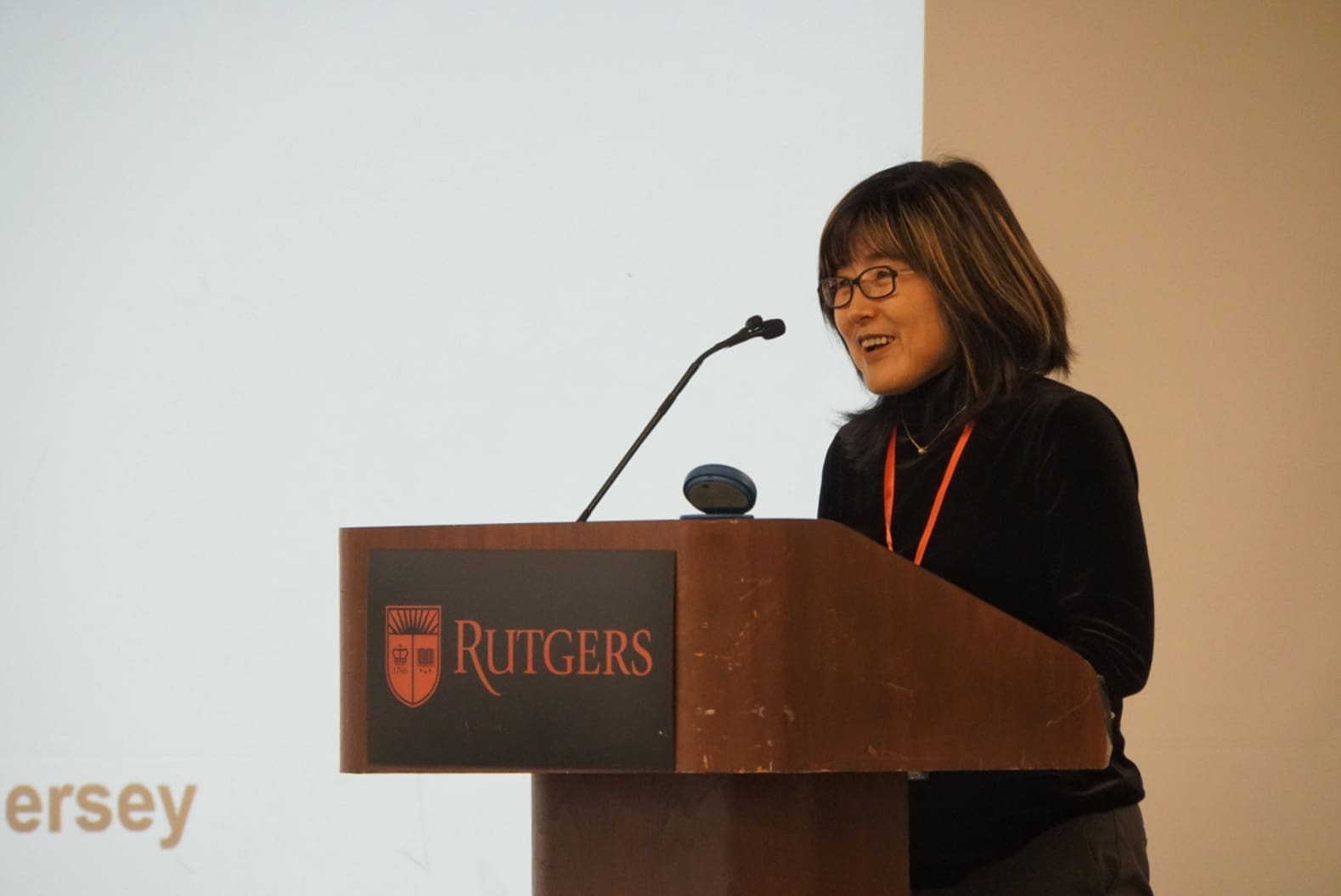
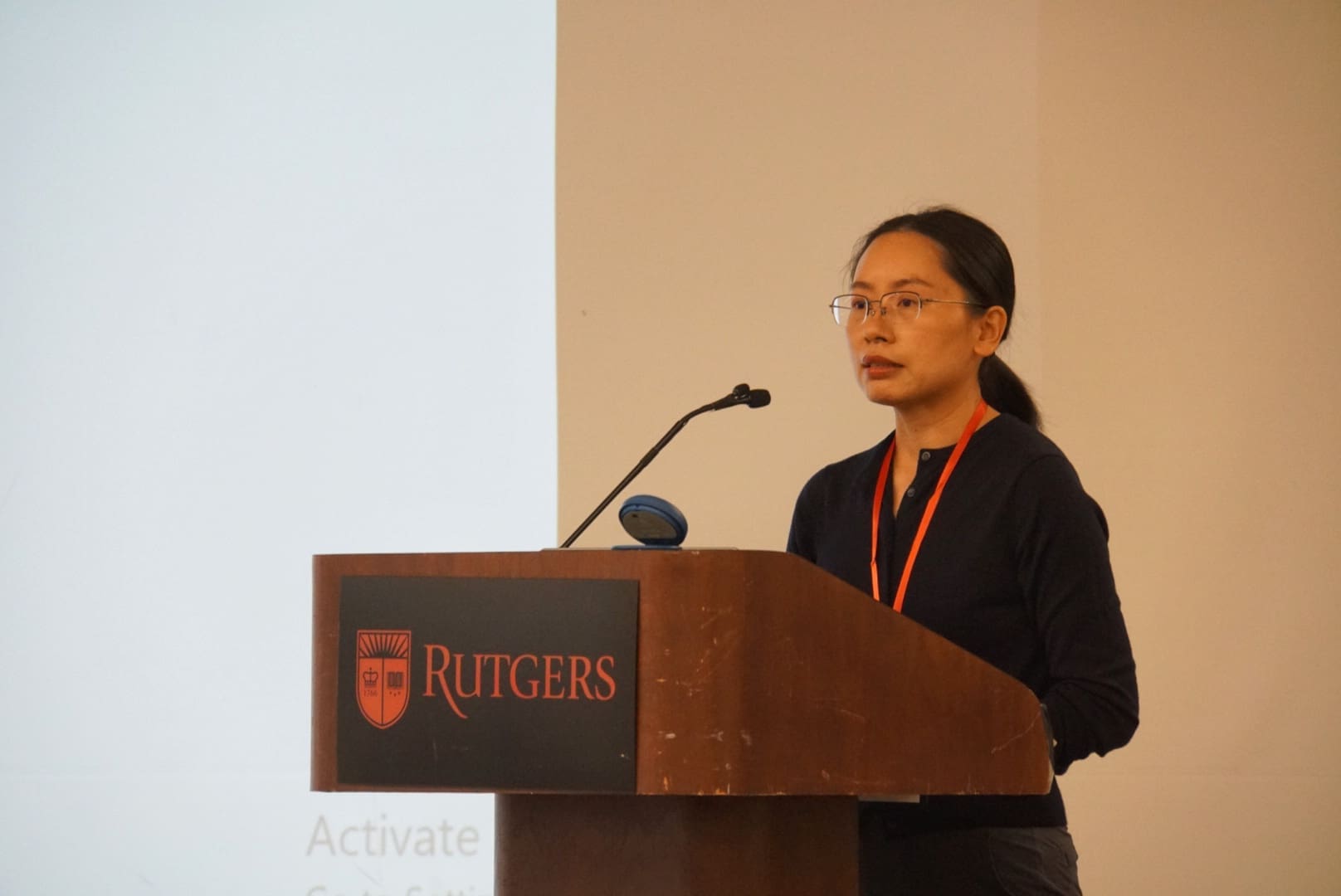
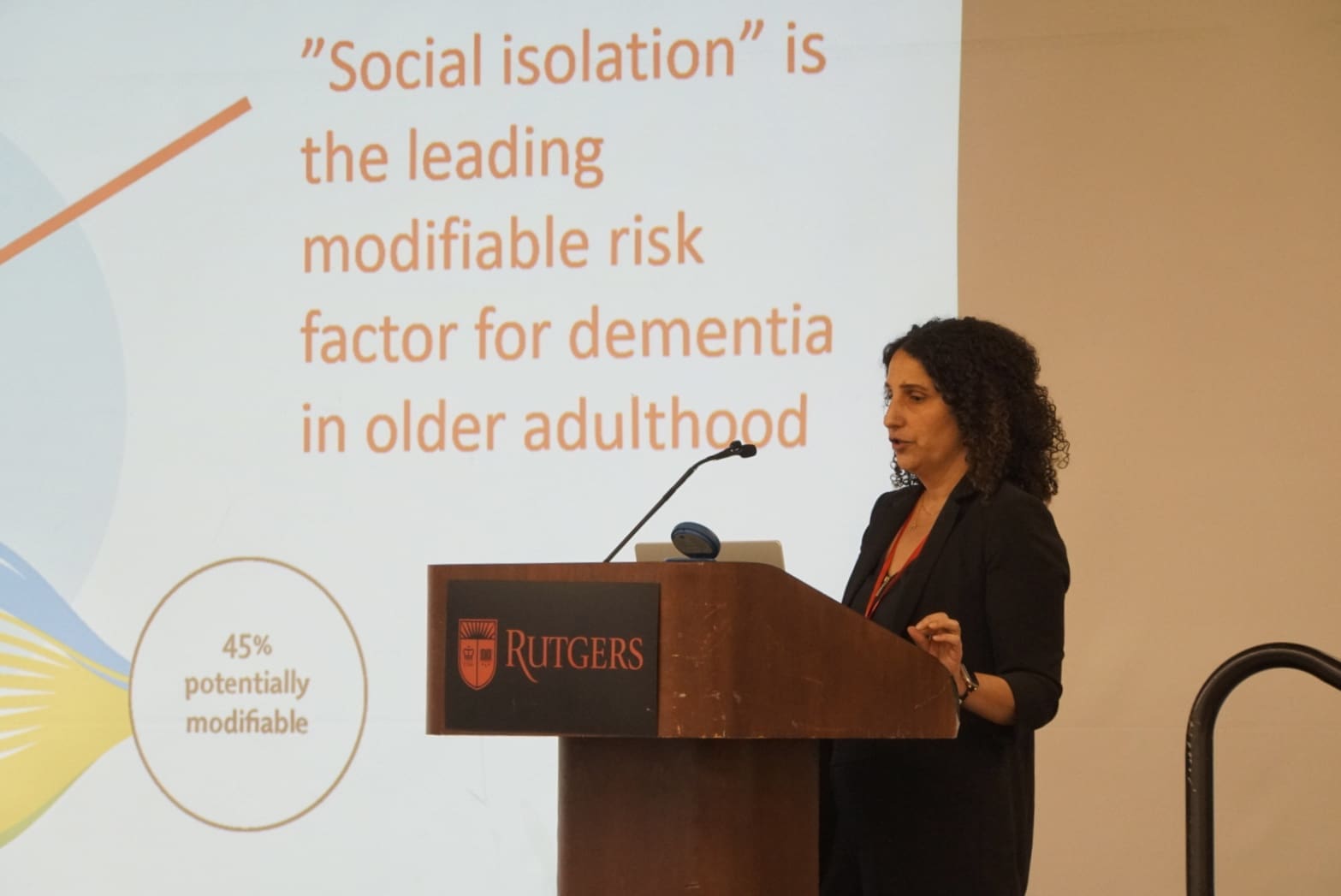
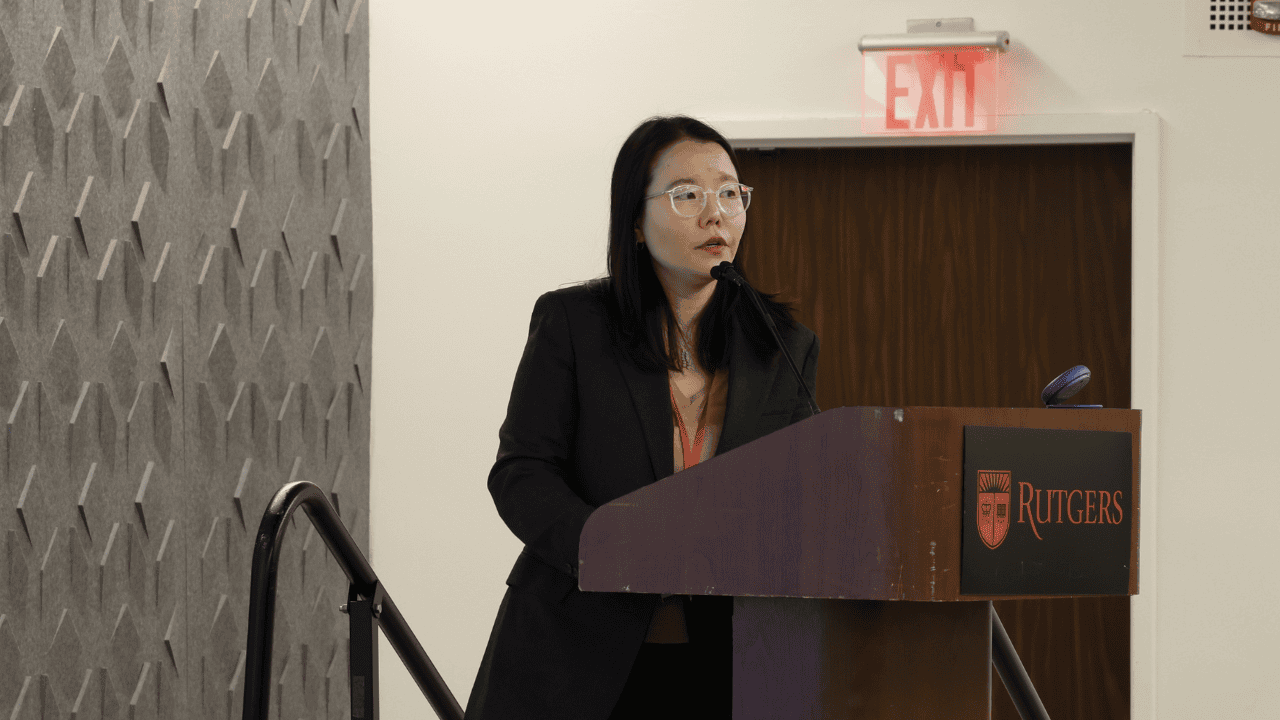
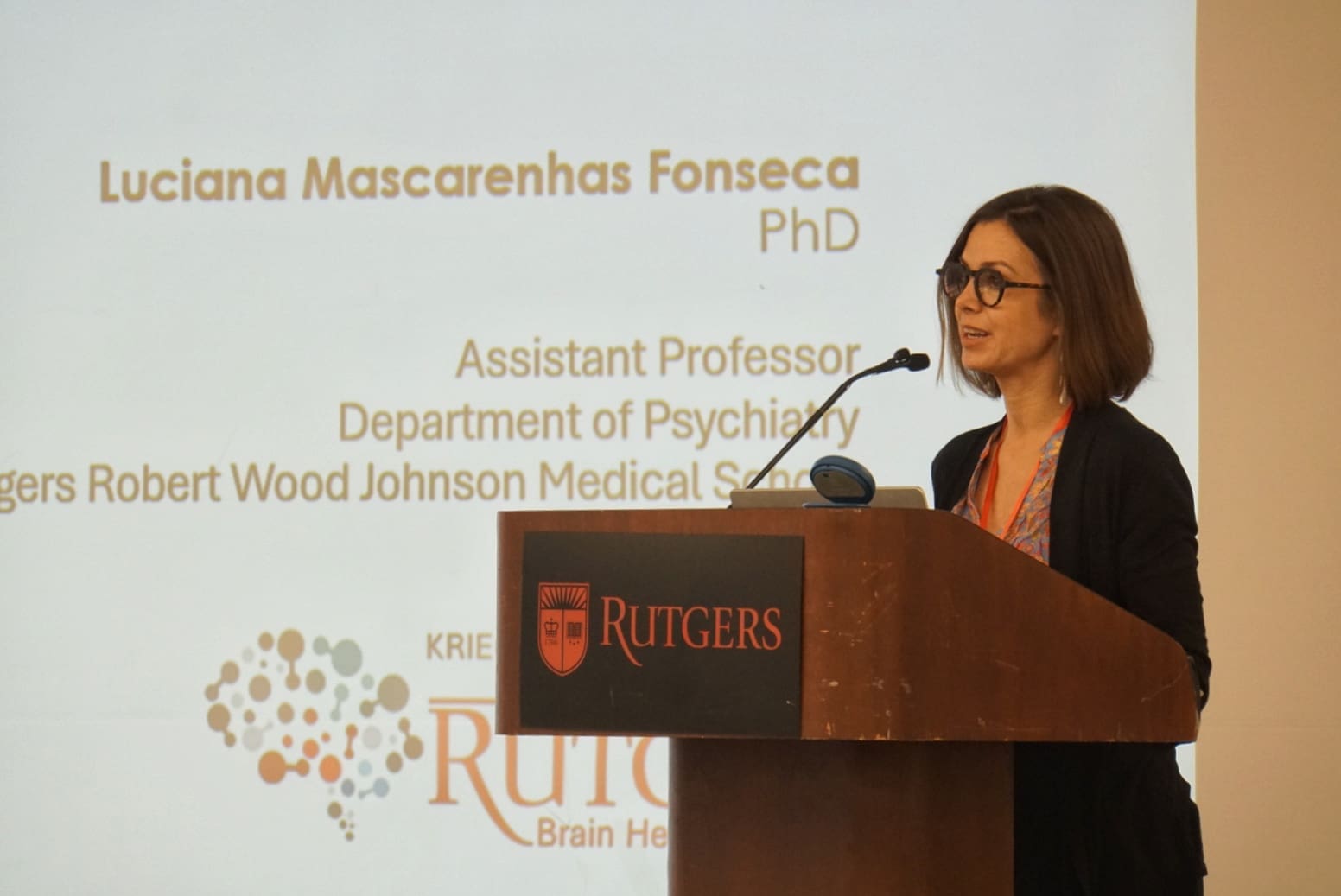
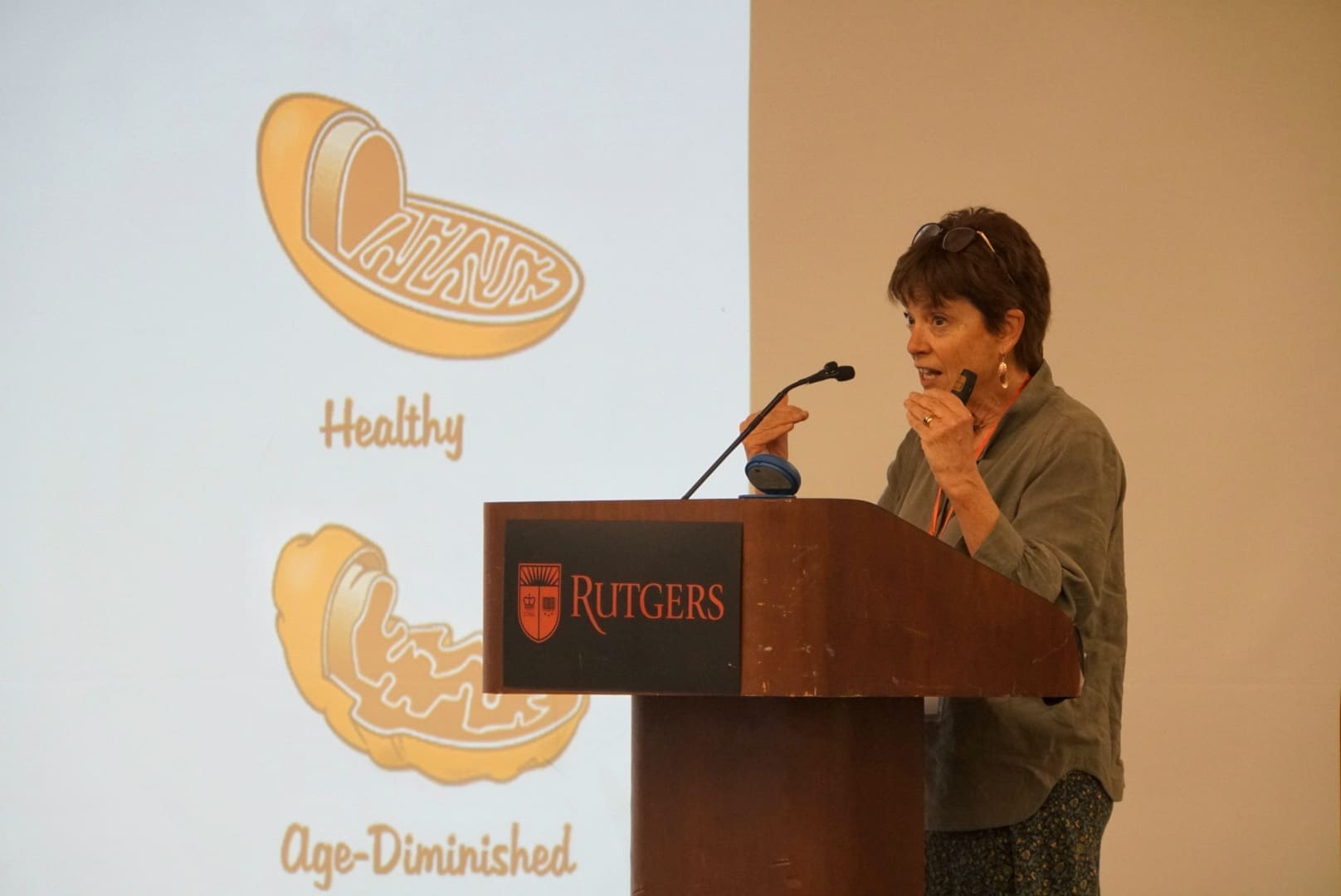
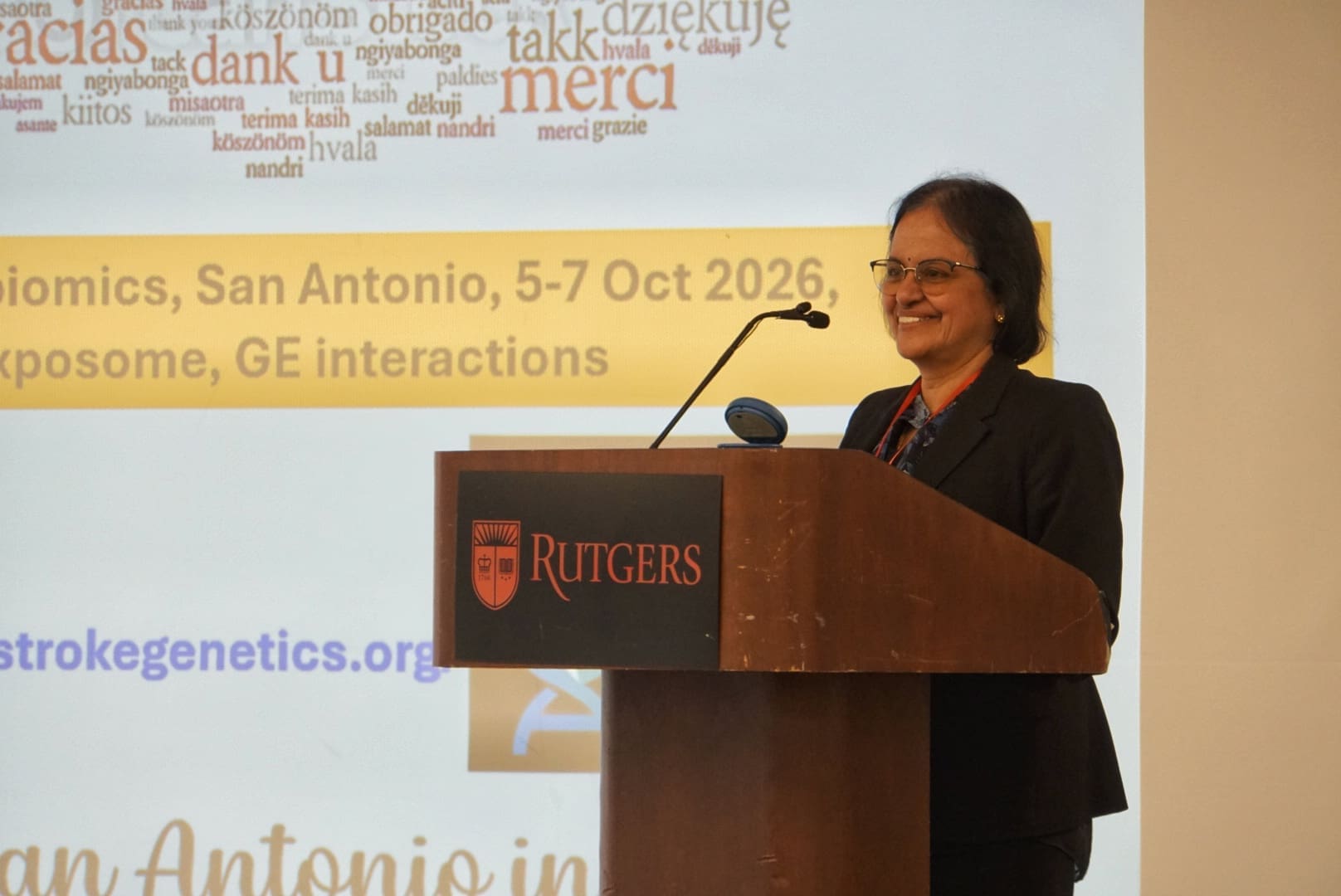
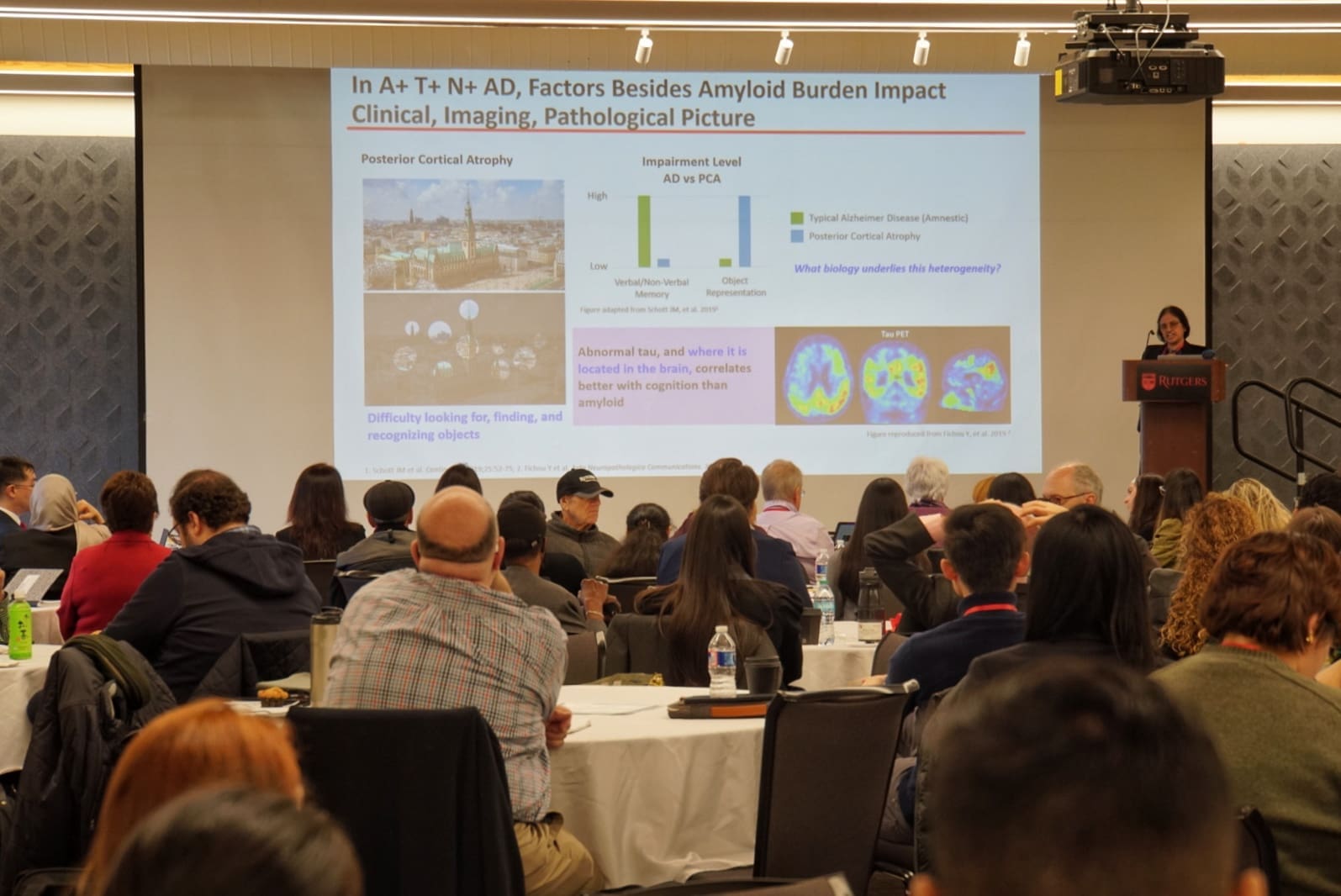
Alzheimer Research at KKARC
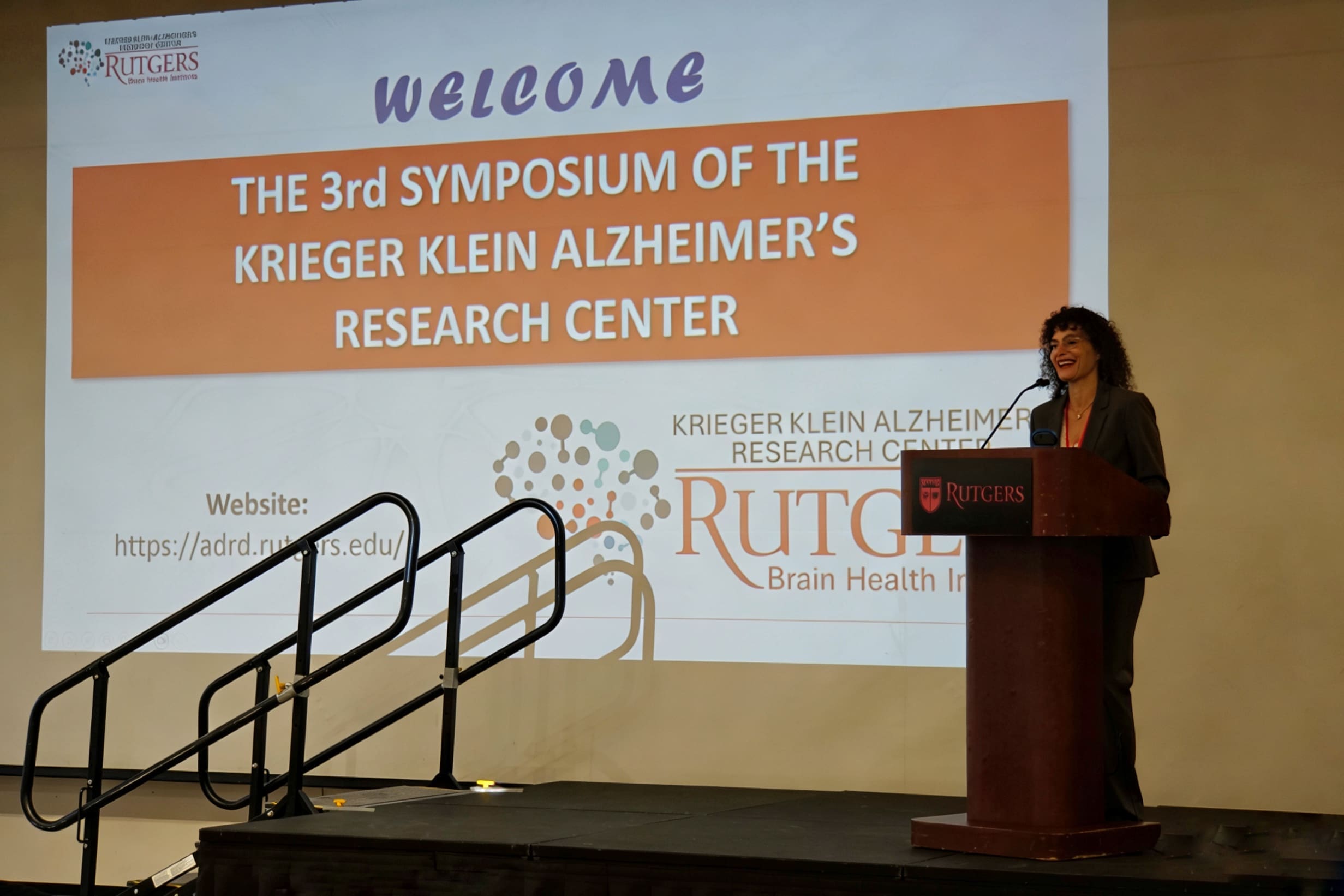
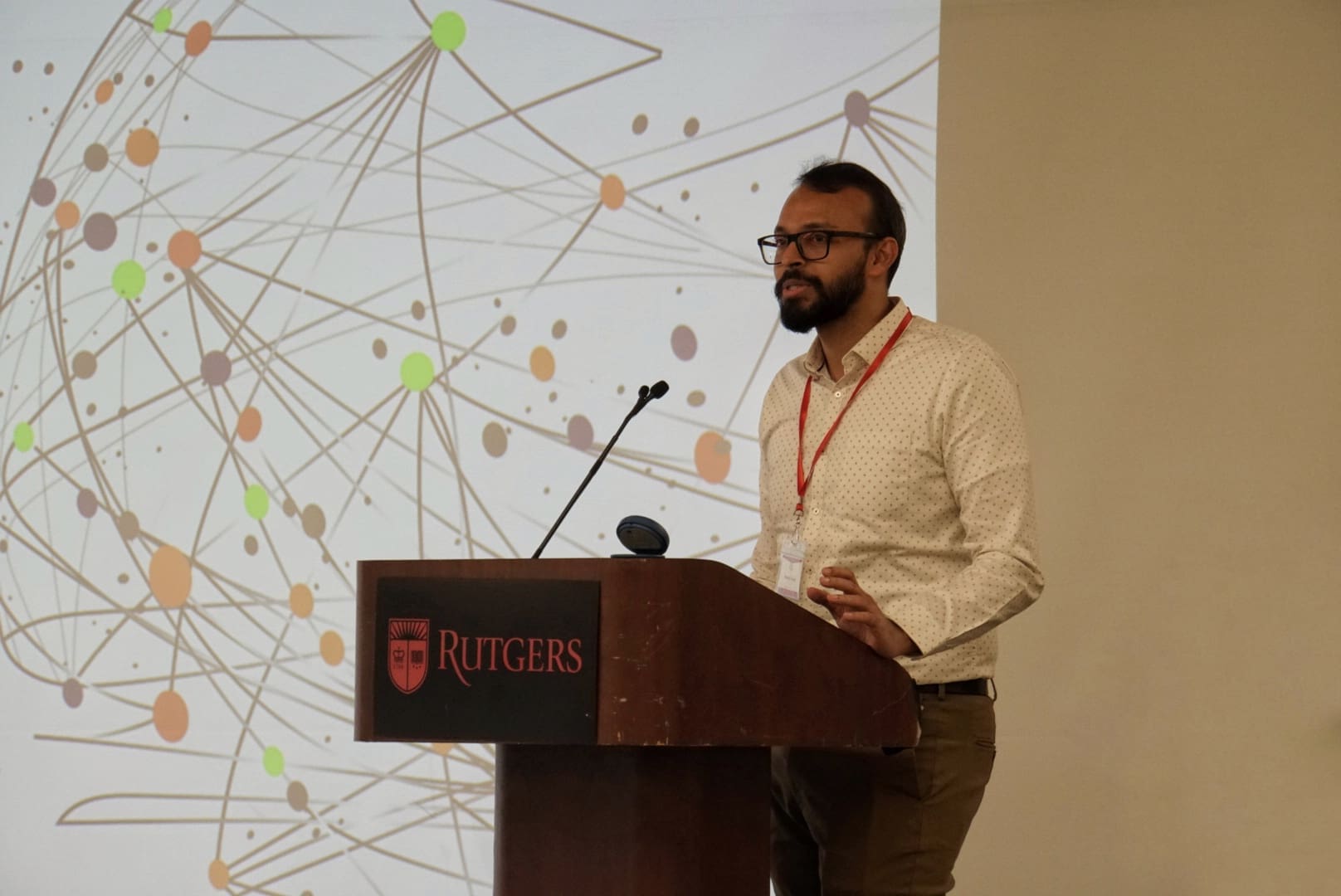
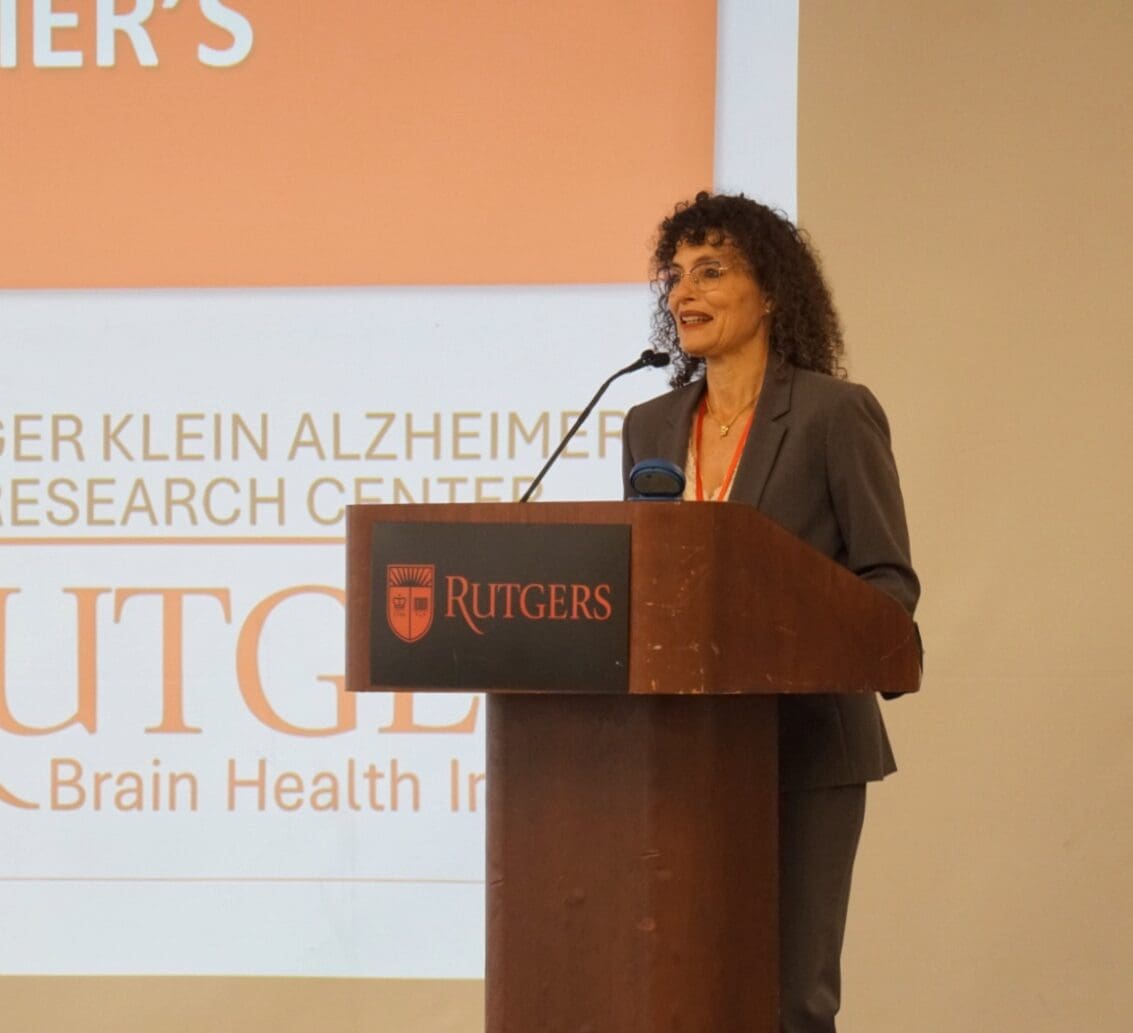
The symposium opened with welcome remarks from Dr. Michal Schnaider Beeri, Director of the KKARC. She highlighted the center’s progress in Alzheimer’s research, including secured grant funding, ongoing clinical study programs, and dedicated support for investigators, as key efforts to address critical challenges in dementia and cognitive health.
New Jersey Senator Andy Kim: A Policymaker’s Caregiver Perspective
“Families don’t just need better ways to cope, they need answers.”
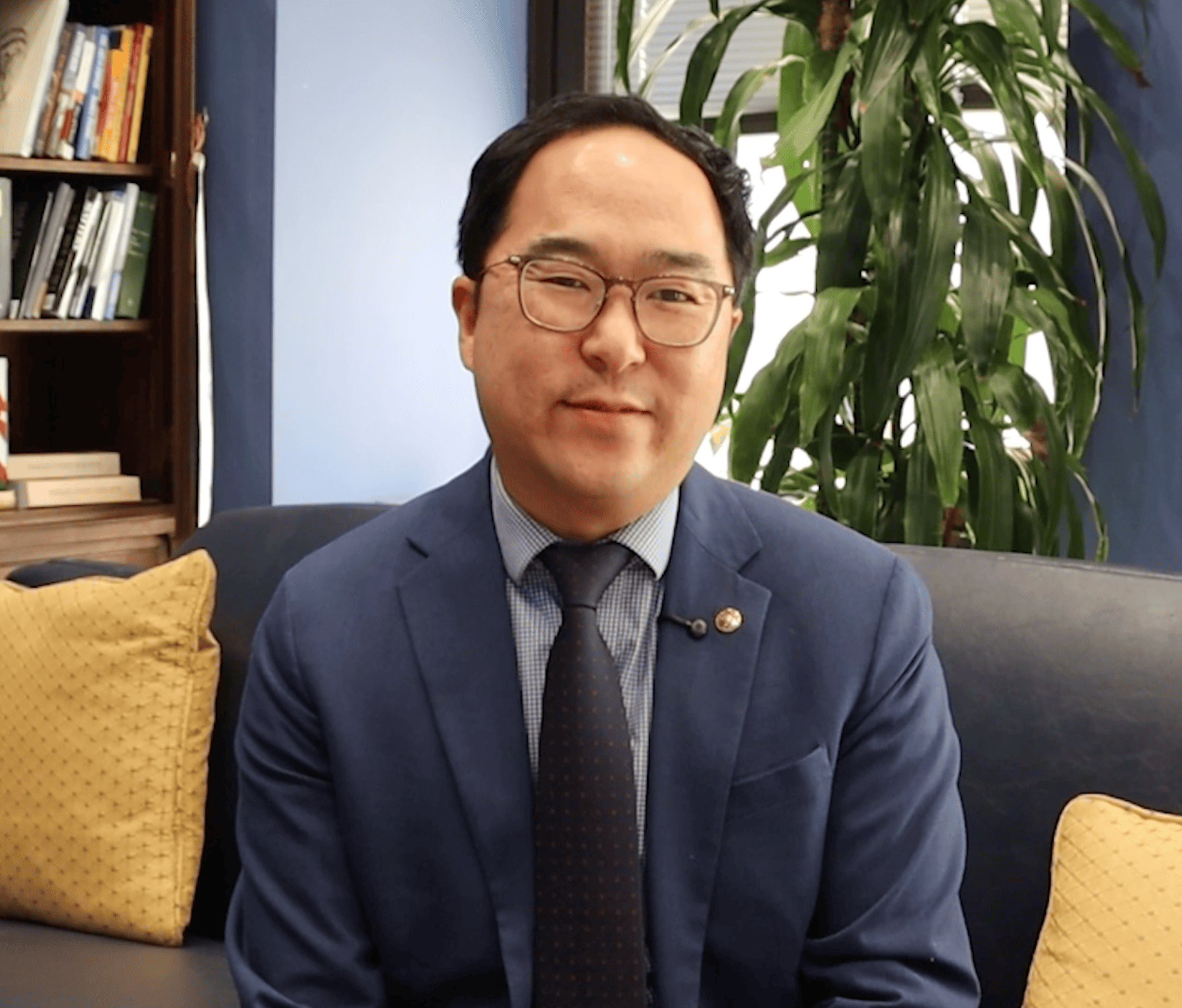
In his video message, Senator Andy Kim shared his personal experience as a family caregiver: his father, a former cancer and Alzheimer’s researcher, now lives with Alzheimer’s. He described the difficult realities of caregiving, especially as part of the sandwich generation, and emphasized that families need more than support—they need research-backed answers. He commended Rutgers’ leadership in brain health research and voiced support for continued investment in scientific discovery to bring hope for a future without Alzheimer’s.
Keynote Speaker: Sudha Seshadri, MD, DM
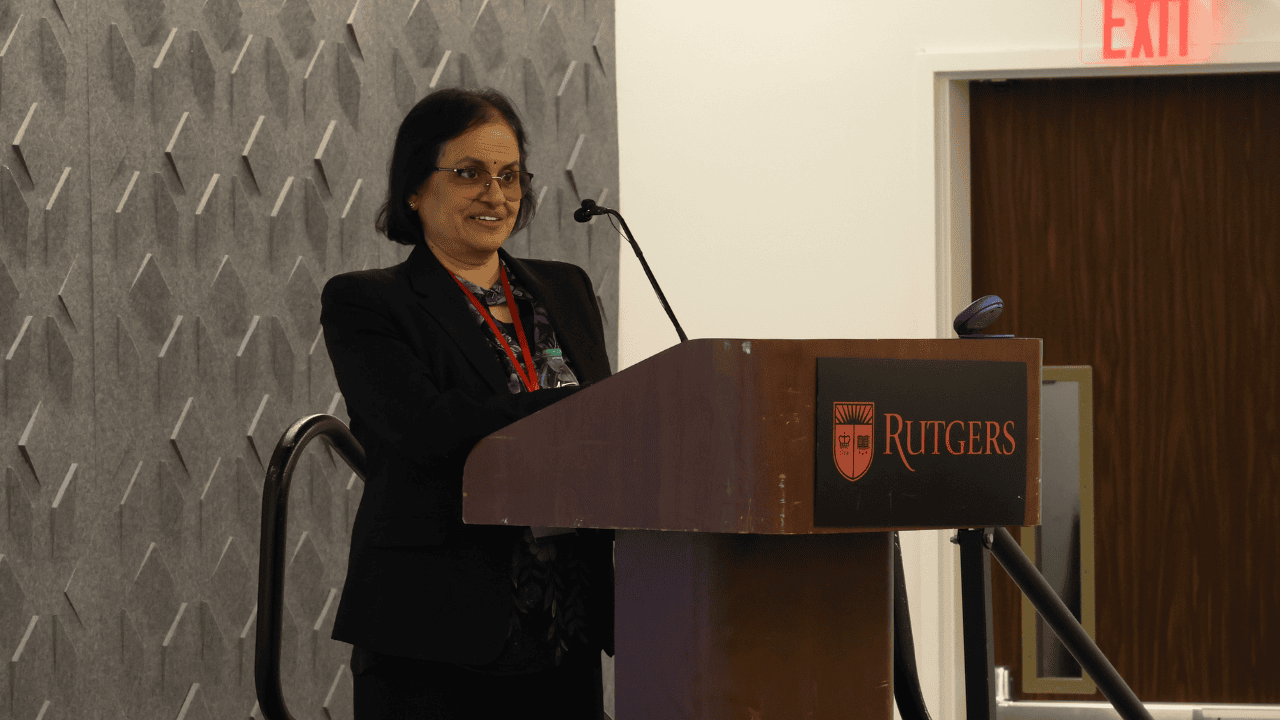
The symposium featured an inspiring keynote address delivered by Dr. Sudha Seshadri, the Robert R. Barker Distinguished University Professor, Founding Director of the Glenn Biggs Institute for Alzheimer’s & Neurodegenerative Diseases, and Senior Investigator with the Framingham Heart Study at The University of Texas Health Science Center at San Antonio.
Dr. Seshadri presented her talk titled “Novel Approaches to Preventing and Treating Dementias: Opportunities and Challenges”. Her research focuses on uncovering the biology of Alzheimer’s disease and related dementias, stroke, and vascular brain injury through epidemiological, genetic, multi-omic, and biomarker studies conducted in large, population-based cohorts.
Barry Litt: Disrupting the Alzheimer’s space-time continuum – A Family Caregiver’s Story
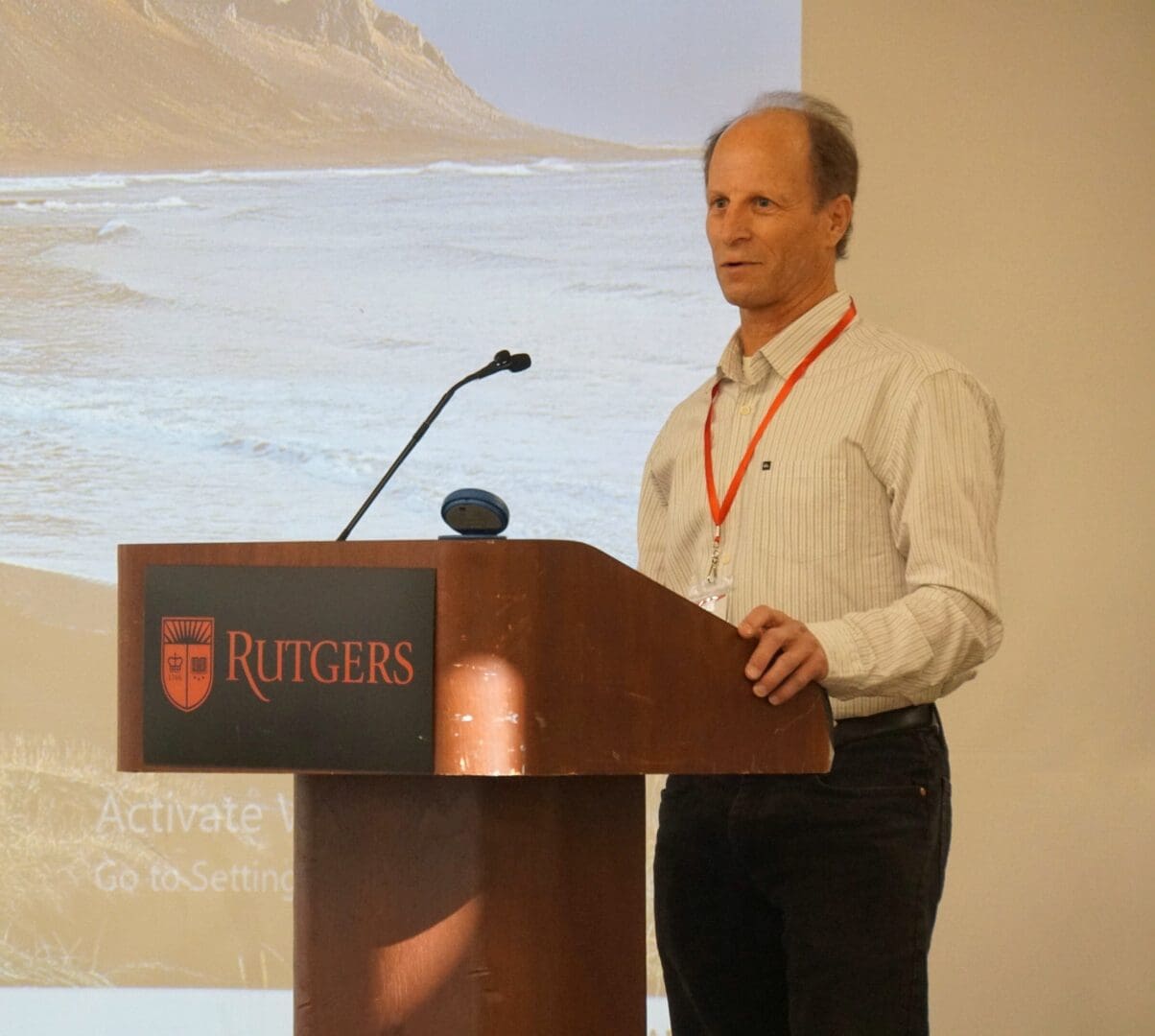
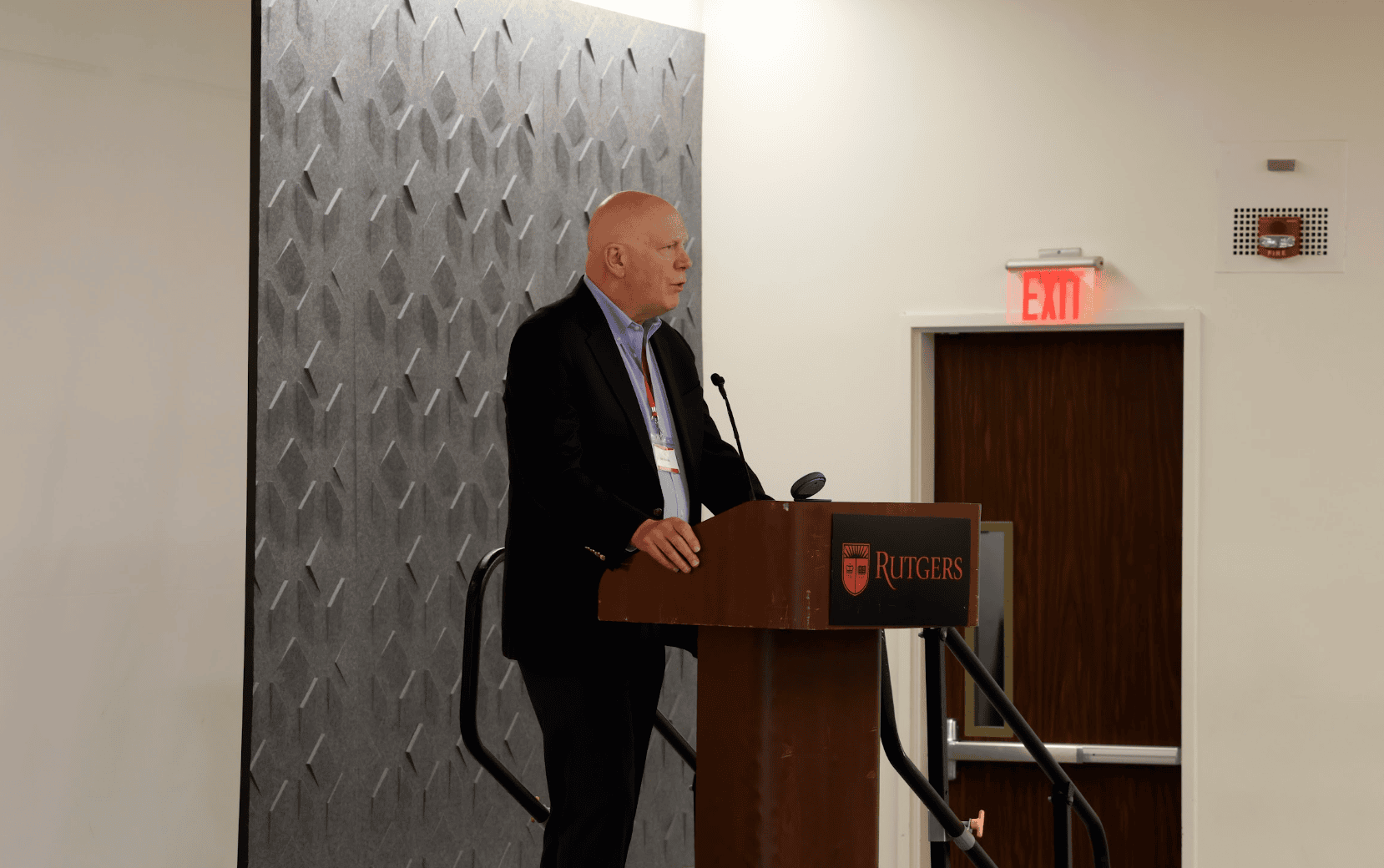
Barry Litt delivered a moving personal talk titled “Disrupting the Alzheimer’s Space-Time Continuum: How Alzheimer’s Affects the Families and Friends of Alzheimer’s Patients.”
Drawing from his experience caring for both his mother and uncle with late-onset Alzheimer’s, Barry described how the disease creates its own “space-time continuum,” profoundly disrupting the lives of loved ones financially, emotionally, and physically — a burden often overlooked. He shared candid stories of diagnosis, independence challenges, pandemic isolation, care transitions, and facility decisions, while calling for faster human clinical trials and greater support for families.
Barry thanked Dr. Michal Schnaider Beeri for the opportunity to bring the family perspective to the symposium.
Best Poster & Best Paper Awards
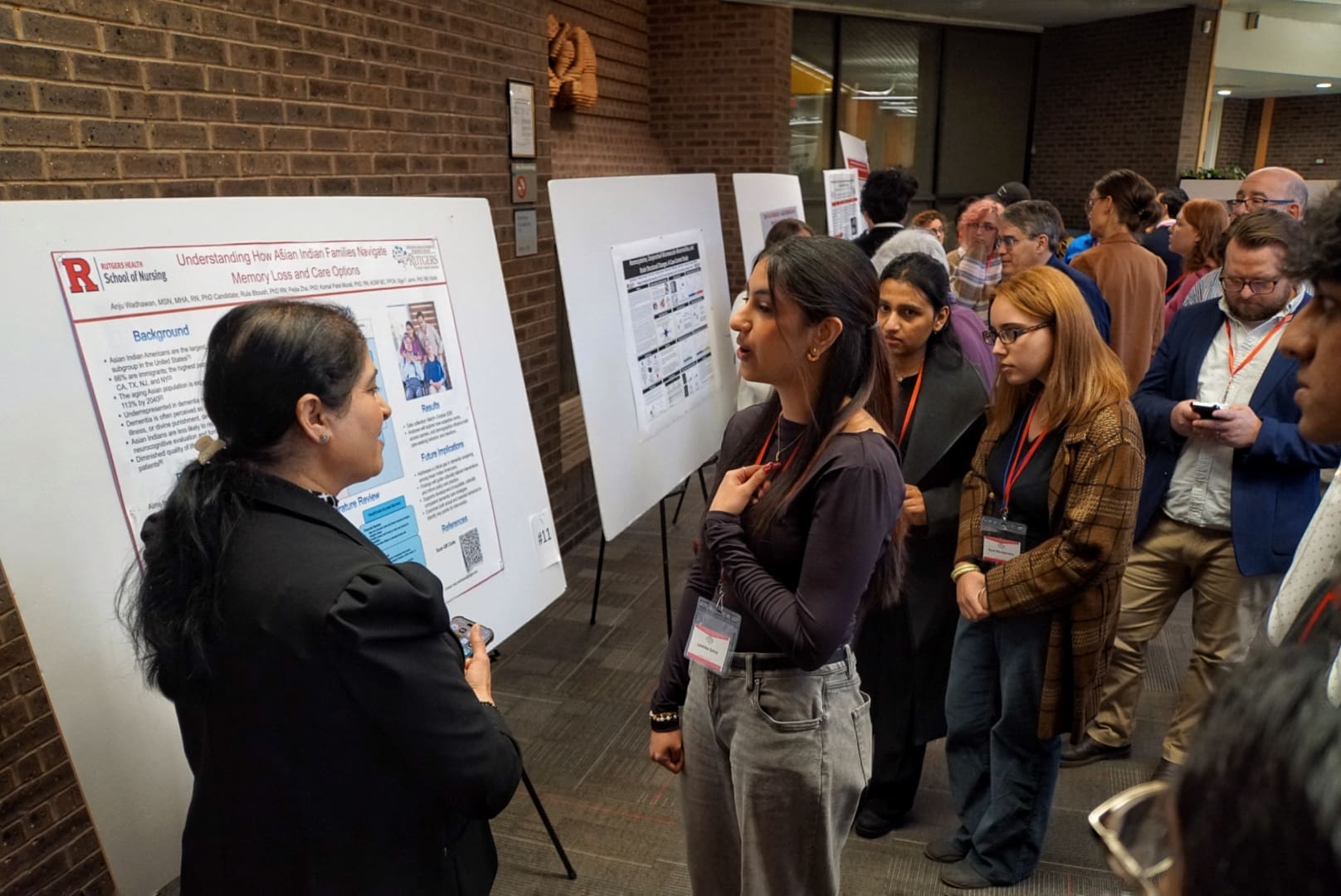
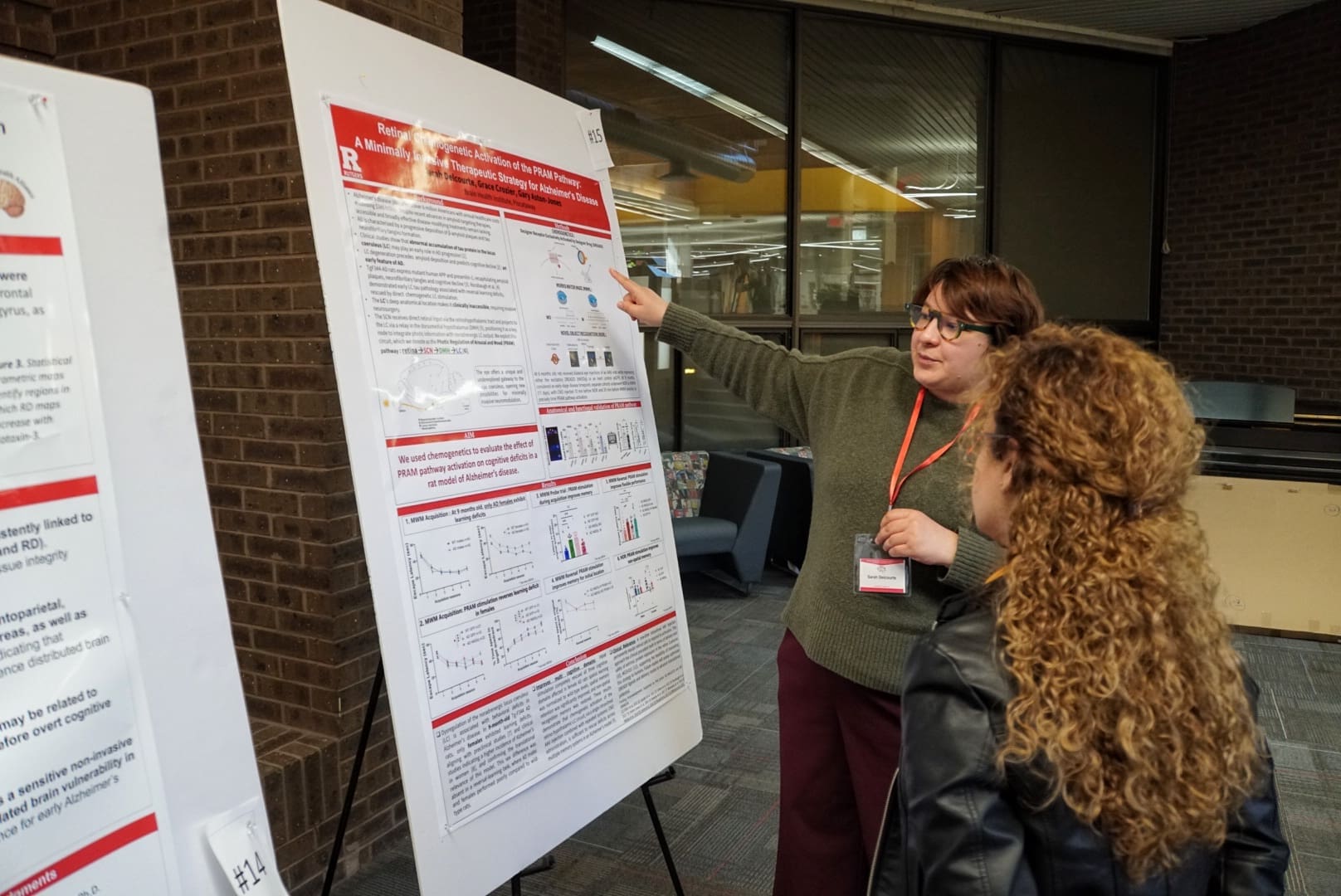
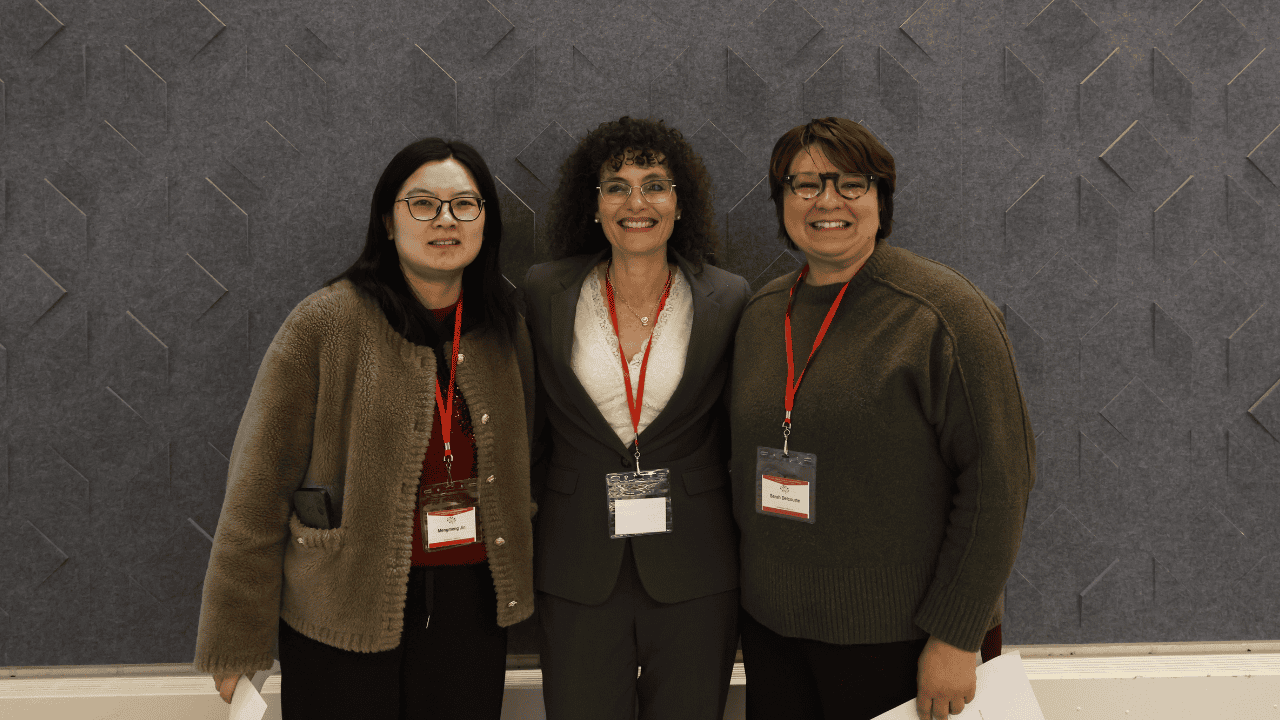
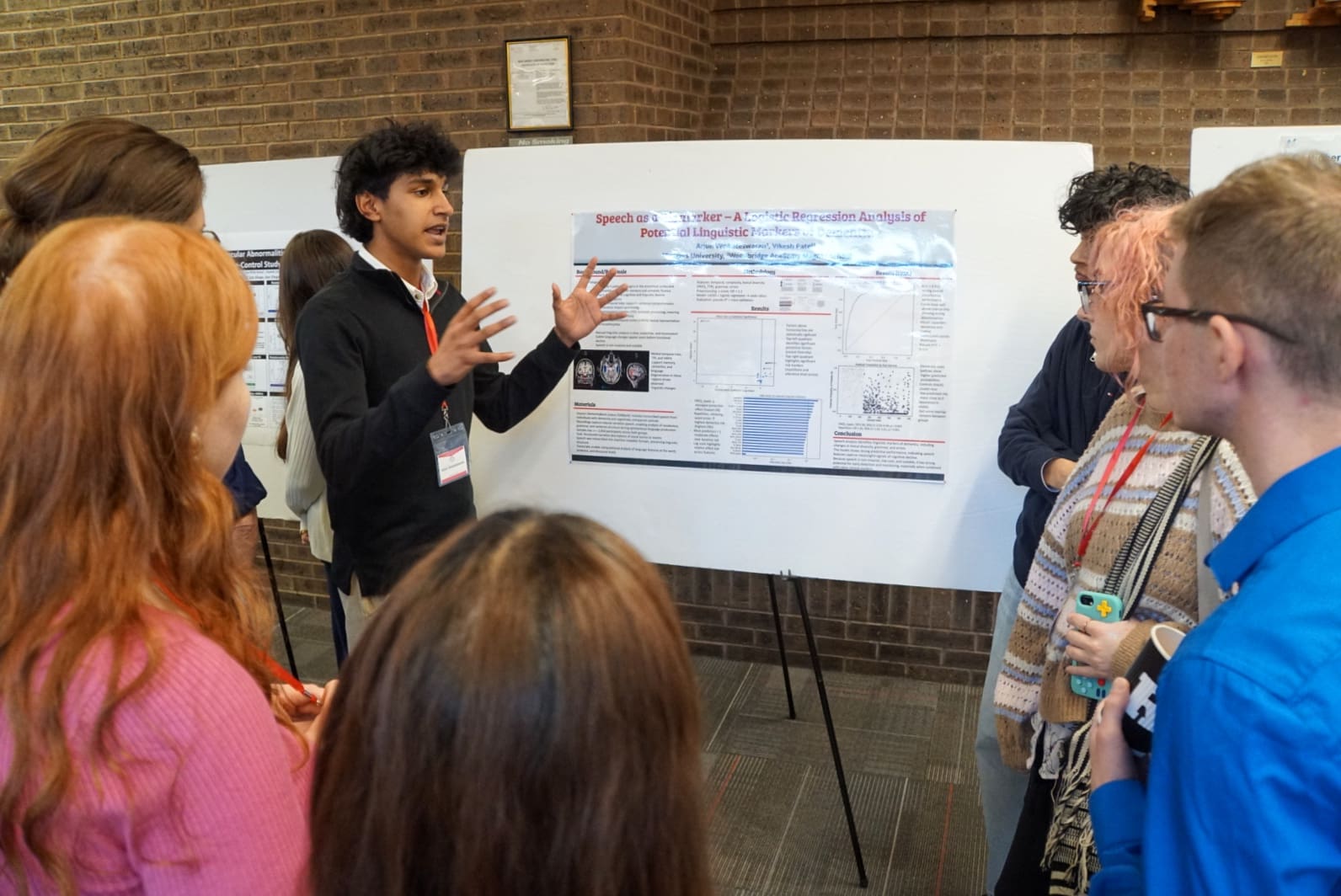
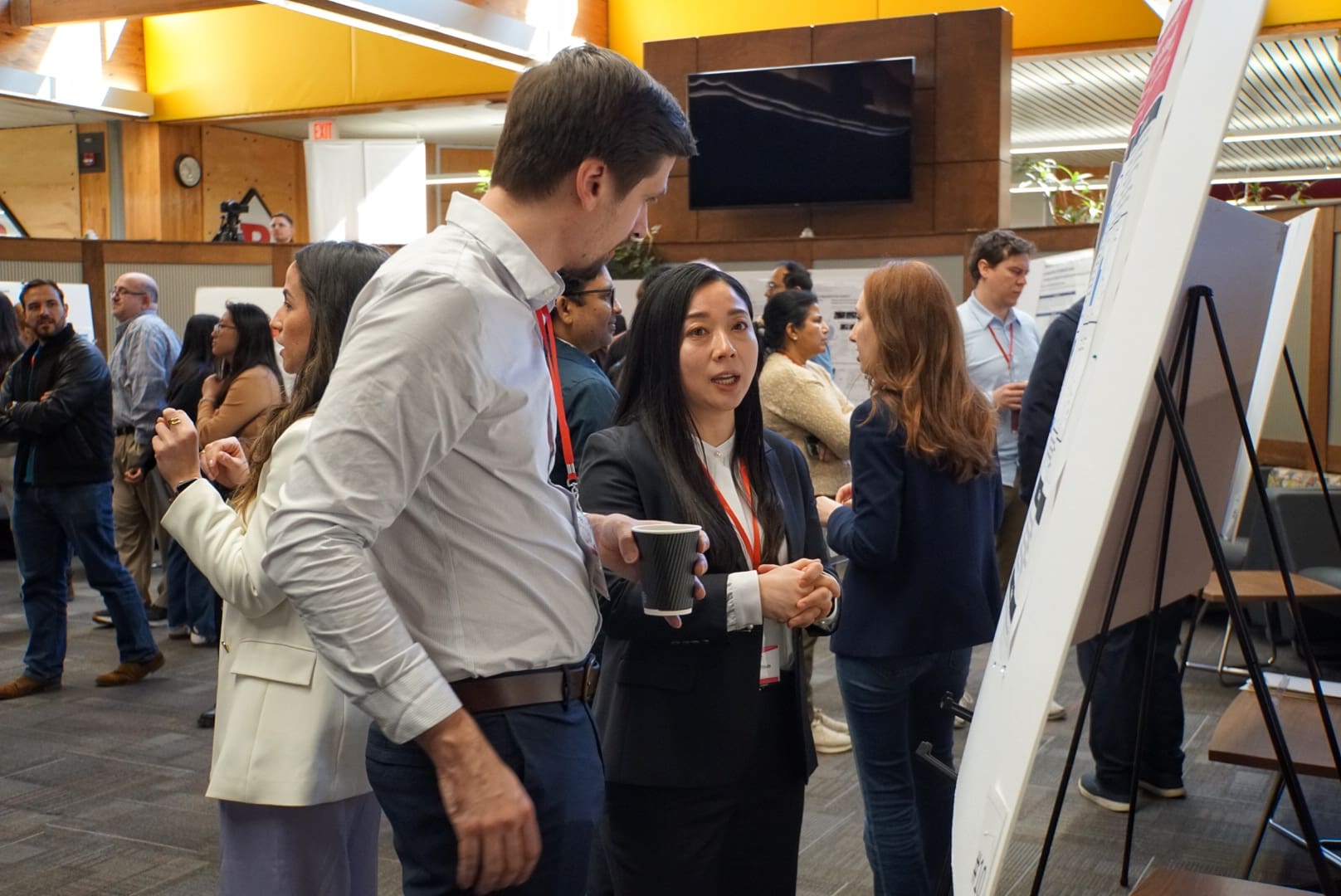
A highlight of the symposium was the recognition of exceptional work by early-career investigators, including PhD students, postdoctoral fellows, and assistant professors. A prize of $350 was awarded for both Best Poster and Best Paper, honoring outstanding original research contributions in the field.
Best Poster Award: Sarah Delcourte, PhD – Research Associate in Dr. Gary Aston-Jones’ lab (right)
“Retinal Chemogenetic Activation of the PRAM Pathway: A Minimally Invasive Therapeutic Strategy for Alzheimer’s Disease”
Best Paper Award: Mengmeng Jin, PhD – Postdoctoral Research Fellow in Dr. Peng Jiang’s lab (left)
“A Myeloid trisomy 21-Associated Gene Variant is Protective From Alzheimer’s Disease”
Herbert and Jacqueline Krieger Klein Alzheimer’s Research Center
The Herbert and Jacqueline Krieger Klein Alzheimer’s Research Center focuses on advancing research to delay, prevent, and treat Alzheimer’s and related neurodegenerative diseases through innovative studies and clinical collaborations.
