

BHI Plenary Seminar: Dr. Xiongwei Zhu on Mitochondrial Dynamics in Alzheimer’s Disease
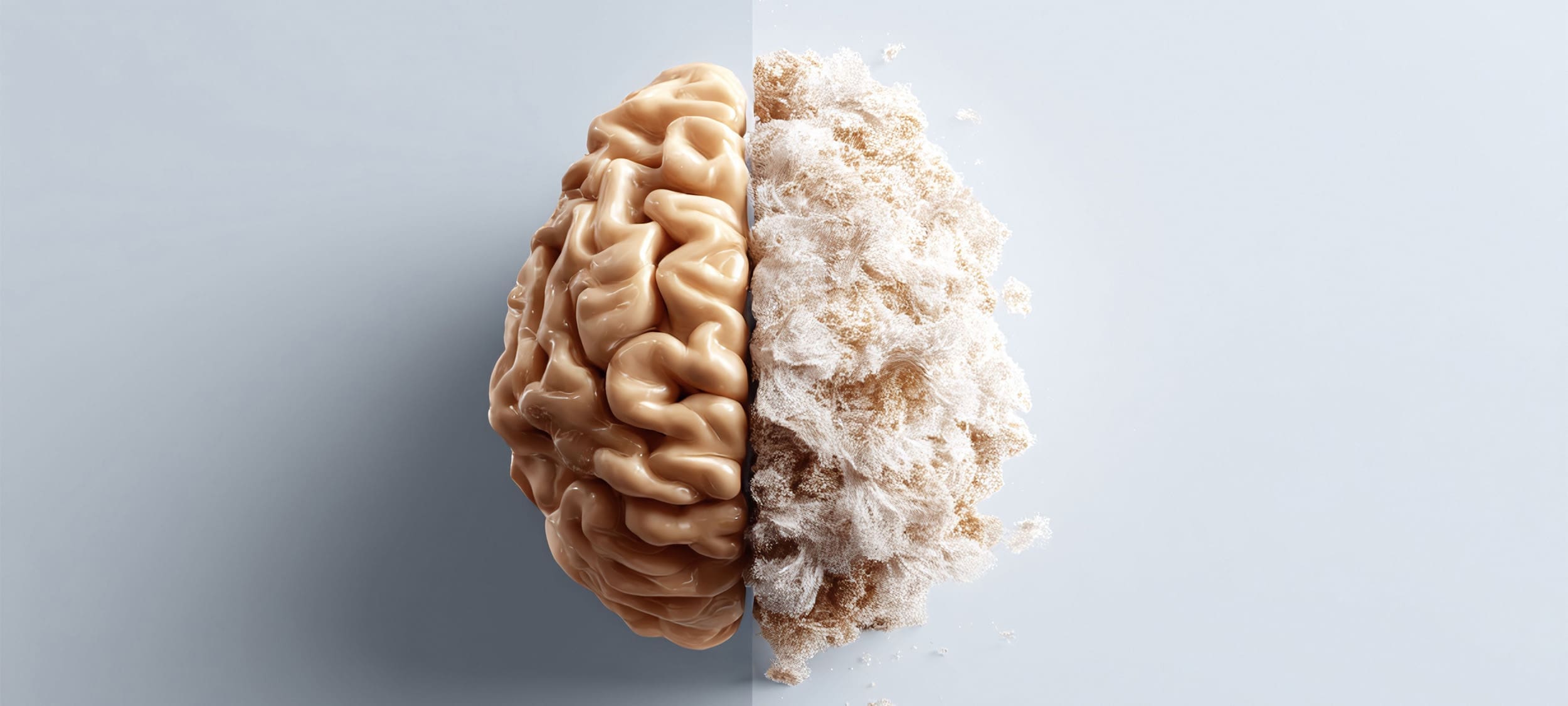
The Rutgers Brain Health Institute (BHI) is delighted to welcome Dr. Xiongwei Zhu, Professor of Pathology and Neurology at Case Western Reserve University, Vice Chair of Graduate Education in the Department of Pathology, Director of the Pathology Graduate Program, and Co-Director of the Molecular and Cellular Basis of Disease Training Program as our distinguished plenary speaker on April 16, 2026, at 1:00 PM in the Medical Science Bldg., Room B-610, New Jersey Medical School (Join via Zoom). Dr. Zhu’s hybrid seminar will spark lively forward-looking conversations at the intersection of mitochondrial biology, synaptic function, and neurodegeneration—areas central to advancing our understanding of Alzheimer’s disease, Parkinsons disease, and related disorders.
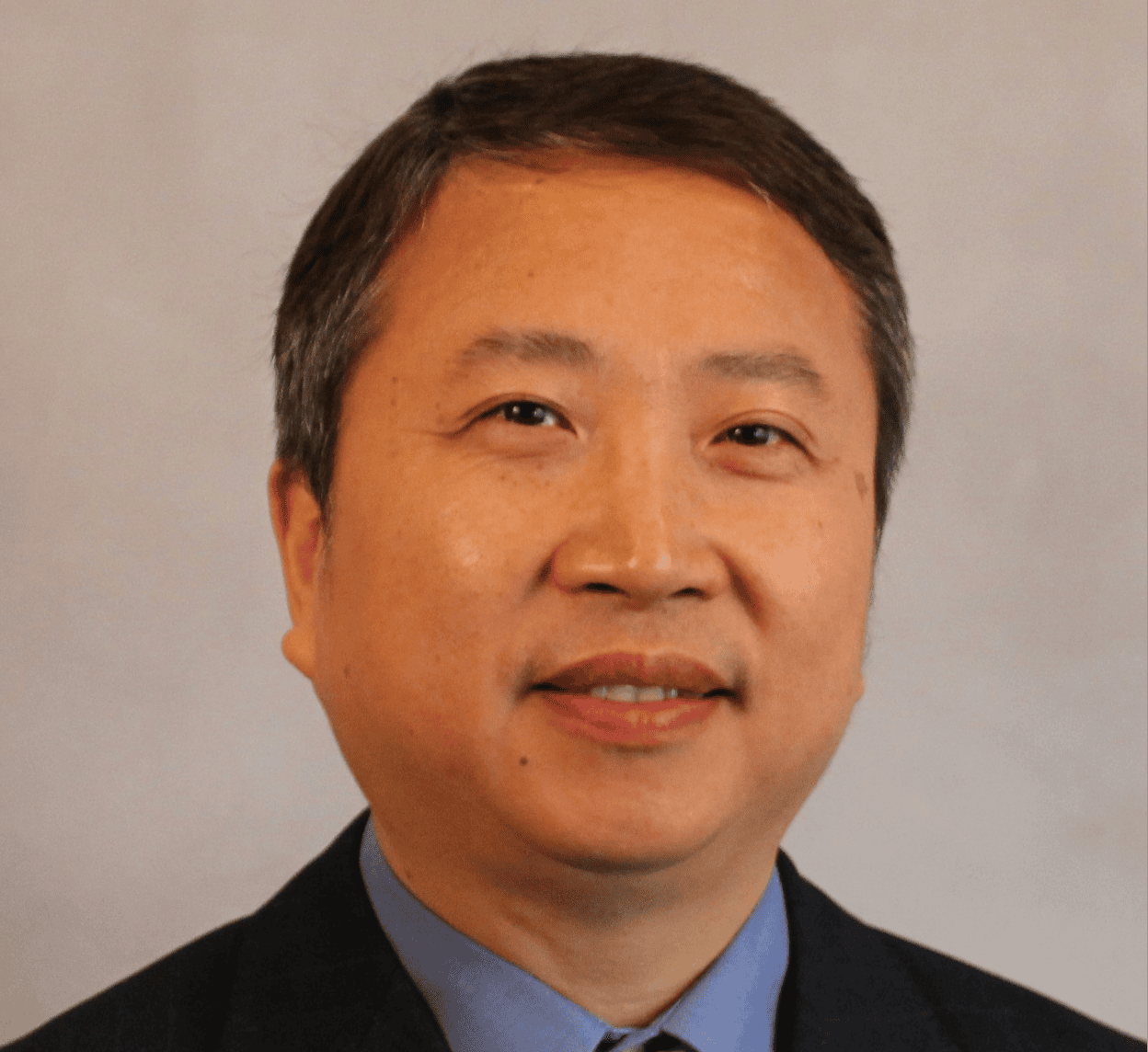
Dr. Xiongwei Zhu
Dr. Zhu’s career reflects a deep and sustained commitment to uncovering the molecular drivers of age-related brain disorders through meticulous biochemical and cellular research. He received his B.Sc. in Biochemistry from Wuhan University in 1995, an M.Sc. in Biochemistry from the same institution in 1998, and a Ph.D. in Pathology from Case Western Reserve University in 2002. At Case Western Reserve, he progressed swiftly from Research Associate (2002–2003) and Instructor (2003–2004) to Assistant Professor (2004–2009), Tenured Associate Professor (2009–2015), and Tenured Professor of Pathology and Neurology (2015–present). He has held important leadership roles, including Pathology Graduate Program Director since 2017 and Vice Chair of Graduate Education since 2024. His research, continuously funded by major NIH grants from the National Institute on Aging (NIA) and the National Institute of Neurological Disorders and Stroke (NINDS), combines analyses of human brain tissue, in vitro cellular models, and transgenic mouse studies to explore mitochondrial mechanisms in neurodegeneration.
Dr. Zhu’s career reflects a deep and sustained commitment to uncovering the molecular drivers of age-related brain disorders through meticulous biochemical and cellular research. He received his B.Sc. in Biochemistry from Wuhan University in 1995, an M.Sc. in Biochemistry from the same institution in 1998, and a Ph.D. in Pathology from Case Western Reserve University in 2002. At Case Western Reserve, he progressed swiftly from Research Associate (2002–2003) and Instructor (2003–2004) to Assistant Professor (2004–2009), Tenured Associate Professor (2009–2015), and Tenured Professor of Pathology and Neurology (2015–present). He has held important leadership roles, including Pathology Graduate Program Director since 2017 and Vice Chair of Graduate Education since 2024. His research, continuously funded by major NIH grants from the National Institute on Aging (NIA) and the National Institute of Neurological Disorders and Stroke (NINDS), combines analyses of human brain tissue, in vitro cellular models, and transgenic mouse studies to explore mitochondrial mechanisms in neurodegeneration.
Dr. Zhu’s many honors and editorial contributions highlight his significant impact in the field: the Mark Smith Award (2015), the ISN Young Investigator Lectureship Award (2009), two Alzheimer Awards from the Journal of Alzheimer’s Disease (2010 and 2011), the Clive R. Hamlin Ph.D. Designated Professorship (2023), and a long list of competitive grants focused on mitochondrial fission/fusion dynamics, PGC-1α biogenesis, and RNA m6A dysregulation in Alzheimer’s disease. He serves on numerous editorial boards, including Deputy Editor of the Journal of Alzheimer’s Disease, Editorial Member of Molecular Neurodegeneration, Associate Editor of Frontiers in Aging Neuroscience, and Deputy Chief Editor (Bioenergetics & Metabolism) of the Journal of Neurochemistry. He has also organized international symposia on mitochondrial dynamics in neurodegeneration and now serves as Chair of the Board of Directors for the Global Association for the Study of Neurodegenerative Diseases (GASND). His laboratory is recognized for its quantitative approach to mitochondrial dynamics, linking molecular mechanisms to experimental findings to show how imbalances in fission and fusion lead to fragmentation, oxidative stress, synaptic dysfunction, and neuroinflammation in Alzheimer’s disease models. These findings, validated across mammalian systems, have identified promising therapeutic targets for both Alzheimer’s and Parkinson’s disease and position mitochondrial dynamics as an important bridge between basic discovery and clinical application. Dr. Zhu has published extensively in leading journals, including Proceedings of the National Academy of Sciences, Journal of Neuroscience, Molecular Neurodegeneration, and Biochimica et Biophysica Acta.
Abstract of the Talk: “Abnormal Mitochondrial Dynamics As a Therapeutic Target for Alzheimer’s Disease”
Multiple lines of evidence suggest that mitochondrial dysfunction plays a critical role in the pathogenesis of Alzheimer’s disease. Recent studies demonstrated that mitochondria are highly dynamic organelles characterized by a delicate balance of fission and fusion, a concept that has revolutionized our basic understanding of the regulation of mitochondrial structure and function, which has far-reaching significance in studies of health and disease. We found significant changes in the expression of mitochondrial fission and fusion proteins in the AD brain. Both in vitro and in vivo studies suggest that mitochondrial dynamics was tipped towards fission and resulted in mitochondrial fragmentation and abnormal distribution in AD models, which likely contributes to mitochondrial and synaptic dysfunction as well as neuroinflammation in AD. Genetic and pharmaceutical methods to rescue mitochondrial morphology and distribution could effectively restore Aβ-induced mitochondrial function and alleviate synaptic dysfunction both in vitro and in vivo. Taken together, we propose that abnormal mitochondrial dynamics negatively impacts all aspects of mitochondrial function, which causes synaptic dysfunction and neuronal dysfunction that is critical to AD pathogenesis. Therefore, abnormal mitochondrial dynamics appear to be an attractive therapeutic intervention target for AD.
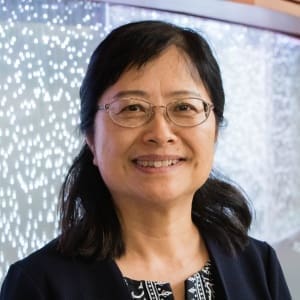
Dr. Ying Xu
Dr. Ying Xu, Assistant Professor, Department of Anesthesiology, New Jersey Medical School, invited Dr. Zhu because of his unique expertise and the strong relevance of his work to Alzheimer’s disease and related dementia (ADRD). His experience and insights align closely with ADRD research being explored at Rutgers, and she believes he will bring both practical knowledge and fresh perspectives. The collaboration was established to combine the speaker’s expertise with the university’s strengths in research, creating meaningful academic impact. She looks forward to expanding this collaboration through joint projects, publications, and long-term academic exchange. Dr. Xu hopes that trainees and faculty alike will leave the seminar not only with shared and new knowledge of ADRD but also new perspectives that challenge existing assumptions and shape future basic research and clinical practice.
Dr. Zhu adds: “The opportunity for meaningful exchange. Universities bring together curious, critical thinkers who ask thoughtful questions and challenge ideas in ways that strengthen and refine our work. I am delighted to get a chance to do the latter with the scientific community at Rutgers.”
The Rutgers Brain Health Institute (BHI) through its plenary seminar series and interdisciplinary initiatives, fosters collaborations that drive discoveries in neurodegeneration, psychiatric disorders, and cognitive function, empowering the next generation of researchers to translate insights into transformative therapies. Explore our mission, ongoing projects, and engagement opportunities. Support BHI’s efforts to advance brain health research.
Rutgers Brain Health Institute Plenary Seminar Series
The Rutgers Brain Health Institute (BHI) Plenary Seminar Series, hosted by BHI Focus Area Working Groups (FAWGs), brings prominent neuroscientists to Rutgers to present cutting-edge discoveries. These high-profile lectures foster new collaborations, energize trainees, and enhance Rutgers’ visibility as a global leader in neuroscience.
