Rutgers Symposium on the Intersection of Cognitive, Sensory and Affective Neuroscience
The Rutgers Symposium on the Intersection of Cognitive, Sensory, and Affective Neuroscience is an interdisciplinary and cross-area meeting of Rutgers neuroscientists. The event aims to foster interactions and build collaborations across PI’s and their labs whose work touches on cognition and sensation with those who study affective processes in health and neuropsychiatric illness. Registration has closed.
The Rutgers Brain Health Institute is organized into distinct focus area work groups (FAWGs). The symposium represents a joint retreat of the Cognitive and Affective Neuroscience FAWG and the Motivational and Affective Neuroscience FAWG to specifically encourage cross-FAWG interactions and collaborations. It also aims to help facilitate work that crosses between basic science and clinical science with patient populations.
Date and Time: May 11th, 2026, 10 AM – 4 PM
The symposium will start promptly at 10:00 AM sharp. Please plan your arrival with extra time to park and walk to the venue.
Venue: Masker’s Barn, Deserted Village of Feltville, Glenside Park, Union County (Map)
Parking & Entrance Guidance:
General Parking: Please use the field parking area. To access it, turn left at the horse trail and follow the road to the end. From there, follow the sign for the walking path to the barn at the end of the field parking.
Accessible Parking for Attendees with Limited Mobility: You may park in the parking area by Maker’s Barn. Please note that parking spaces here are limited.
Critical Entrance Note: Disregard the road closed sign at the entrance. (See the figure).
Dress Code:
The dress code for the symposium is casual. There will be opportunities for brief hikes during the lunch break and after the meeting. We recommend bringing comfortable walking or hiking shoes if you wish to join these outdoor activities.
Poster Presentation Information:
For all poster presenters, we will provide all necessary poster boards and tripods for your presentation.
If you have any questions, concerns, or need further assistance ahead of the event, please reach out to Rose Smith at rs1771@bhi.rutgers.edu.
Agenda
| Time | Session | Speaker |
|---|---|---|
| 10:00 AM | Introduction | David Zald, PhD; Chris Pierce, PhD |
| 10:10 AM | Stressed in Adolescence, Changed for Life: Lasting effects of early adversity on dopamine, decision making, and motivated behavior | Elizabeth Holly, PhD |
| 10:30 AM | Reward in the Human Brain | Mauricio Delgado, PhD |
| 10:50 AM | Speed Meeting – Round 1: Student/trainees or new faculty meet with one faculty member from another campus/department (Note: Speed meeting lists will be developed based on surveys to be completed after registration) | |
| 11:05 AM | Break | |
| 11:15 AM | Morning Keynote: “The Desire to Know: At the Crossroads of Motivation, Affect, and Action” | Jacqueline Gottlieb, PhD (Columbia University) |
| 12:15 PM | Lunch and brief hike (weather permitting); Games (if weather does not permit) | |
| 1:15 PM | Breakout Sessions: Brainstorming cross-cross-FAWG integration, training, and research development opportunities | |
| 1:35 PM | Speed Meeting – Round 2: Student/trainees or new faculty meet with one faculty member from another campus/department | |
| 1:50 PM | Break | |
| 2:00 PM | Afternoon Keynote: “The Entangled Brain: The Integration of Emotion, Motivation, and Cognition” | Luiz Pessoa, PhD (University of Maryland) |
| 3:00 PM | Poster & Social Hour | |
| 4:00 PM | Closing remarks (Afternoon hike for those who are interested) |
Keynote Speakers:
Jacqueline Gottlieb, PhD
Professor of Neuroscience; Principal Investigator at Columbia’s Zuckerman Institute
Talk Title: “The Desire to Know: At the Crossroads of Motivation, Affect, and Action”
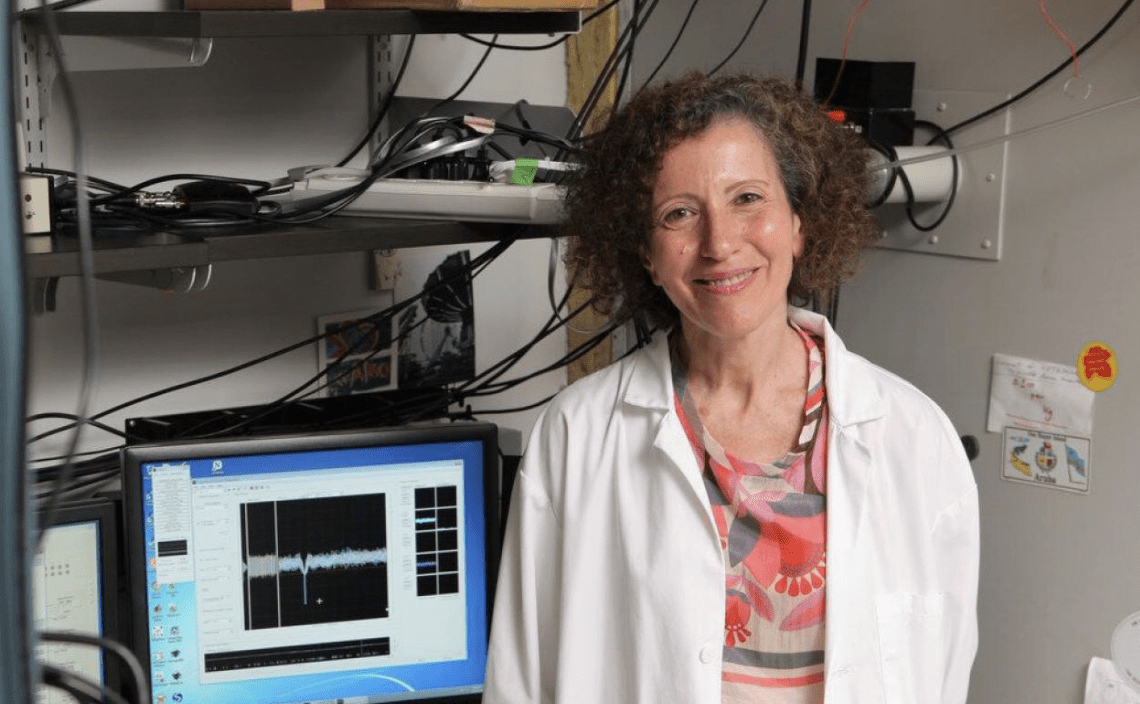
Dr. Gottlieb studies the mechanisms that underlie the brain’s higher cognitive functions, including decision making, memory, and attention. She focuses on how the brain gathers the evidence it needs — and ignores what it doesn’t — during everyday tasks and during special states such as curiosity. Her work in nonhuman primates has helped reveal bridges between perception and action and provides insights relevant to several forms of psychopathology. She completed her PhD in Neurobiology at Yale University and her postdoctoral training at the National Eye Institute before joining the neuroscience faculty at Columbia University in 2001.
Luiz Pessoa, PhD
Professor, Department of Psychology, University of Maryland
Talk Title: “The Entangled Brain: The Integration of Emotion, Motivation, and Cognition”
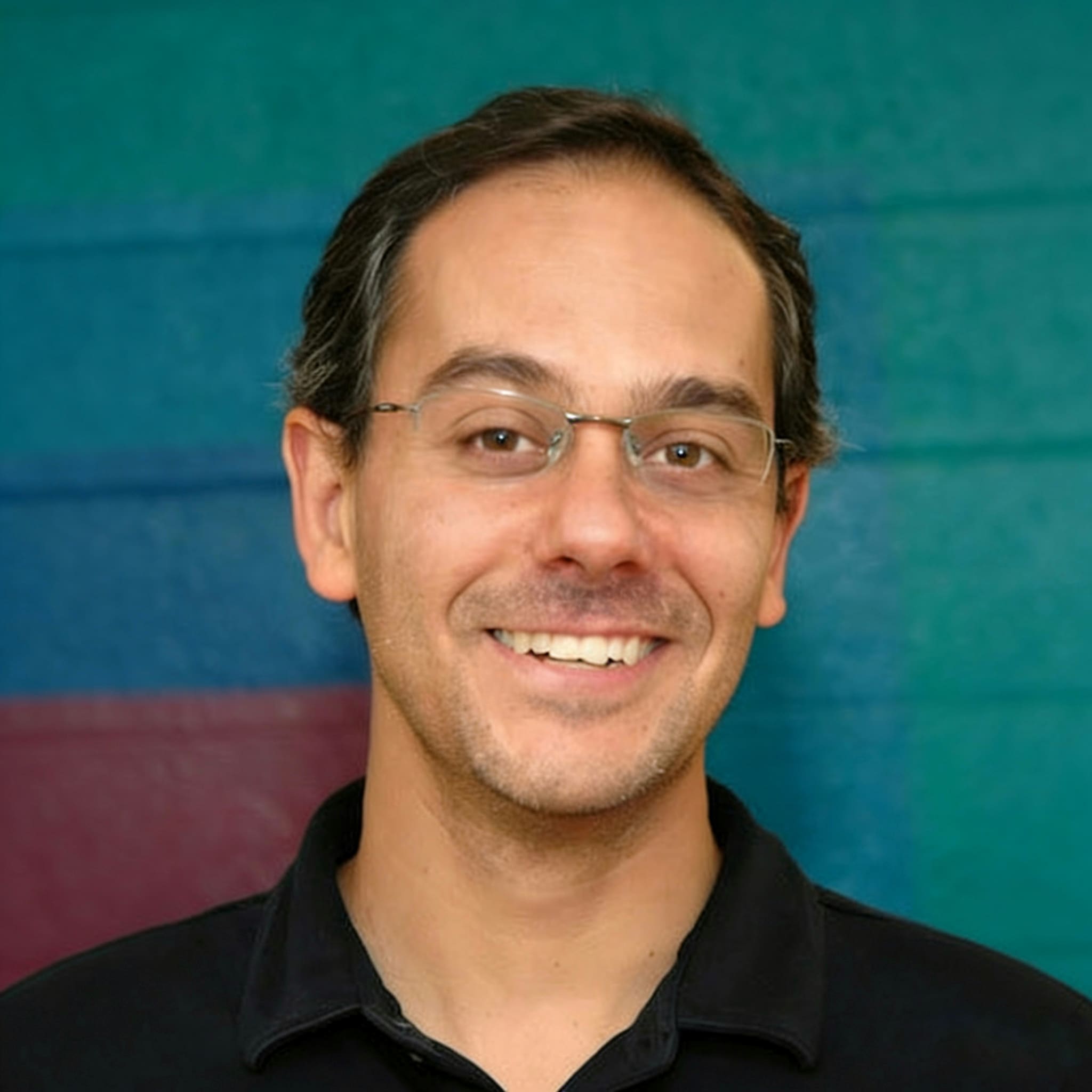
Dr. Pessoa’s research centers around the interactions between cognition and emotion/motivation in the human brain. His work focuses on the highly interactive and modular nature of brain systems. He received an M.Sc. in Computer Engineering from the Federal University of Rio de Janeiro, Brazil and a PhD in computational neuroscience from Boston University. After serving on the faculty at the Federal University of Rio de Janeiro, he returned to the US as visiting fellow at the National Institute of Mental Health before joining the faculty in Psychology at the University of Maryland, College Park, where he also directs the Maryland Neuroimaging Center.
Cognitive and Sensory Neuroscience FAWG
The Cognitive and Sensory Neuroscience Focus Area Working Group (CSN-FAWG) brings together faculty from different Rutgers campuses, schools, and chancellor units, who share research interests in the neural mechanisms underlying sensation and cognitive functions. The investigators in this group have expertise on topics ranging from the molecular basis of pain and sensory transduction to the structure and dynamics of large-scale networks supporting higher cognitive functions such as memory and executive control.

Motivational and Affective Neuroscience FAWG
The Motivational and Affective Neuroscience Focus Area Working Group (MAN-FAWG) brings together faculty and trainees from different campuses, schools, and chancellor units, who share research interests in how motivational and affective processes contribute to health-related outcomes. There are currently two primary areas of expertise encompassed in the MAN-FAWG: addiction and feeding/eating behaviors.