

BHI Plenary Seminar: Dr. Scott Russo Presents Neuroimmune Mechanisms of Depression
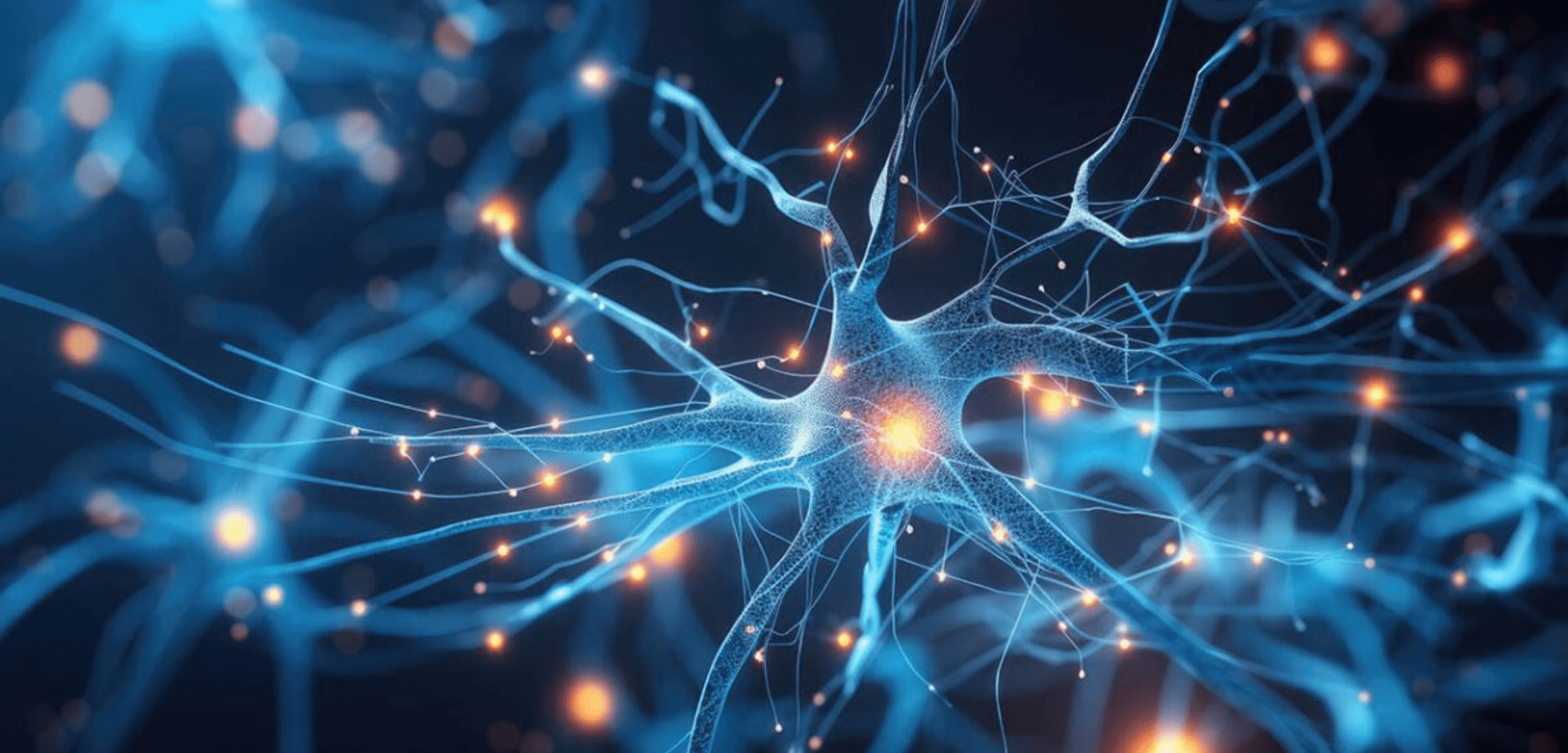
The Rutgers Brain Health Institute (BHI) is delighted to welcome Scott J. Russo, PhD, Professor in the Nash Family Department of Neuroscience and Leon Levy Director of the Brain-Body Research Institute at the Icahn School of Medicine at Mount Sinai, as our distinguished plenary speaker.
Date and time: Thursday, October 1, 2026, 12:00–1:00 PM (ET)
Join via Zoom: Meeting ID: 932 2644 7395 | Passcode: 100126
Location: Center for Advanced Biotechnology and Medicine (CABM), Piscataway, Room 010 on the Busch campus
Dr. Russo’s seminar will examine how chronic psychosocial stress modify the peripheral immune system, and how those changes alter the brain to shape behavior. His research connects to active interests across the BHI community in neuroimmune signaling, neurovascular biology, psychiatric disorders, and translational neuroscience.
Dr. Scott J. Russo
Throughout his career, Dr. Russo has maintained a sustained effort to explain how the brain and body adapt to stress, and what happens when that adaptation fails. He received his Ph.D. in Biological Psychology from the Graduate School and University Center of the City University of New York (2003), then completed his postdoctoral training in psychiatry at the University of Texas Southwestern Medical Center, along with a clinical psychology internship at the same institution. He then joined the faculty of Neuroscience at the Icahn School of Medicine at Mount Sinai as an Assistant Professor in 2008 and was promoted to full Professor of Neuroscience and Psychiatry in 2017. That same year, he became the Director of the Center for Affective Neuroscience at Mount Sinai. In 2020, he was named Endowed Chair, Mount Sinai Professor of Affective Neuroscience, and in 2023, he became the Leon Levy Director of the Brain-Body Research Institute, which he leads today.
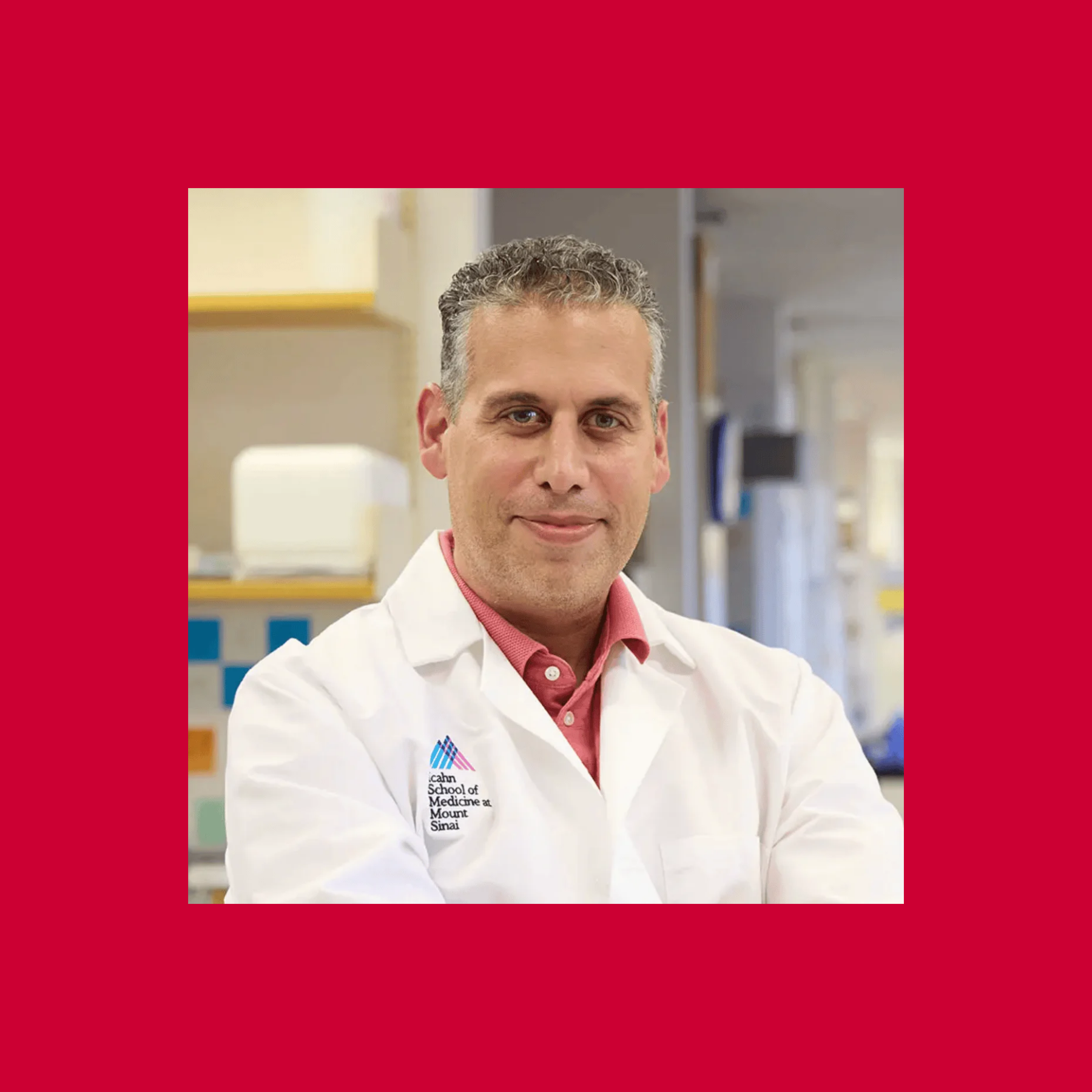
Dr. Russo’s lab combines transgenic models, immune cell isolation and transplantation, optogenetics and electrophysiology, viral-mediated gene transfer, behavioral models, and molecular profiling to study the neural and immunological basis of depression and anxiety. Currently, the lab is involved in many concerted efforts to identify biomarkers of stress, depression, neuroinflammation, and anhedonia. Preclinically, Dr. Russo’s lab has established that chronic social defeat stress reduces the tight junction protein claudin-5 in endothelial cells of the nucleus accumbens, a brain region associated with reward and motivation. When the barrier loosens, interleukin-6 can pass into the nucleus accumbens, which promotes depression-like behavior. Parallel studies in post-mortem human tissues have identified comparable neurovascular pathology in the nucleus accumbens of individuals with depression. His lab also runs a clinical program measuring immune markers in patients with major depressive disorder and linking them to antidepressant treatment resistance and response, reward-related deficits, and exaggerated amygdala responses to threat. Dr. Russo’s lab also maps circuits underlying aberrant social behavior, including basal forebrain projections to the lateral habenula that modulate the rewarding properties of aggression, and lateral septum circuitry that occludes social reward after social trauma. His lab has also worked to close a longstanding gap in the field by establishing a repeated social defeat stress model in female mice and by identifying sex-specific transcriptional signatures in both human depression and rodent stress models.
Dr. Russo’s research is funded by the NIMH, including an R01 examining peripheral immune-derived MMP8 in stress susceptibility, and by private foundations. He has published more than 200 scientific papers, reviews, and chapters, including work in Nature, Science, Nature Medicine, and Nature Neuroscience. His papers have been cited more than 47,000 times (Google Scholar h-index 96). Clarivate has listed him as a Highly Cited Researcher since 2015. His honors include the Daniel H. Efron Research Award from the American College of Neuropsychopharmacology (2019), election as a Fellow of the American College of Neuropsychopharmacology, the Johnson & Johnson/IMHRO Rising Star Translational Research Award, the Irma T. Hirschl/Monique Weill-Caulier Trust Research Award (2013), and selection as a Kavli National Academy of Sciences Frontiers Fellow (2009). He serves on the Scientific Council of the Brain & Behavior Research Foundation. He is also a recognized mentor, having received the Friedman Brain Institute Best Mentor Award (2017) and the Icahn School of Medicine Best Postdoctoral Mentor Award (2012).
Abstract of the Talk: “Neuroimmune Mechanisms of Depression”
Stress-related neuropsychiatric disorders such as major depressive disorder (MDD) and post-traumatic stress disorder (PTSD) carry a high worldwide prevalence and a tremendous individual burden. Effective treatments exist, but more than a third of affected individuals do not reach full remission on available antidepressant medications or established psychotherapies. Exposure to chronic psychosocial stress is one of the most important risk factors for these disorders, so understanding how psychosocial stress acts on the body is central to understanding MDD and PTSD and to developing new treatment and prevention strategies. Communication between the central nervous system and other organ systems, including the immune system, is tightly regulated, and psychosocial stress disrupts it. Chronic stress activates the innate immune system, mobilizing peripheral myeloid cells such as monocytes and driving production of pro-inflammatory cytokines including interleukin-6 (IL-6). In humans, a subset of patients with stress-related neuropsychiatric disorders show chronic low-grade inflammation, with elevated circulating pro-inflammatory cytokines and leukocytosis. The most enduring immune change in these patients, and in mouse chronic stress models, is monocytosis: increased production and egress of monocytes from bone marrow stores. Monocyte levels correlate strongly with quantitative measures of stress, which suggests they are dynamically regulated. Recent work from Dr. Russo’s group identified a population of stress-responsive neurons that project to and innervate the bone marrow to control monocytosis; activating this circuit raises circulating monocytes and their trafficking to target tissues. Stress also disrupts the endothelial blood-brain barrier, allowing greater entry of circulating proteins directly into brain reward regions such as the nucleus accumbens. How these stress-induced peripheral immune changes go on to alter neuronal function and behavior remains largely unresolved. Dr. Russo will present recent data in both mice and humans supporting a model in which peripheral immune cells interface with the brain at the neurovascular unit to control brain circuit function and behaviors relevant to depression and anxiety.
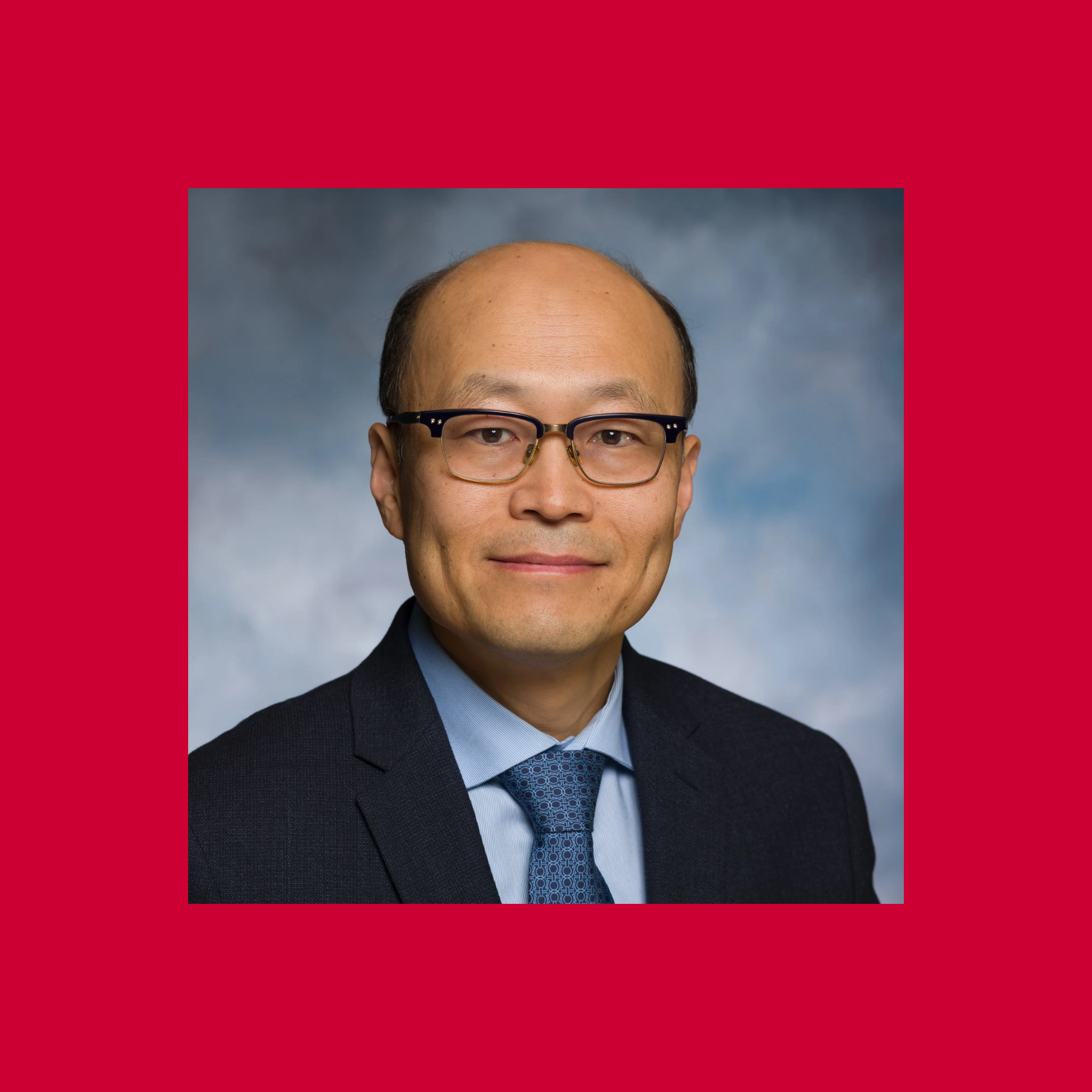
Dr. Yong Kim
Dr. Yong Kim, Associate Professor in the Department of Neurosurgery at Robert Wood Johnson Medical School and a BHI Core Member, invited Dr. Russo as a pioneer in dissecting the neuroimmune mechanisms of mood and psychiatric disorders. Dr. Kim notes that neuroimmune and neurovascular dysfunction are critical intersection points across multiple psychiatric and neurological conditions. Dr. Russo’s multi-scale work at the molecular, circuit, and behavioral levels complements our institutional strengths in neurovascular biology, neuroimmune research, and translational neuroscience across the Rutgers BHI community. Dr. Kim hopes trainees and faculty will leave with fresh conceptual frameworks, systems-level approaches, and deeper insight into how neuroimmune signaling drives complex brain disorders.
Dr. Russo says that he is thrilled to present his lab’s latest findings to such a diverse and vibrant neuroscience community. He looks forward to connecting with Rutgers faculty and trainees, exchanging ideas, and sparking new collaborations within one of the country’s most dynamic research environments.
The Rutgers Brain Health Institute, through its plenary seminar series, fosters collaborations that drive discoveries in psychiatric disorders, affective neuroscience, and brain-body communication, empowering the next generation of researchers to translate insights into transformative approaches. Explore our mission, ongoing projects, and engagement opportunities.
Support the Rutgers Brain Health Institute
The Rutgers Brain Health Institute unites neuroscientists from across Rutgers to advance research, training, and public understanding of brain health, from basic mechanisms through clinical translation.
