

Healthy Brains Start at Home: A Toolkit to Manage Family Screen Time
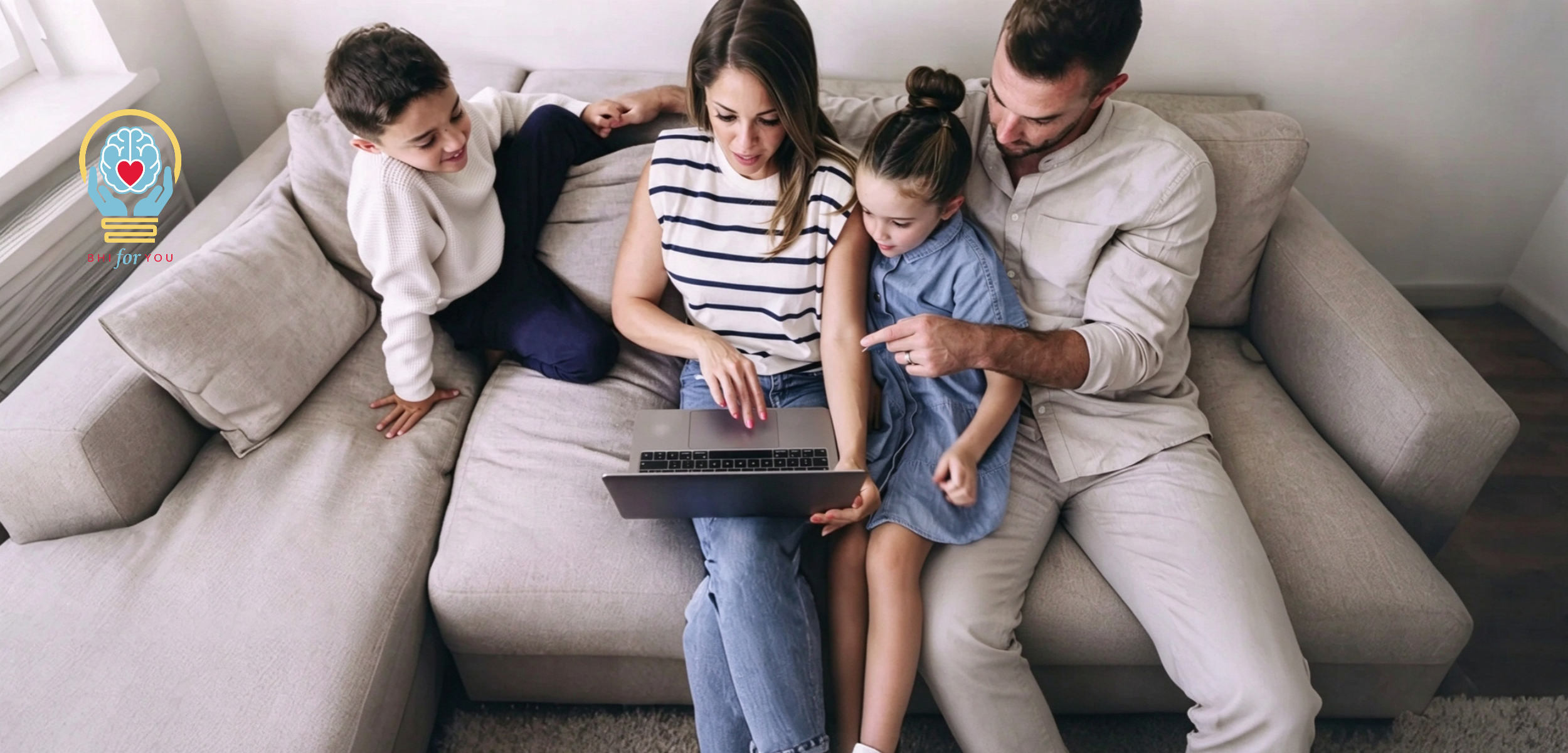
Practical research-vetted advice and tools for planning family screen time that protects sleep, movement, connection, and free play — everyday experiences that help build healthy brains.
Based on our recent article and aligned with guidance from the World Health Organization (WHO), the American Academy of Pediatrics (AAP), and the American Academy of Child and Adolescent Psychiatry (AACAP).
Intentional Over Rigid: A Balanced Approach to Screens
Screens are an integral part of modern childhood. They can support learning, creativity, and connection. Problems arise when screen use displaces sleep, physical activity, face-to-face conversation, and free play — the everyday experiences that help build healthy brains. Technology itself is not inherently good or bad; rather parents and guardians should recognize the pros and cons and intentionally choose content and contexts that support brain development while protecting rest, movement, real-world connection, and unstructured play.
Rather than aiming for zero screens, families benefit from protecting a few high-value parts of the day. Small, consistent changes tend to work better than rigid rules that are hard to sustain.
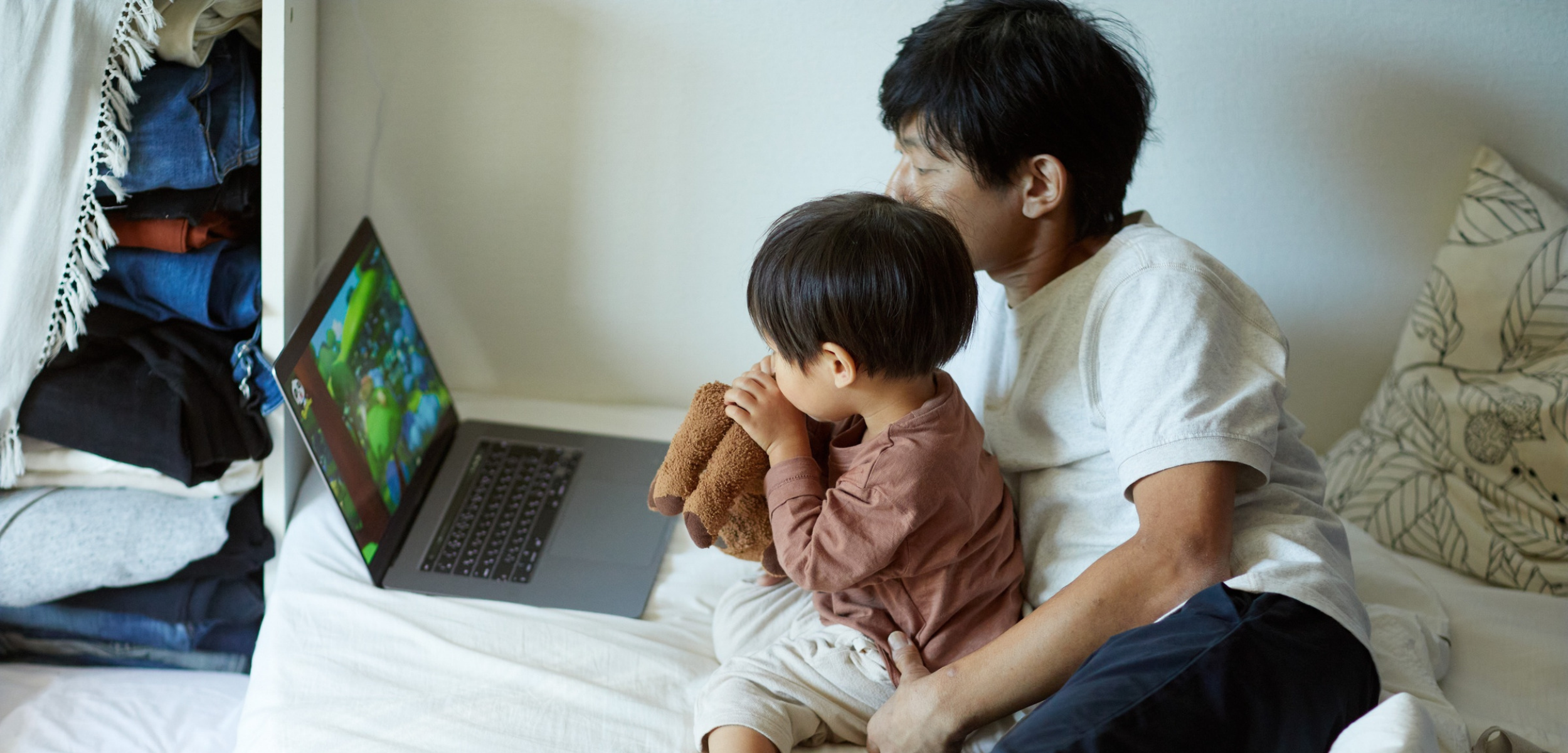
Reference Guide: WHO Screen Time Guidelines by Age
To grow up healthy, children need to sit less and play more. Understanding developmental limits helps set realistic expectations for early childhood:
- Infants (Under 1 Year): Sedentary screen time is not recommended. When infants are sedentary, caregivers are encouraged to engage them in reading and storytelling.
- Toddlers (1 to 2 Years): Sedentary screen time should be avoided or kept to no more than 1 hour (less is better). Co-viewing and active engagement are vital.
- Preschoolers (3 to 4 Years): Sedentary screen time should be restricted to no more than 1 hour daily.
- Quality & Alternatives: When children are sitting, prioritize interactive reading, storytelling, puzzles, and creative play over solo passive scrolling. Furthermore, young children should not be physically restrained (in highchairs or strollers) for more than 1 hour at a time without movement breaks.
The 5 Practical Pillars
- One Device-Free Pocket: Create one consistent device-free time each day. Family dinners are a realistic, high impact starting point. This single habit protects face-to-face conversation and connection without requiring a total screen ban.
- Prioritize Sleep & Movement: Sleep and outdoor or active time deliver the largest returns for brain development, mood, and physical health. Protect these first—they are the activities screens most easily displace.
- Favor Shared / Co-Viewed Time: Especially with younger children, shared screen time is far more valuable than long stretches of solo scrolling. Co-viewing turns media into a conversation and learning opportunity.
- Focus on What Screens Replace: Pay more attention to what screens are displacing (talk, play, movement, rest, and storytelling) than to exact minute counts. Context and quality matter more than a rigid timer.
- Model the Habits You Want: Children notice adult device use. Reducing parental smartphone and tablet time during interactions supports language development and attachment. Your example is one of the strongest tools you.
Talk First: A Quick Family Huddle
Before filling out the agreement, take 5–10 minutes to chat as a family. Instead of focusing on restrictions, ground the conversation in what your family values:
- What do we want more? (More outdoor play, calm evenings, deep sleep, great conversations?)
- What gets pushed aside when screens take over?
- How can screens help us learn, create, or stay connected with people we care about?
Keep the tone collaborative and low-pressure. Younger children need simple language; older kids love having a real voice and can help shape the actual rules. Shared ownership always works better than a top-down contract. Revisit this conversation whenever you update your agreement.

Optional Tools to Monitor & Restrict Screen Time
Once the family agreement is in place, built-in device features and a few simple tools can help protect the boundaries without constant reminders.
Start with what is already on the devices:
- Apple: Screen Time (App Limits, Downtime, Family Sharing)
- Android: Digital Wellbeing + Google Family Link
- Windows/Xbox: Microsoft Family Safety
These let you set daily limits, scheduled downtime, app approvals, and weekly reports. Third-party parental-control apps can add stronger cross-device blocking or content filters when the built-in options are not enough.
Treat any tool as temporary support for the habits in the five pillars—not the main strategy. Review settings together so children understand the purpose and loosen the controls as self-regulation grows.
References
- World Health Organization. Guidelines on physical activity, sedentary behaviour and sleep for children under 5 years of age. 2019.
- American Academy of Pediatrics. Media and Young Minds / Screen Time Guidance.
- American Academy of Child and Adolescent Psychiatry. Screen Time and Children.
- Screen Time and Young Brains: What the Latest Research Really Means for Parents.
- Boomerang Parental Control. Apps That Monitor Screen Time: A Parent’s Guide. https://useboomerang.com/article/apps-that-monitor-screen-time/
- The High Tech Society. How to Monitor Screen Time on Any Device. https://thehightechsociety.com/how-to-monitor-screen-time/
- Healthline. 8 Tips for Reducing Screen Time. https://www.healthline.com/health/how-to-reduce-screen-time
- PapZone. How to Monitor and Limit Screen Time for Teenagers. https://www.papzone.com/article/how-to-monitor-and-limit-screen-time-for-teenagers
BHI Toolkits
Discover Rutgers Brain Health Institute Toolkits, offering evidence-based resources to support brain health, emotional resilience, and mental wellness for everyday life and challenging times. Developed by the BHI, these practical guides address seasonal mood shifts, post-holiday adjustment, mental health challenges, and more using insights from cutting-edge neuroscience.
