

FDA Clears Fourth New Blood Test to Diagnose Alzheimer’s
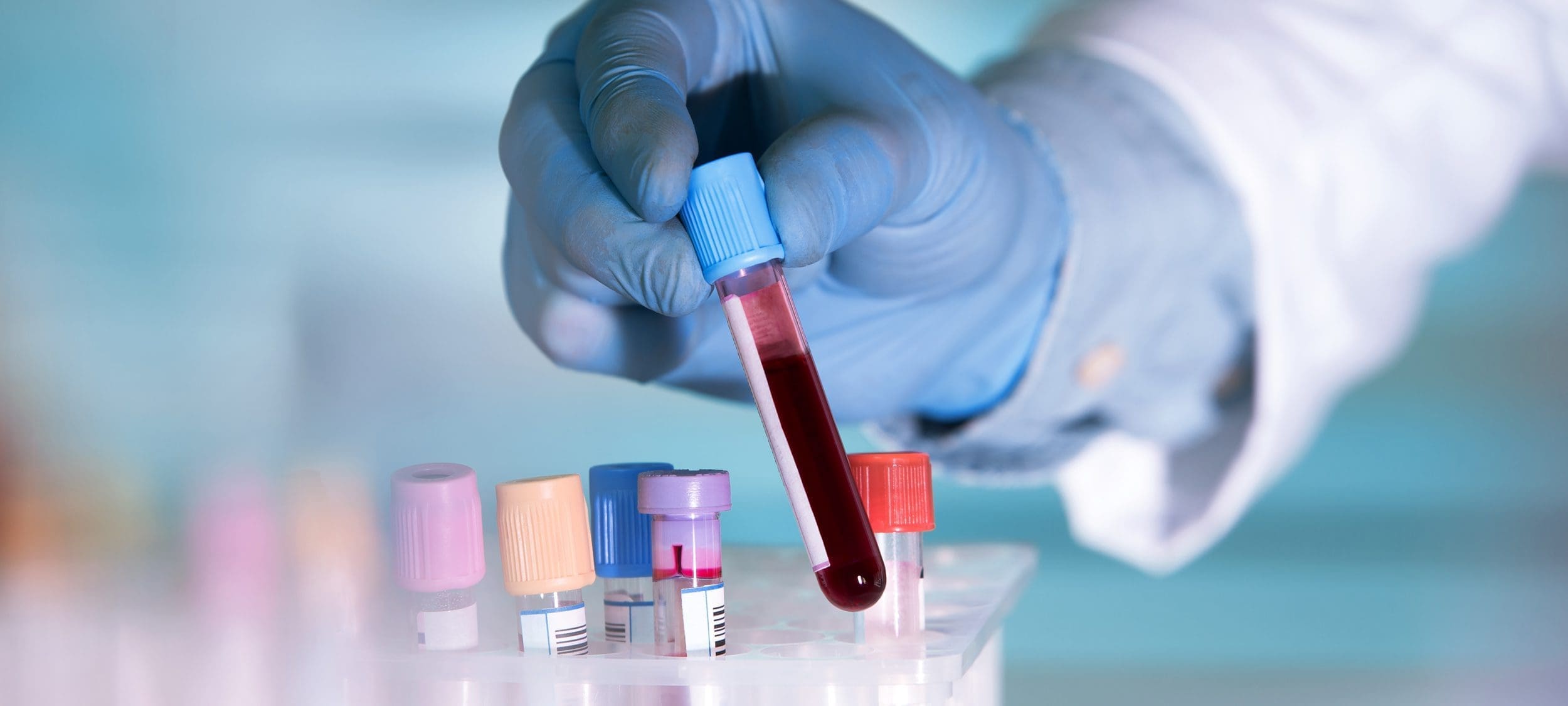
The recent FDA clearance of Roche and Eli Lilly’s Elecsys pTau217 blood test for Alzheimer’s diagnosis is more than just another regulatory milestone. It is the latest chapter in a remarkably swift transformation of how Alzheimer’s disease is detected. Just over a year ago, there were no FDA-cleared blood tests for the condition. Today there are four—each adding a new layer of accessibility, precision, and clinical utility.
In May 2025, with Fujirebio’s Lumipulse G test, the first blood biomarker assay for Alzheimer’s diagnosis was cleared by the FDA. By measuring the ratio of pTau217 to beta-amyloid 1-42, it offered clinicians a far less invasive way to assess the presence of amyloid plaques, the hallmark pathology long confirmed only through expensive PET scans or spinal taps. In October 2025, Roche and Eli Lilly followed with the Elecsys pTau181 assay, primarily designed to help primary-care physicians rule out Alzheimer’s-related changes and reduce unnecessary specialist referrals. In August 2026, C2N Diagnostics’ PrecivityAD2 became the third clearance—and the first available for symptomatic adults as young as 40—using high-resolution mass spectrometry to analyze multiple amyloid and tau ratios. Only days later, on August 24, the FDA cleared the Elecsys pTau217, a single-biomarker test capable of both ruling in and ruling out amyloid pathology with the same validated cutoffs across primary and specialty care settings.
Practical access is expected to improve quickly. The new pTau217 test can already be run on more than 4,500 Roche laboratory analyzers installed across the United States, and both Labcorp and Quest Diagnostics have announced plans to offer it through their networks. Roche has not disclosed the price.
Together, these four tests represent a genuine leap forward. A simple blood draw can now provide meaningful information about the biological changes associated with Alzheimer’s, potentially allowing more patients to receive answers earlier and with less burden. Amyloid plaques—the sticky protein deposits that trigger inflammation and disrupt communication between neurons—can begin accumulating decades before memory loss appears, sometimes even in people’s 30s and 40s. Early detection therefore opens doors to clinical trials, emerging treatments, and the chance for individuals and families to plan with greater clarity.
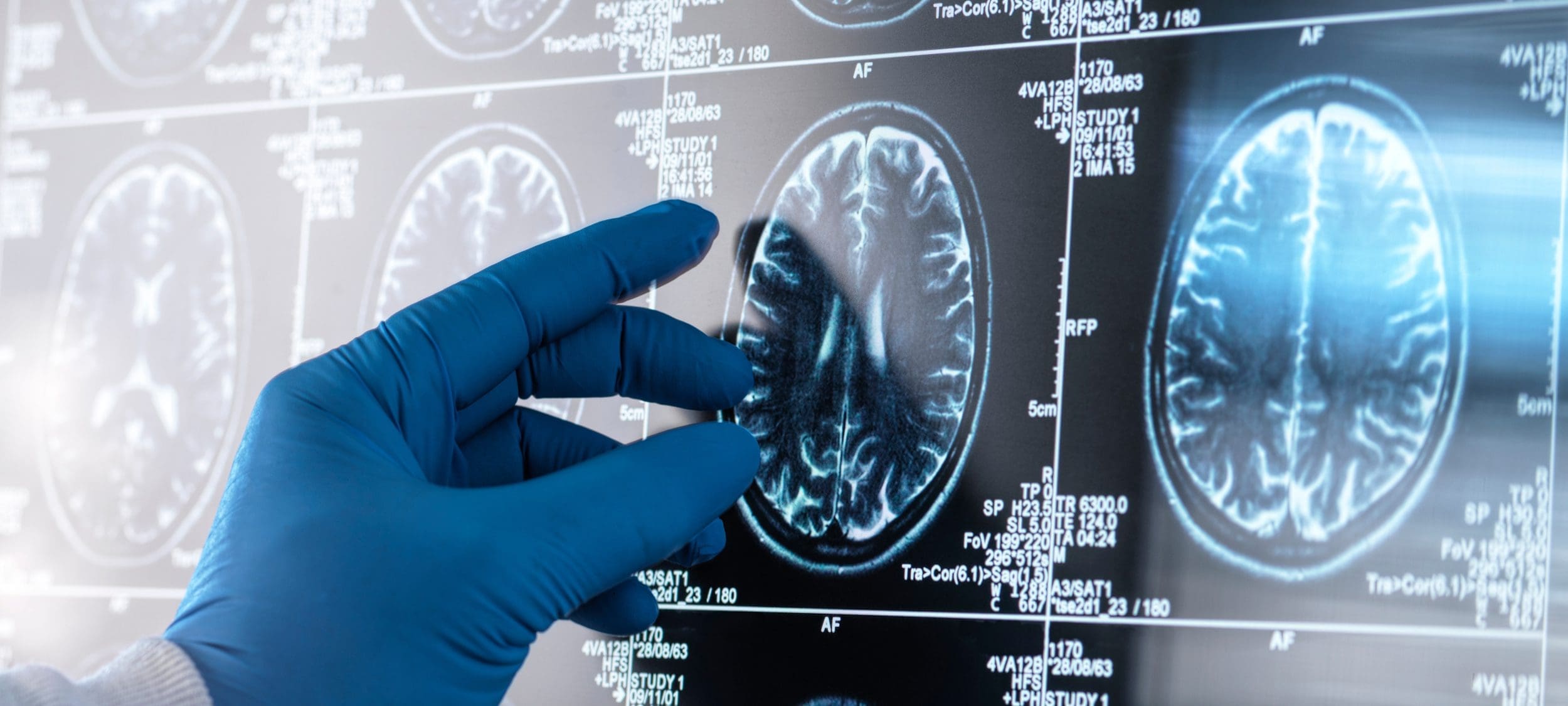
Yet these advances come with important caveats. None of the tests are intended as a standalone diagnosis; results must always be interpreted alongside a full clinical evaluation. Experts are clear that blood tests should not be used in people without symptoms until proven disease-modifying therapies for asymptomatic individuals become available. Sample-handling issues or other medical conditions, such as kidney problems or viral illnesses, can further complicate interpretation. For this reason, he and others prefer using these assays more as tools to monitor how patients respond to treatment and lifestyle changes rather than relying on any single test in isolation.
The broader picture also includes prevention. Research now suggests that up to 45 percent of dementia cases may be preventable through lifestyle interventions—exercise, diet, social engagement, cognitive training, and careful management of vascular and metabolic risk factors. Blood tests that track amyloid and tau biology may eventually help clinicians see whether these interventions are making a measurable difference.
Still, the speed of progress is striking. In a field long constrained by diagnostic barriers, the arrival of four FDA‑cleared blood tests in just fifteen months signals a new era of accessibility. The challenge now is ensuring these tools are thoughtfully integrated into clinical judgment, paired with lifestyle and risk‑factor management, and continually refined through research. If that happens, what began as a single diagnostic breakthrough in 2025 may ultimately reshape the experience of Alzheimer’s for millions of patients and families.
