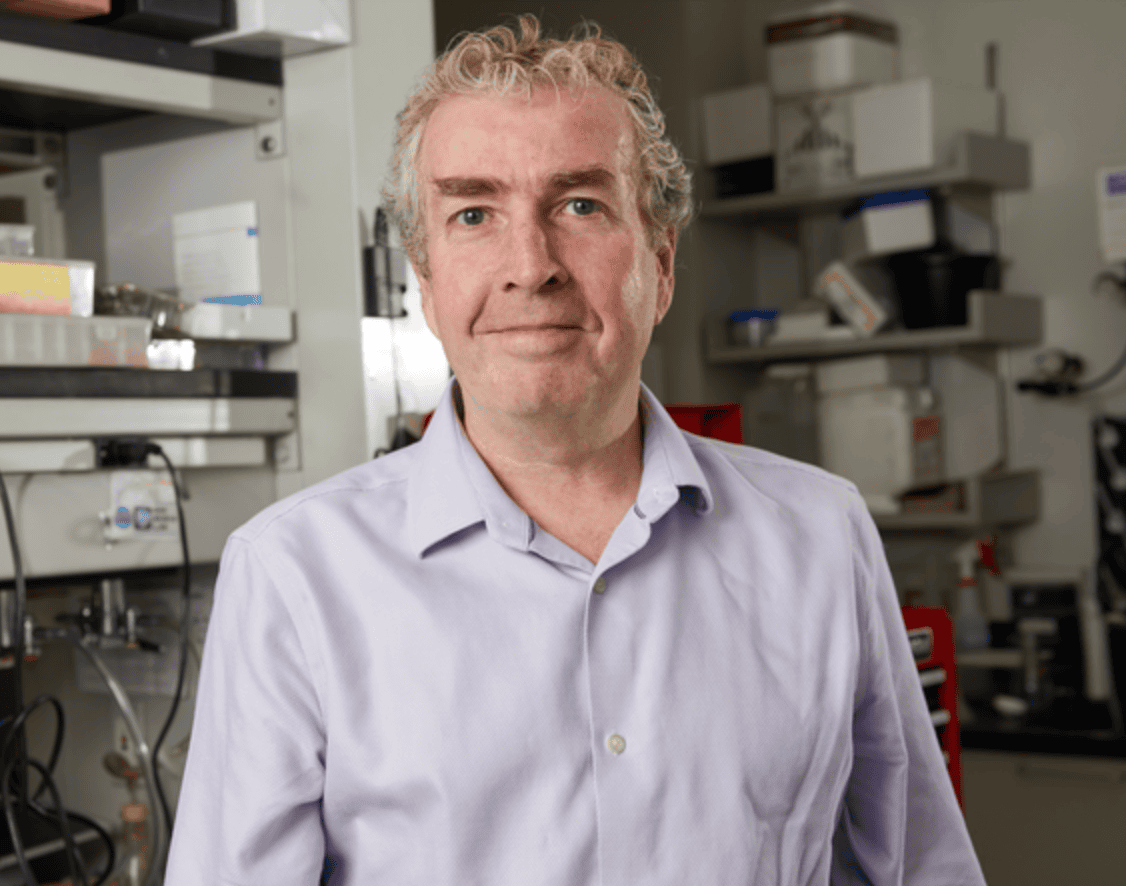
Rutgers Brain Health Institute Plenary Seminar Series 2026-2027
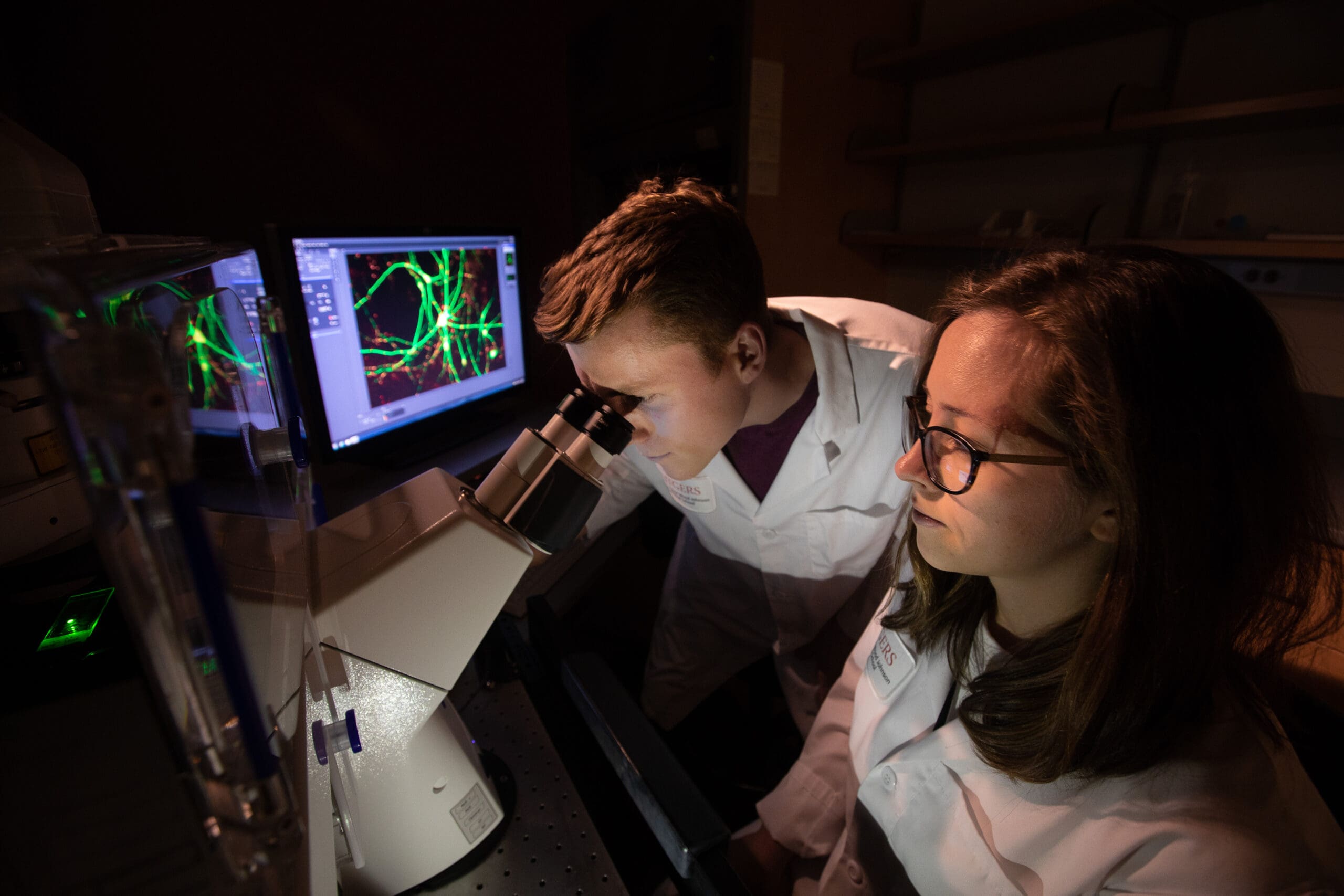
Fall 2026
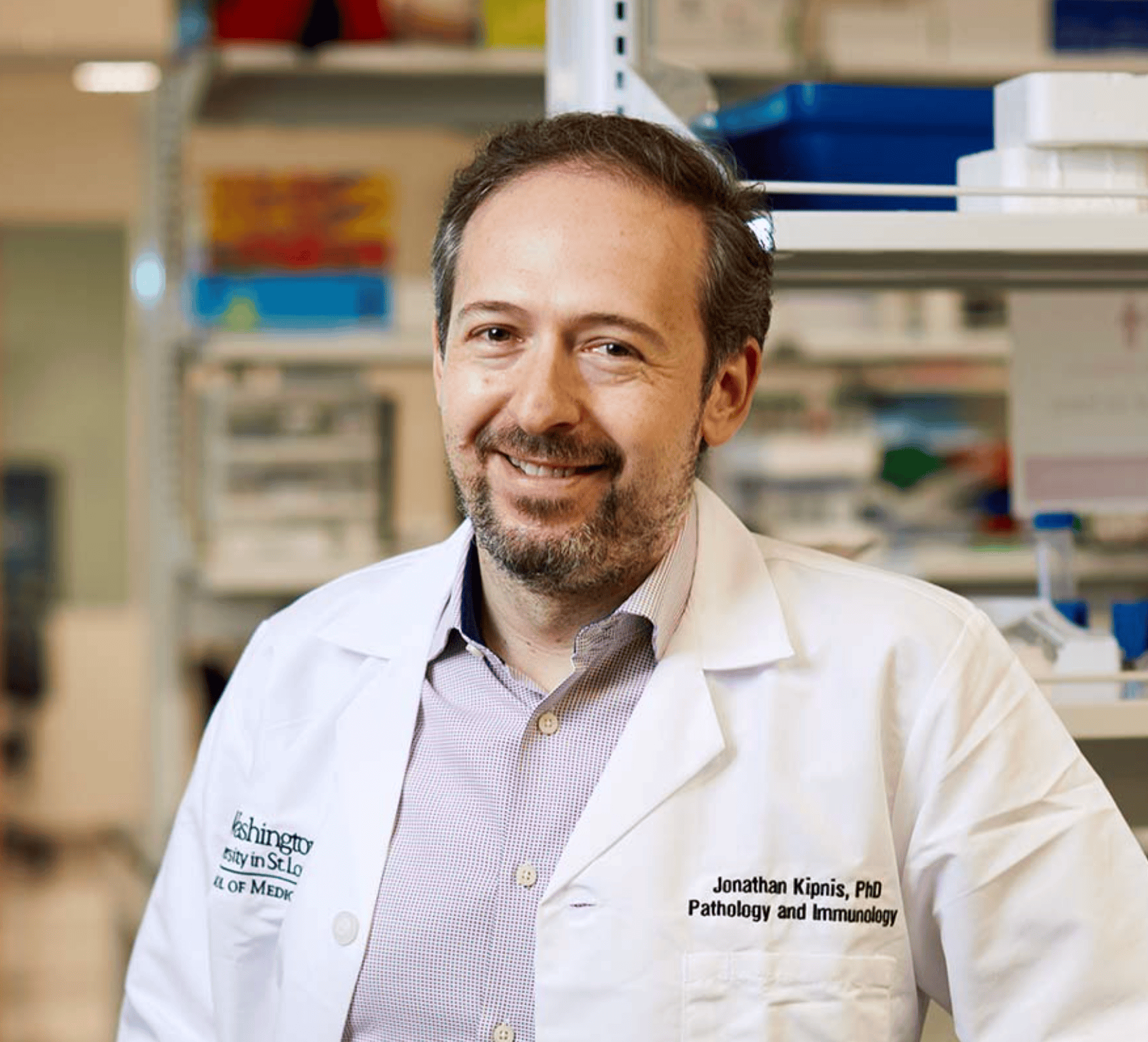
Jonathan Kipnis, PhD
BJC Investigator, Alan A. and Edith L. Wolff Distinguished Professor of Pathology and Immunology, Washington University in St. Louis
September 17, 2026
Dr. Kipnis focuses on the complex interactions between the immune system and the central nervous system to elucidate the cellular and molecular mechanisms underlying these interactions in neurodegenerative, neurodevelopmental, and mental disorders as well as in physiology (including healthy aging).
Hosted by Mi-Hyeon Jang, PhD & Max Tischfield, PhD (Neurosurgery/RWJMS)
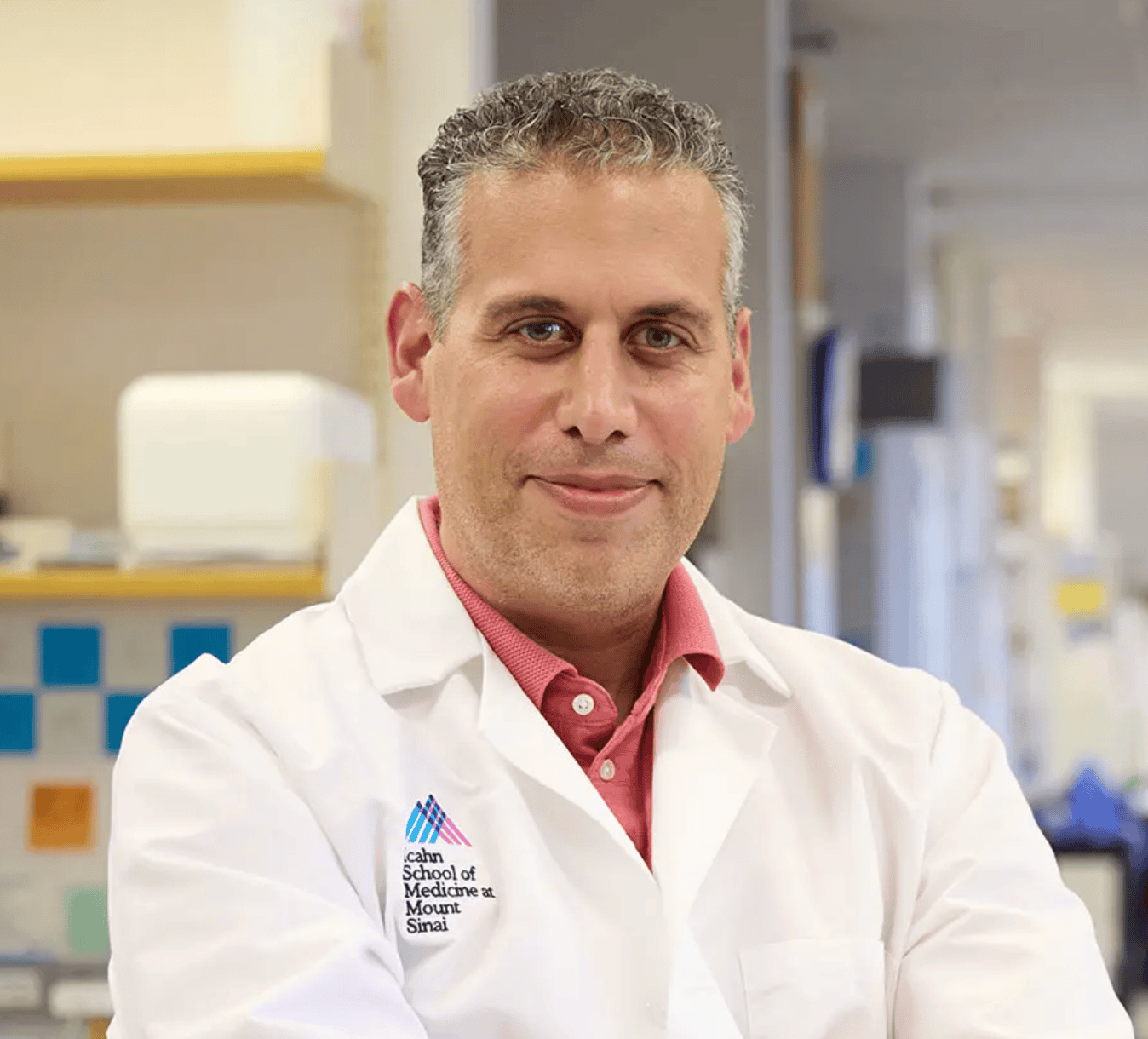
Scott J. Russo, PhD
Professor of Neuroscience, Director of the Center for Affective Neuroscience and the Brain Body Research Center, Icahn School of Medicine at Mount Sinai
October 1, 2026
Dr. Russo’s lab studies the neural and immunological mechanisms of neuropsychiatric disorders such as depression and anxiety to understand how the brain and body adapts to stress to control pathological behaviors in depression and anxiety.
Hosted by Yong Kim, PhD (Neurosurgery/RWJMS)
Alain Dagher, MD, PhD
Associate Professor, Department of Psychology, McGill University
November 19, 2026
Dr. Dagher specializes in movement disorders and functional brain imaging. His research aims at understanding the function of the basal ganglia, with a particular emphasis on appetitive behaviours. This involves studying how we learn about rewards and punishments, and become motivated to engage in reward-seeking behaviour.
Hosted by Travis Baker, PhD (Center for Molecular and Behavioral Neuroscience, Rutgers-Newark)
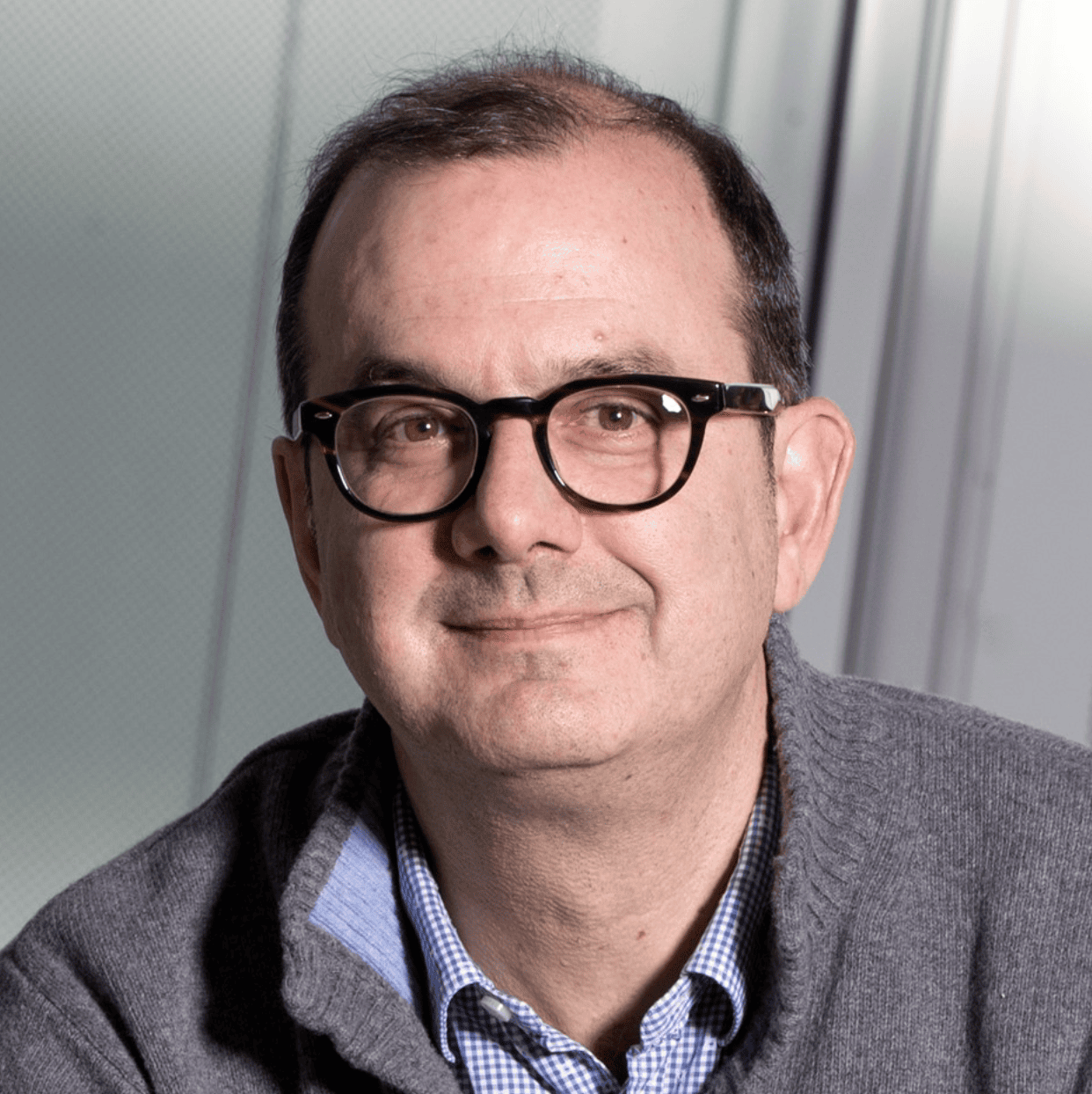
Lin Tian, PhD
Scientific Director, Max Planck Florida Institute
December 10, 2026
Dr. Tian’s lab focuses on technological innovation and interdisciplinary collaboration to uncover the connection between brain function and behavior in healthy and diseased states, such as neurological and psychiatric disorders.
Hosted by Miriam Bocarsly, PhD (Pharmacology, Physiology and Neuroscience/NJMS)
Spring 2027
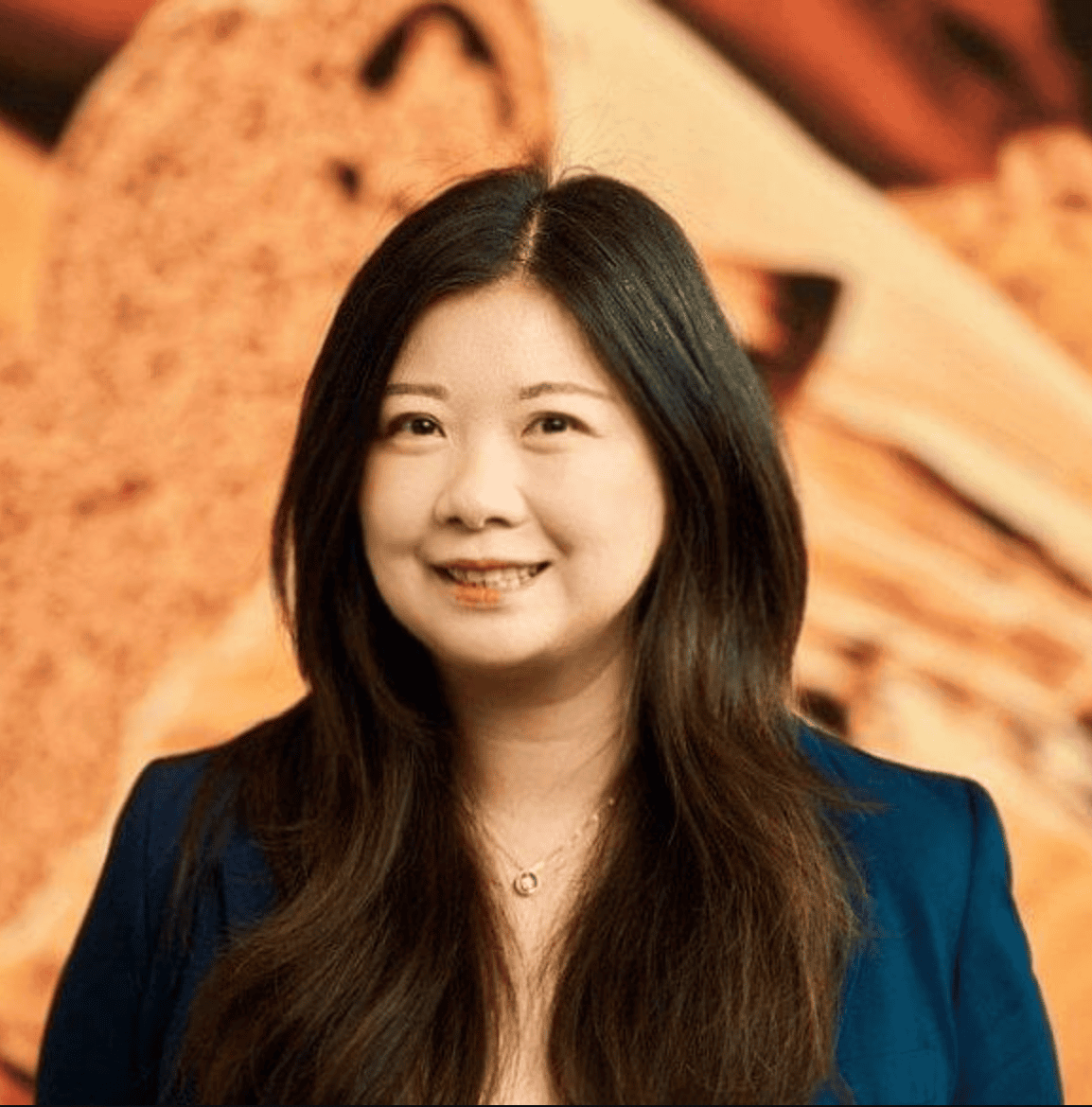
Guo-Li Ming, MD, PhD
Perelman Professor of Neuroscience, University of Pennsylvania
February 4, 2027
Research in Dr. Ming’s laboratory centers on understanding molecular mechanisms underlying neurodevelopment and how its dysregulation may contribute to developmental neurological disorders. The lab uses a combination of experimental approaches that include molecular biology, biochemistry, mouse genetics, imaging, electrophysiology, electron microscopy, optogenetic manipulations, next generation sequencing, and behavioral tests to study neural development.
Hosted by Mi-Hyeon Jang, PhD (Neurosurgery/RWJMS)
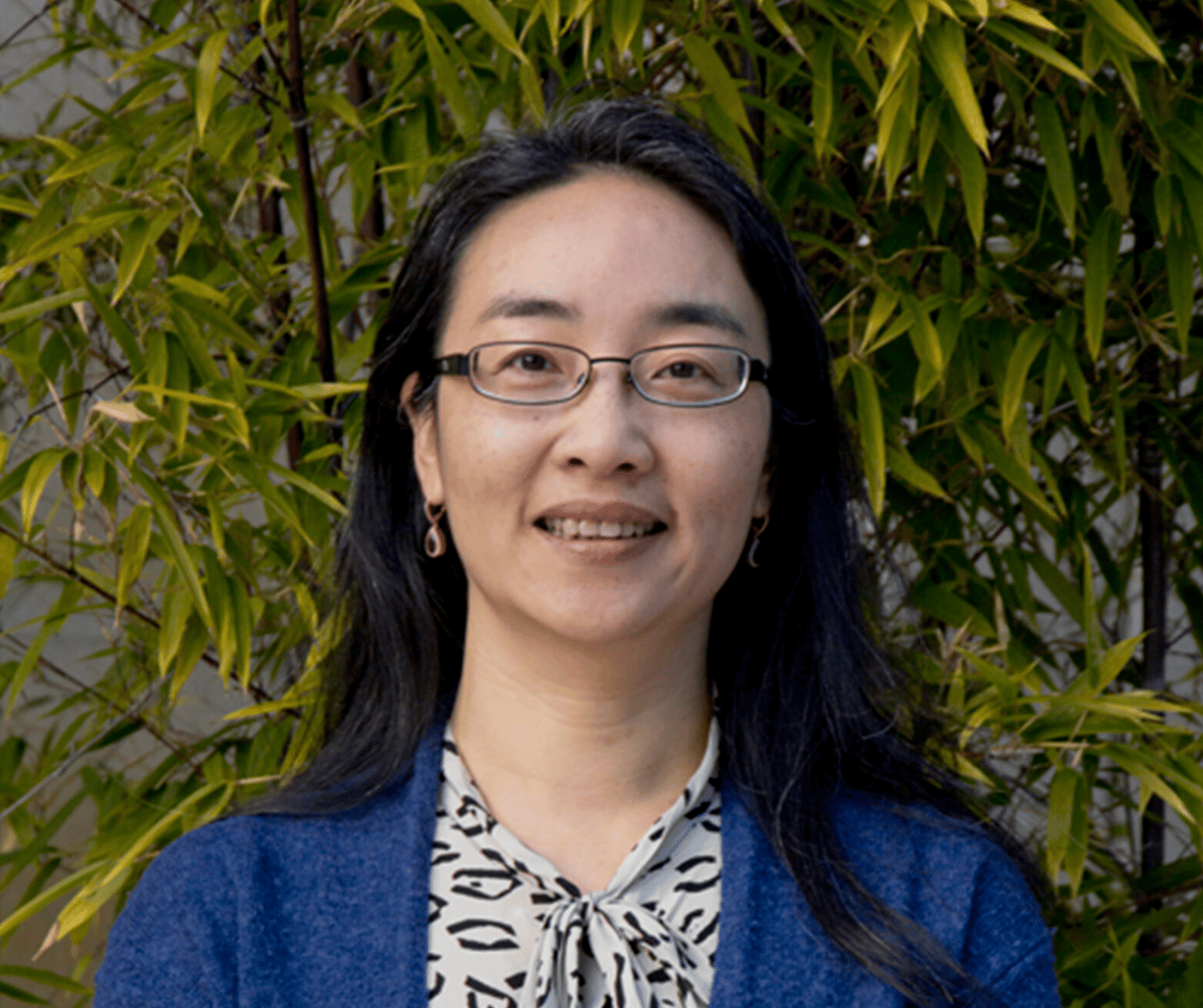
David Ginty, PhD
Edward R. and Anne G. Lefler Professor of Neurobiology and Department Chair
Department of Neurobiology, Harvard Medical School
Investigator, Howard Hughes Medical Institute
March 5, 2027
Using a range of advanced tools, the Ginty Lab is able to map how signals from the skin travel through the nervous system to encode touch perception. These circuits are what allow us to differentiate between textures, temperatures, and levels of pressure. Understanding how they develop and function provides insight into conditions such as chronic pain or autism, in which touch feels painful or becomes overwhelming.
Hosted by Mi-Hyeon Jang, PhD & Victoria Abraira, PhD (Neurosurgery/RWJMS)
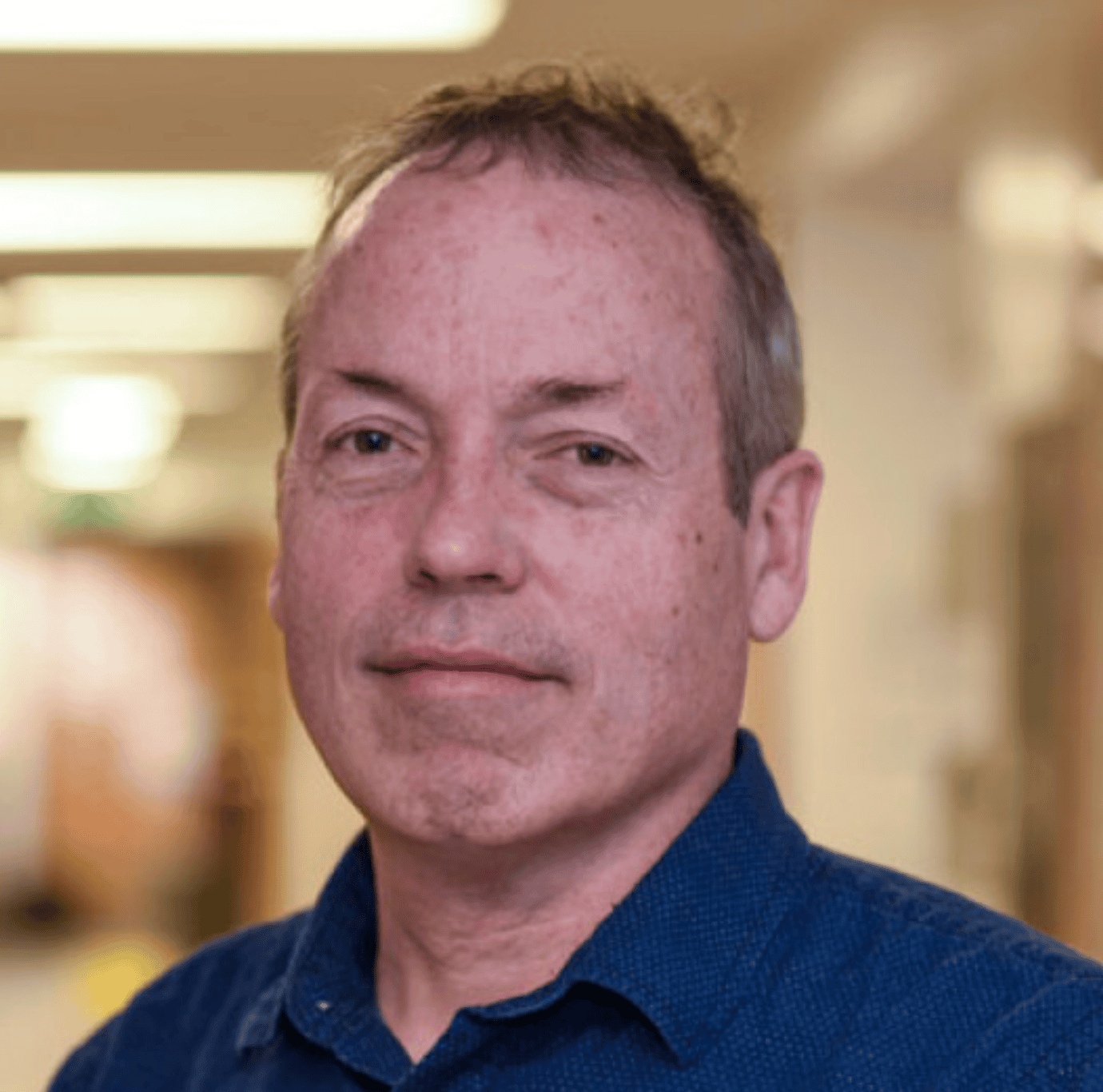
Malu G. Tansey, PhD
James A. Caplin, M.D. Professor of Alzheimer’s Research, Professor of Neurology, Adjunct Professor of Microbiology & Immunology, Indiana University School of Medicine
April 22, 2027
Dr. Tansey’s lab focuses on the role of inflammation and immune system responses in brain health and neurodegenerative disease, with particular focus on central-peripheral neuroimmune crosstalk and the gut-brain axis. The long-term goal of the lab is to develop better therapies to prevent and/or delay these diseases.
Hosted by Pingyue Pan, PhD (NCB/RWJMS)
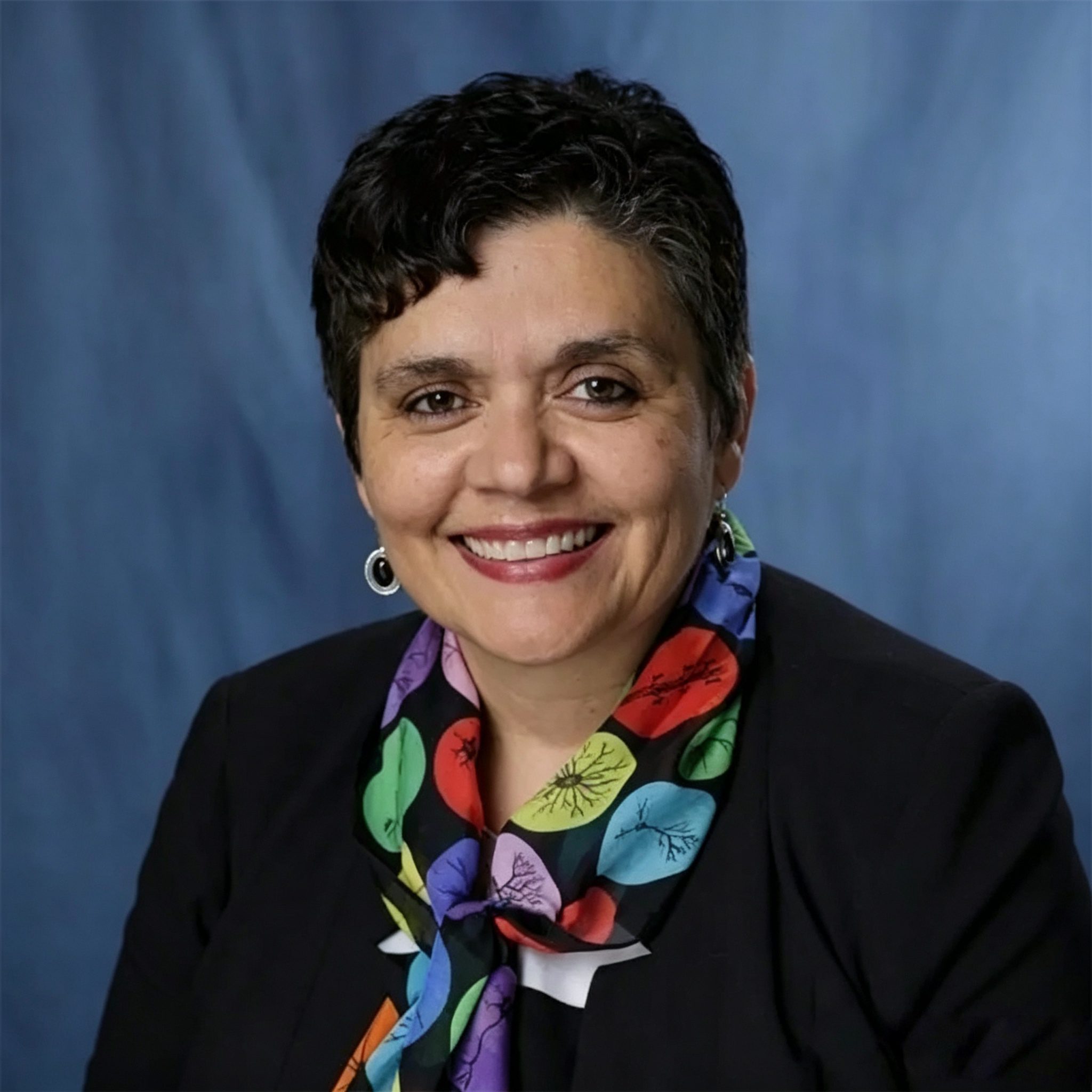
Ryohei Yasuda, PhD
Scientific Director, Max Planck Florida Institute
May 6, 2027
Dr. Yasuda’s research focuses on synaptic plasticity, the ability of synapses to change their connection strength. This process is thought to underlie learning and memory. Cascades of biochemical reactions in dendritic spines, tiny (~0.1 femtoliter) postsynaptic compartments emanating from dendritic surfaces, trigger diverse forms of synaptic plasticity. The Yasuda lab aims to elucidate some of the operation principles of such signaling networks in dendritic spines using various optical techniques.
Hosted by Huaye Zhang, PhD (Neuroscience and Cell Biology/ RWJMS)
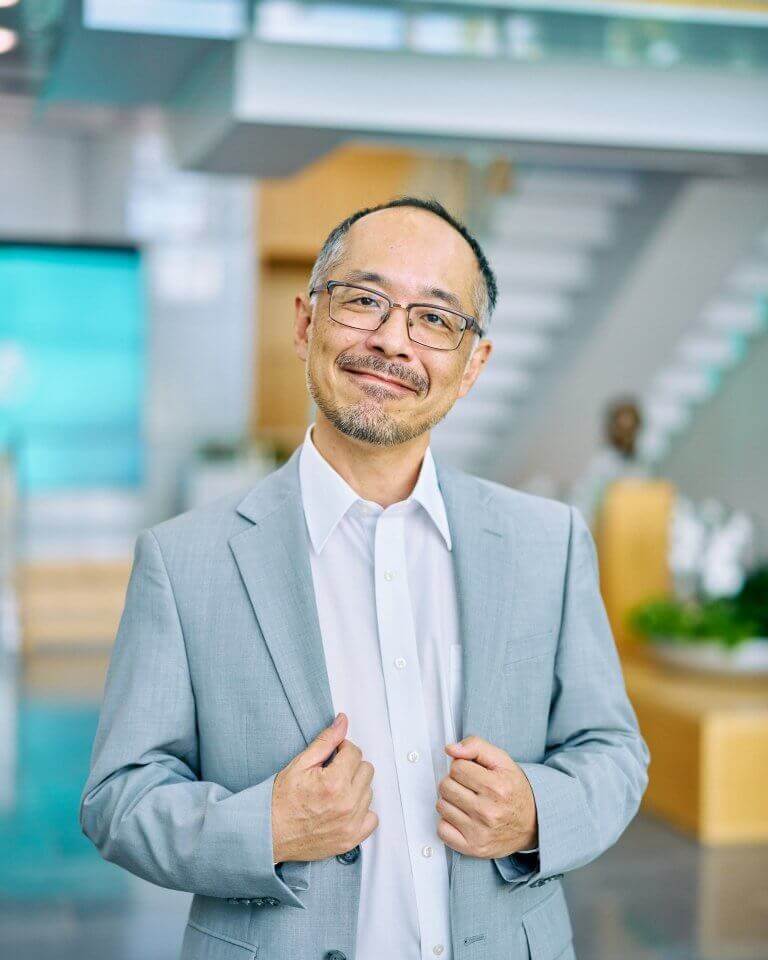
Past Seminars
Robert Gereau, PhD
Vice Chair for Research; Division Chief, Washington University Pain Center; Dr. Seymour & Rose T. Brown Professor of Anesthesiology, Washington University in St. Louis
May 7, 2026
Talk Title: “Rethinking translational pain research: Studies of human tissues for identification and validation of therapeutic targets”
Dr. Gereau’s lab utilizes a combination of behavioral studies, patch-clamp electrophysiology, optogenetics, in vivo imaging, and molecular and genetic approaches to understand the signaling pathways involved in nervous system plasticity that underlie pain sensitization.
Hosted by Yuanxiang Tao, MD, PhD & Huijun Hu, PhD (Anesthesiology/NJMS)
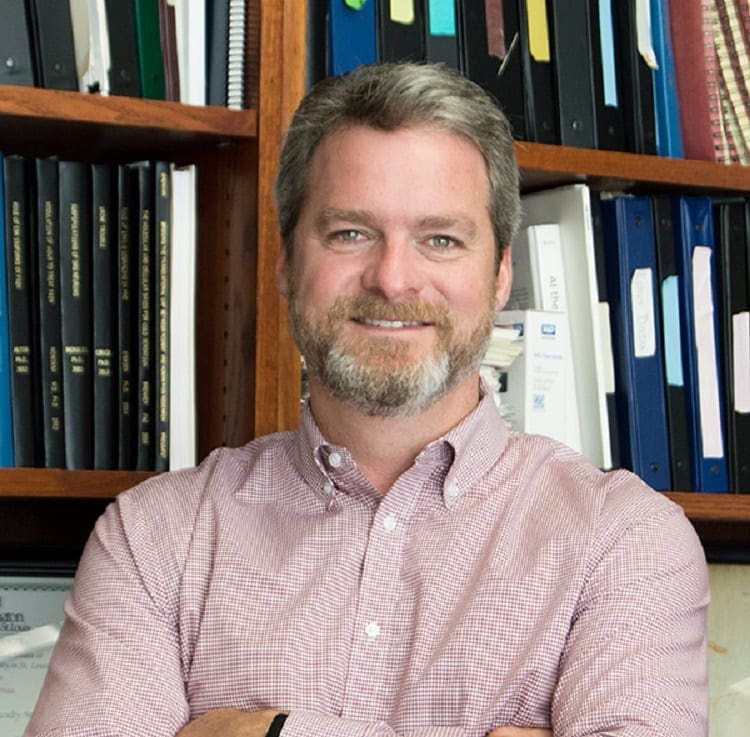
Xiongwei Zhu, PhD
Professor of Pathology and Neurology; Director, Molecular and Cellular Basis for Disease Training Program, Case Western Reserve University
April 16, 2026
Talk Title: “Abnormal Mitochondrial Dynamics As a Therapeutic Target for Alzheimer’s Disease”
Dr. Zhu’s research investigates the neurodegenerative mechanisms underlying Alzheimer’s disease, identifying oxidative stress and cell cycle–related abnormalities as early drivers of disease progression.
Hosted by Ying Xu, MD, PhD (Anesthesiology/NJMS)
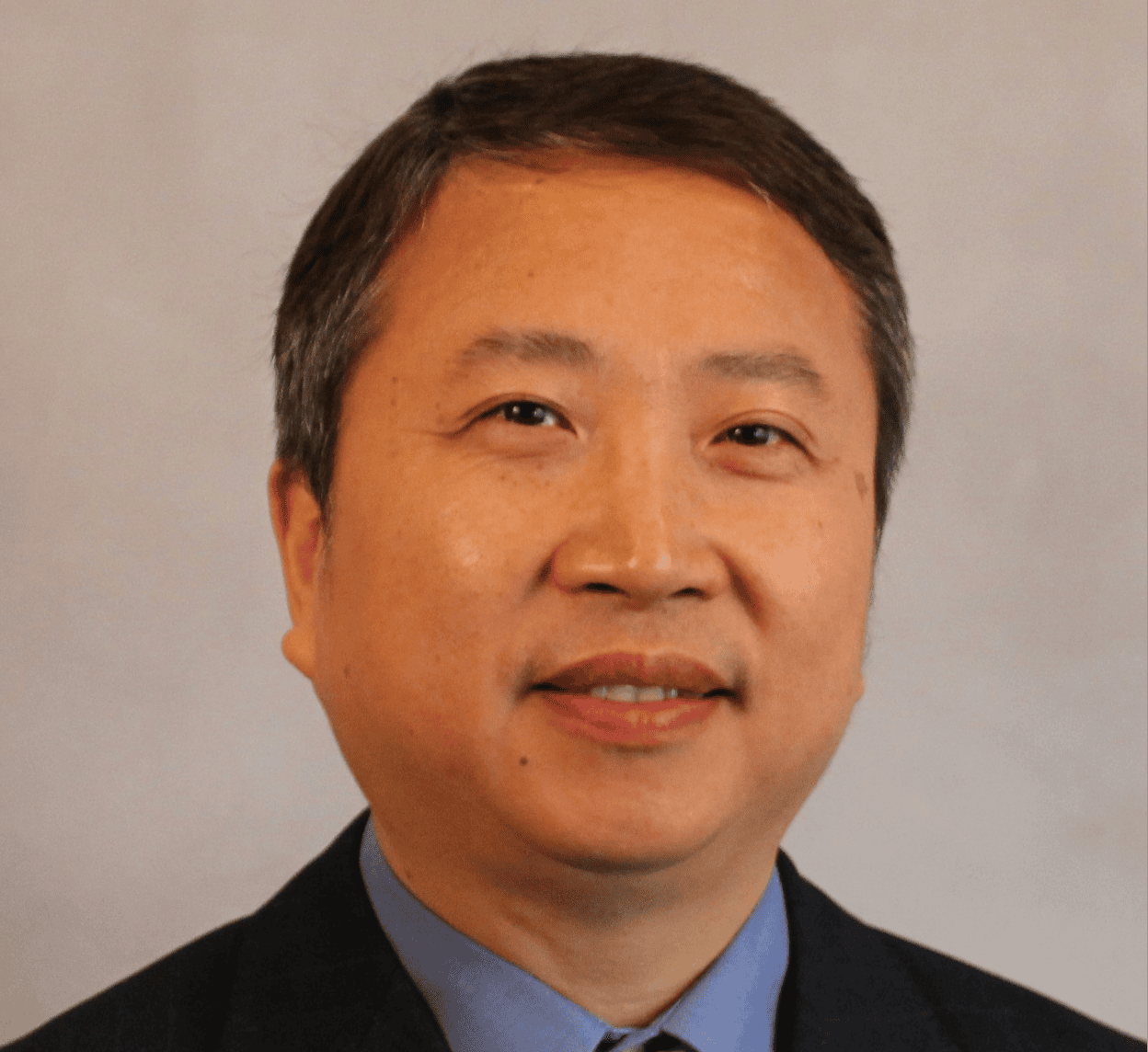
Jeffrey S. Diamond, PhD
Scientific Director, National Institute of Neurological Disorders and Stroke (NINDS), National Institutes of Health (NIH)
March 26, 2026
Talk Title: “Specialized Synapses and Circuitry Mediating Night Vision in the Retina”
Dr. Diamond’s lab seeks to understand how neural circuits receive, compute, encode, and transmit information, and learn what biophysical and morphological features equip synapses, neurons and networks to perform these tasks.
Hosted by Pingyue Pan, PhD (NCB/RWJMS)
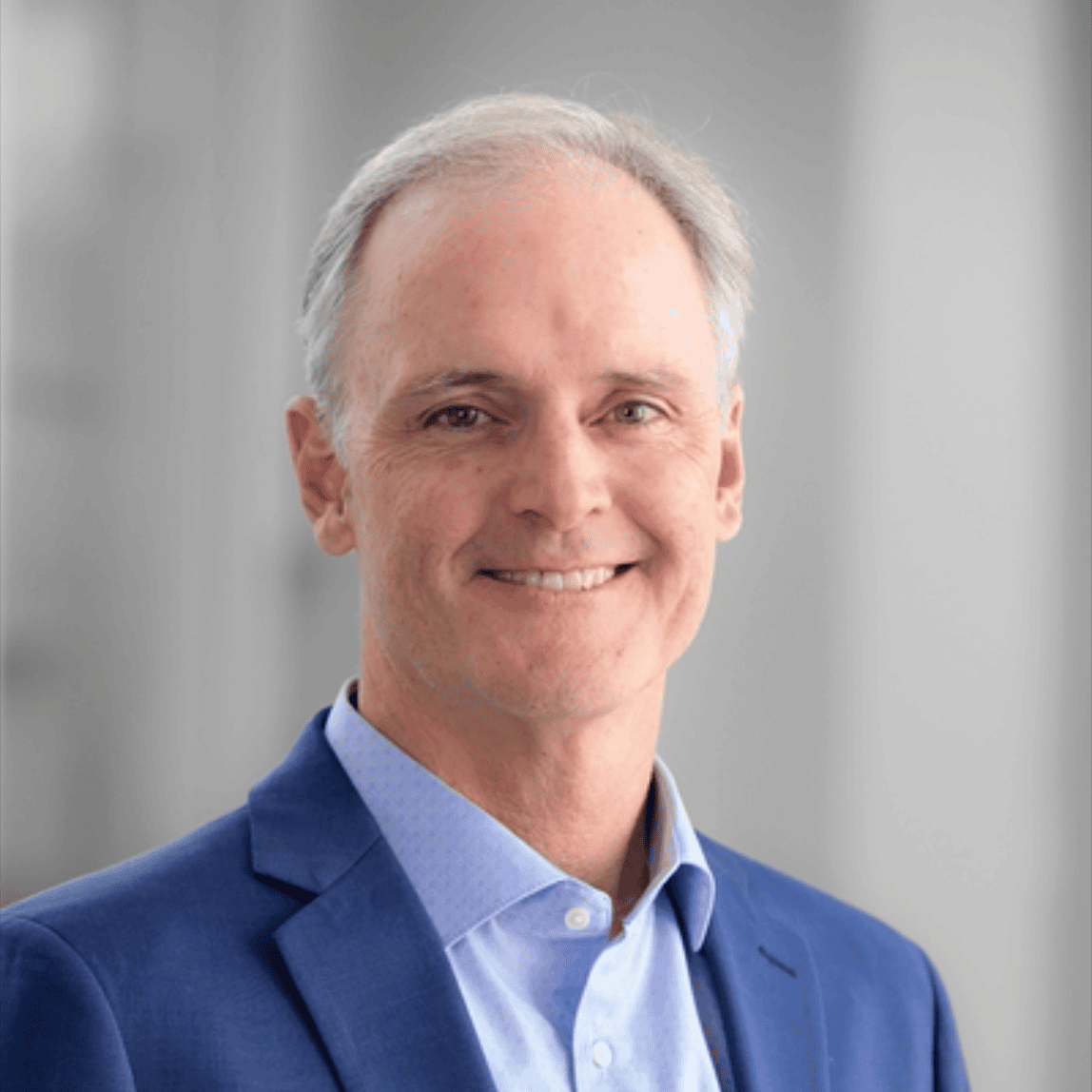
Timothy A. Ryan, PhD
Professor of Biochemistry and Biophysics, Professor of Biochemistry in Anesthesiology, Tri-Institutional Professor, Weill Cornell Medicine
February 19, 2026
Talk Title: “Metabolic Vulnerabilities and Opportunities in Brain Function”
Dr. Ryan’s lab develops and applies quantitative methods to understand the molecular underpinnings of synapse function with a particular emphasis on the control of neurotransmitter release and the recycling of synaptic vesicles.
Hosted by Pingyue Pan, PhD (NCB/RWJMS)