

Keynote Speaker Dr. Sudha Seshadri to Present on Novel Approaches to Preventing and Treating Dementias at the 2026 KKARC Symposium
Dr. Sudha Seshadri, MD, DM, will deliver the keynote lecture, “Novel Approaches to Preventing and Treating Dementias: Opportunities and Challenges”, at the Herbert and Jacqueline Krieger Klein Alzheimer’s Research Center 2026 Symposium on Tuesday, March 24, 2026, at the Busch Student Center, Multipurpose Room A in Piscataway, New Jersey. A renowned behavioral neurologist and neuroepidemiologist, Dr. Seshadri has made groundbreaking contributions to understanding Alzheimer’s disease, related dementias, stroke, vascular brain injury, and cognitive decline. She serves as the Robert R. Barker Distinguished University Professor of Neurology, Psychiatry, and Cellular and Integrative Physiology at the Long School of Medicine at UT Health San Antonio and is the Founding Director of the Glenn Biggs Institute for Alzheimer’s and Neurodegenerative Diseases. Learn More and Register Now
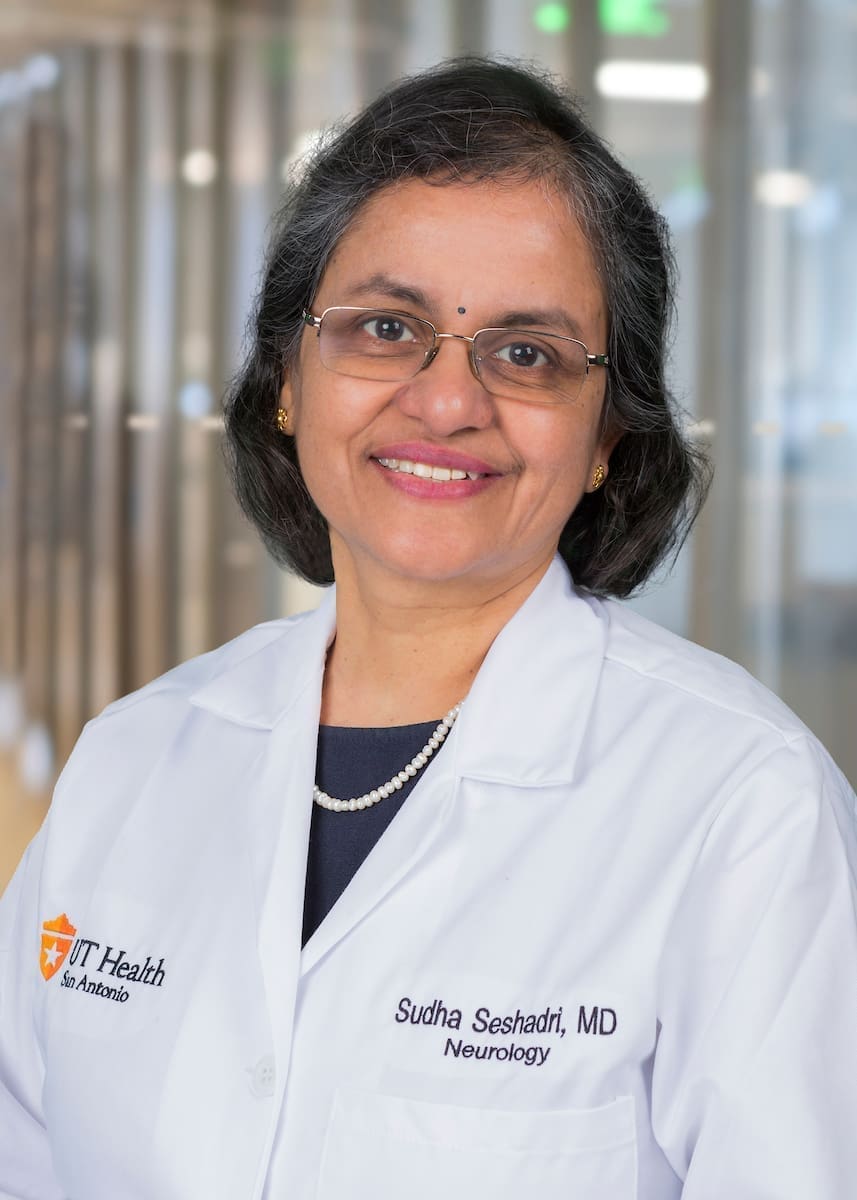
Sudha Seshadri, MD, DM
Dr. Sudha Seshadri, MD, DM, is a renowned behavioral neurologist and neuroepidemiologist whose groundbreaking work has advanced the understanding of Alzheimer’s disease, related dementias, stroke, vascular brain injury, and cognitive decline. As the Robert R. Barker Distinguished University Professor of Neurology, Psychiatry, and Cellular and Integrative Physiology at the Joe R. and Teresa Lozano Long School of Medicine, University of Texas Health Science Center at San Antonio (UT Health San Antonio), she serves as Founding Director of the Glenn Biggs Institute for Alzheimer’s and Neurodegenerative Diseases. She also leads the South Texas Alzheimer’s Disease Research Center (STAC), a National Institute on Aging-designated ADRC; one of 37 nationwide and a Senior Investigator at the Framingham Heart Study. Her research integrates population-based epidemiology, genetics, multi-omics, biomarkers, and clinical trials to uncover mechanisms of brain aging and develop precision prevention and treatment strategies, with a strong emphasis on underserved Hispanic communities.
Early Life and Education
Born in India, Dr. Seshadri’s interest in neurology was shaped early, including personal experiences with family neurological illness. She earned her MBBS from Christian Medical College, Vellore (Madras University), followed by MD in Internal Medicine and DM in Neurology from the All India Institute of Medical Sciences (AIIMS), New Delhi (DM completed in 1992). She pursued additional residency training in neurology at Boston University School of Medicine and fellowships in the Neurobiology of Aging and Neuroepidemiology at the University of Massachusetts Medical Center and the Framingham Heart Study (National Heart, Lung, and Blood Institute). She holds board certification in neurology with subspecialty training in behavioral neurology.
Pioneering Research
Dr. Seshadri’s interdisciplinary work focuses on vascular and neurodegenerative pathways to dementia, early biomarkers (genetic, blood-based, imaging), risk factor epidemiology (e.g., homocysteine, leptin, inflammation), and personalized interventions. At the Framingham Heart Study since 1998, she has led neurology and neurogenetics cores, contributing landmark findings such as plasma homocysteine as a dementia risk marker (NEJM, 2002), low leptin links to dementia (JAMA, 2009), and genetic associations (e.g., NINJ2 for stroke, BIN1 for Alzheimer’s). She established and leads neurology working groups in major international consortia, including Cohorts for Heart and Aging Research in Genomic Epidemiology (CHARGE, since 2007) and the Alzheimer’s Disease Sequencing Project (ADSP, since 2012). She is the PI on all major NINDS initiatives in the area of Vascular Contributions to Cognitive Impairment and Dementia (VCID) initiatives ,markVCID, DISCOVERY, DIVERSE VCID) and RECOVER for COVID-related studies. Her efforts emphasize Hispanic recruitment in ADRCs and global dementia genetics in diverse populations. She runs a memory disorders clinic, leads investigator-initiated and industry trials, and contributes to deprescribing interventions like HomeMED for older adults with cognitive impairment.
Leadership and Mentorship
Dr. Seshadri has mentored over 50 clinician-scientists, including primary mentorship for multiple K-awardees, and views training as central to her legacy. She co-chairs the Texas Council on Alzheimer’s Disease and Related Disorders Steering Committee, serves on executive/steering committees for all ADRCs, Alzheimer’s Association leadership, and external reviews for consortia like Longevity Consortium, LASI-DAD, READD-ADSP, and SANSCOG. She has chaired NIH study sections (e.g., NAME) and serves on editorial boards (Stroke, Alzheimer’s and Dementia). She has delivered plenary talks, including at AAIC 2019 on precision dementia approaches, and is a frequent Grand Rounds/plenary speaker.
Honors and Recognition
Dr. Seshadri’s accolades include election to the Association of American Physicians and Alpha Omega Alpha, the E. Merck Gold Medal in Neurology, Jack Spivack Excellence in Neurosciences Research Award. Her work has garnered extensive media coverage (over 200 features) and high-impact publications of over 700 peer-reviewed, H-index >100, 3 textbooks, 5 monographs and 14 chapters.
Legacy
Dr. Seshadri’s integration of clinical care, research, and community outreach at the Glenn Biggs Institute; combining precision medicine with public health and education – positions South Texas as a leader in Hispanic-focused AD research. Her commitment to reducing disparities, preventing dementia through modifiable factors, and empowering the next generation of scientists and clinicians drives her vision. Her ultimate goal is to transform Alzheimer’s and related disorders into manageable conditions through effective prevention and early intervention.
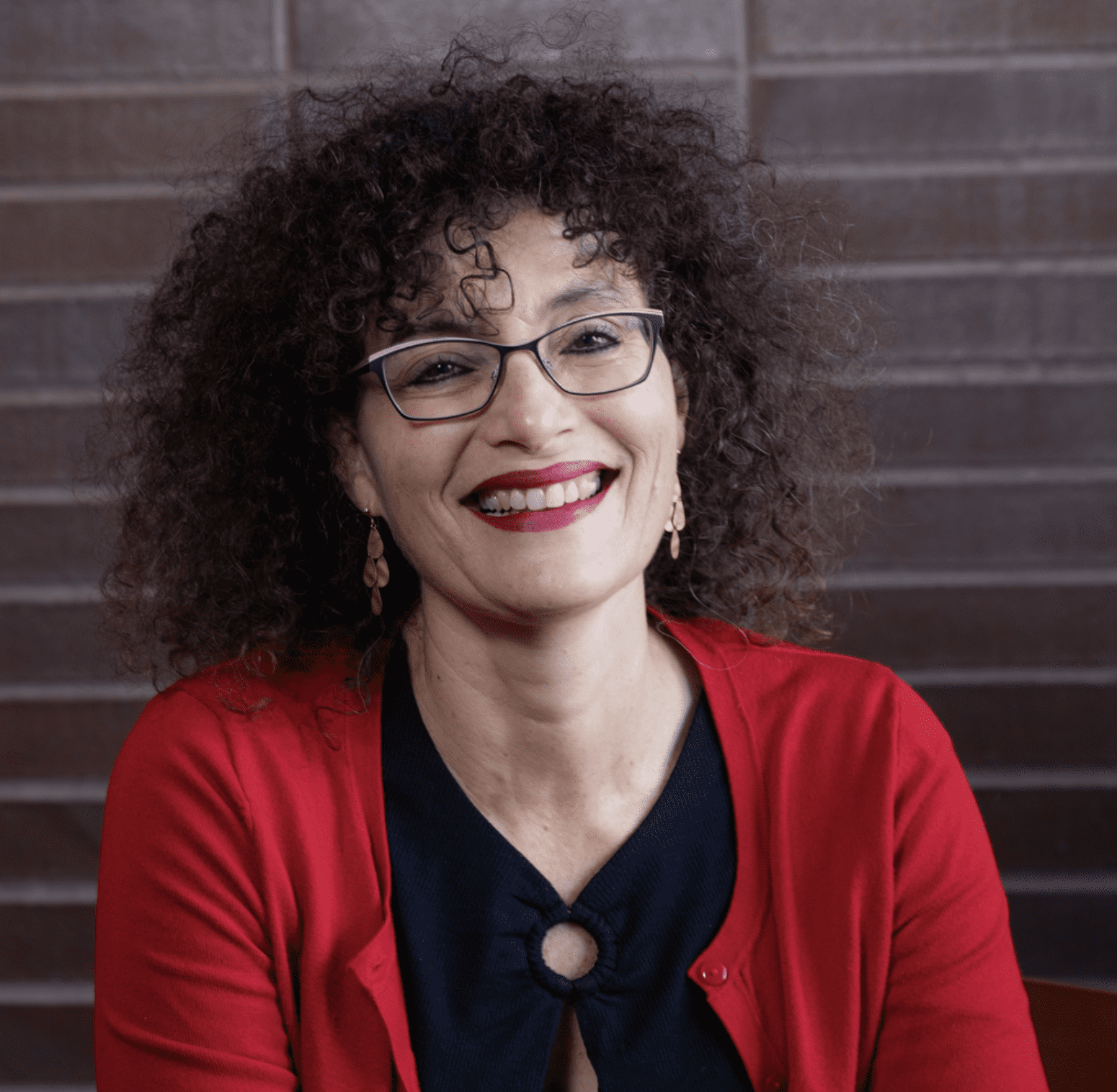
Michal Schnaider Beeri, PhD
Director of the Herbert and Jacqueline Krieger Klein Alzheimer’s Research Center, Brain Health Institute, Rutgers University
As host of this event, Dr. Beeri invited Sudha Seshadri as the keynote speaker because her work has fundamentally advanced our understanding of the epidemiology and genetics of Alzheimer’s disease and related dementias. Among her many contributions are seminal findings from large cohort studies clarifying the role of vascular and genetic risk factors in dementia, which have shaped how the field conceptualizes risk, prevention, and early detection.
Dr. Beeri notes that Dr. Seshadri’s leadership in building large, collaborative cohorts and her commitment to studying diverse populations align closely with the mission and future direction of the Rutgers Alzheimer’s Research Center, as we deeply phenotype unique populations at high risk for dementia and share data and specimens. This type of research is critical for improving early detection, identifying novel treatment targets, and more precisely characterizing subpopulations who may respond differently to preventive and therapeutic interventions.
In her keynote, Dr. Beeri hopes the audience will gain a clearer sense of how advances in large-scale, longitudinal cohorts and genomics are pointing to new, actionable targets for prevention and treatment. For our basic and translational scientists, her talk will highlight emerging biological pathways, risk profiles, and data-driven subtypes of dementia that can inform the development of targeted interventions, more precise trial designs, and biomarker-driven strategies for early detection. More broadly, attendees are expected to come away with a realistic understanding of both the opportunities and the challenges in moving from population-level discoveries to personalized, mechanism-based therapies.
Join Us at the Symposium!
For ADRD-specific initiatives, research opportunities, and ways to support the Krieger Klein Alzheimer’s Research Center, visit here. Your participation and support help accelerate progress toward a future free from the burden of dementia.
Learn more about BHI’s mission and get involved.
